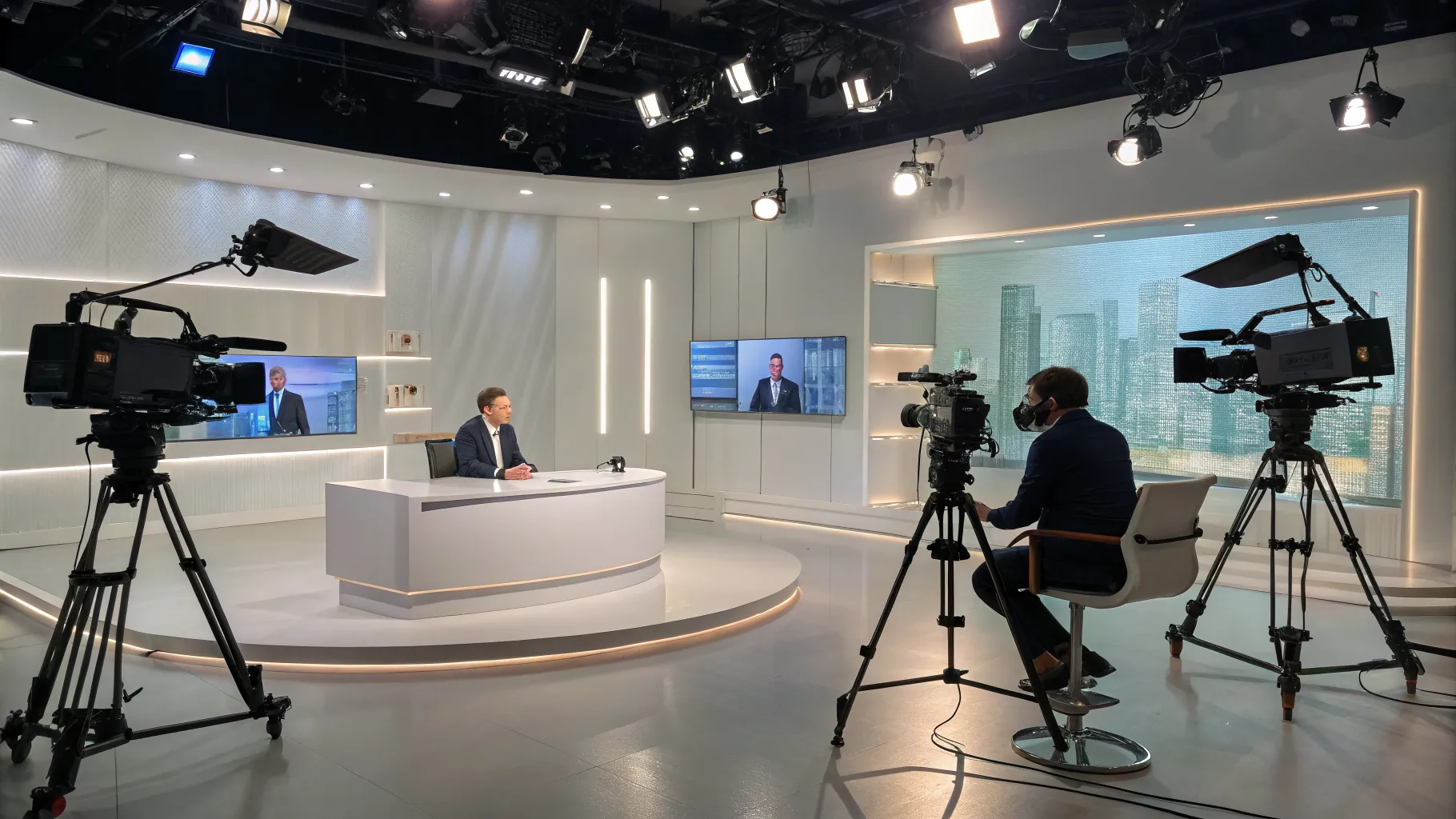
An online talk show is set to walk a fine line: keeping its editorial voice while assisting OpenAI with communications and marketing. The move, discussed this week, signals a new phase in how creators fund operations and collaborate with technology firms, while raising fresh questions about transparency and audience trust.
The arrangement, which has not been publicly detailed in full, would allow the show to continue producing its own coverage and interviews. At the same time, it would provide support to OpenAI’s outreach efforts. The deal highlights the push-and-pull between financial support for media and the need to maintain credibility with viewers.
“The online talk show will reportedly maintain editorial independence but also help with OpenAI comms and marketing.”
Background: Media Funding Meets Tech Partnerships
Independent shows have increasingly turned to sponsors, memberships, and partnerships to stay afloat. Technology companies, flush with attention and capital, have looked to trusted voices to explain new tools and calm public concerns. These ties can bring resources and access, but they also pose risks of perceived bias.
OpenAI, a prominent AI developer, has been under intense scrutiny over safety, competition, and the impact of automation. Any media partnership involving its brand is likely to draw close attention. Audiences want clarity on who pays for what and whether coverage changes as a result.
What Editorial Independence Would Look Like
Editorial independence means the show decides what to cover, who to interview, and how to frame stories without interference. For a hybrid role that includes marketing support, clear firewalls are key. That can include limits on sponsor input, separate staff handling branded work, and visible disclosures on relevant segments.
- Disclose the relationship on-air and in descriptions.
- Label sponsored or co-created content clearly.
- Keep final editorial decisions with the show’s producers.
- Publish a conflict-of-interest policy that viewers can read.
These practices help audiences judge the content on its merits. Without them, even accurate reporting can look compromised.
Stakeholder Views: Credibility Versus Access
Media ethicists often warn that blending journalism with marketing can erode trust if lines blur. Supporters counter that partnerships can expand reporting resources and improve access to key figures, provided that independence is preserved.
For technology companies, a relationship with a respected show can humanize complex topics. It can also speed up responses during news cycles. The risk is that any appearance of steering coverage can backfire, drawing criticism and reducing confidence in both partners.
Viewers are likely to ask whether interviews will include tough questions and whether critical stories will still run. The show’s future choices—guests, tone, and disclosures—will shape the public verdict.
Implications For The Industry
If the partnership proceeds as described, it may become a test case for how creator-led outlets work with major AI firms. Success would look like steady audience trust, transparent labels, and reporting that includes both praise and scrutiny.
Failure could look like softer coverage, fewer critical segments, or confusing messages about what is sponsored. Other shows will watch the outcome closely as they weigh offers from tech sponsors.
Clear standards could also nudge platforms and sponsors to adopt better practices. That might include uniform disclosure tags, separate feeds for branded content, or public audits of sponsored segments.
What To Watch Next
Key signals in the weeks ahead will include how the show explains the deal, how it labels content, and whether its editorial mix changes. Viewers will look for consistent treatment of AI stories, especially those involving risk, competition, labor, and safety.
A transparent policy, published before sponsored work appears, would set expectations. Regular reports on sponsored projects could further reduce doubts.
As AI companies seek broader public understanding, creator partnerships will likely grow. The test for this show is simple: keep the journalism strong and the disclosures plain. If it does both, the audience may accept the balance. If not, the cost will be trust—hard to win and easy to lose.

A seasoned technology executive with a proven record of developing and executing innovative strategies to scale high-growth SaaS platforms and enterprise solutions. As a hands-on CTO and systems architect, he combines technical excellence with visionary leadership to drive organizational success.