OpenAI is expanding into consumer hardware, with more than 200 people working on a family of AI-powered devices that could include a smart speaker, and possibly smart glasses and a smart lamp, according to a report from The Information. The effort signals a push to move its software beyond phones and PCs and into the home and on the body.
The project, described as a multi-device lineup, suggests OpenAI wants to control both the assistant and the hardware that carries it. The timing comes as tech companies race to build new ways to access AI assistants that can talk, see, and act. The company did not comment on the report.
What’s Being Built
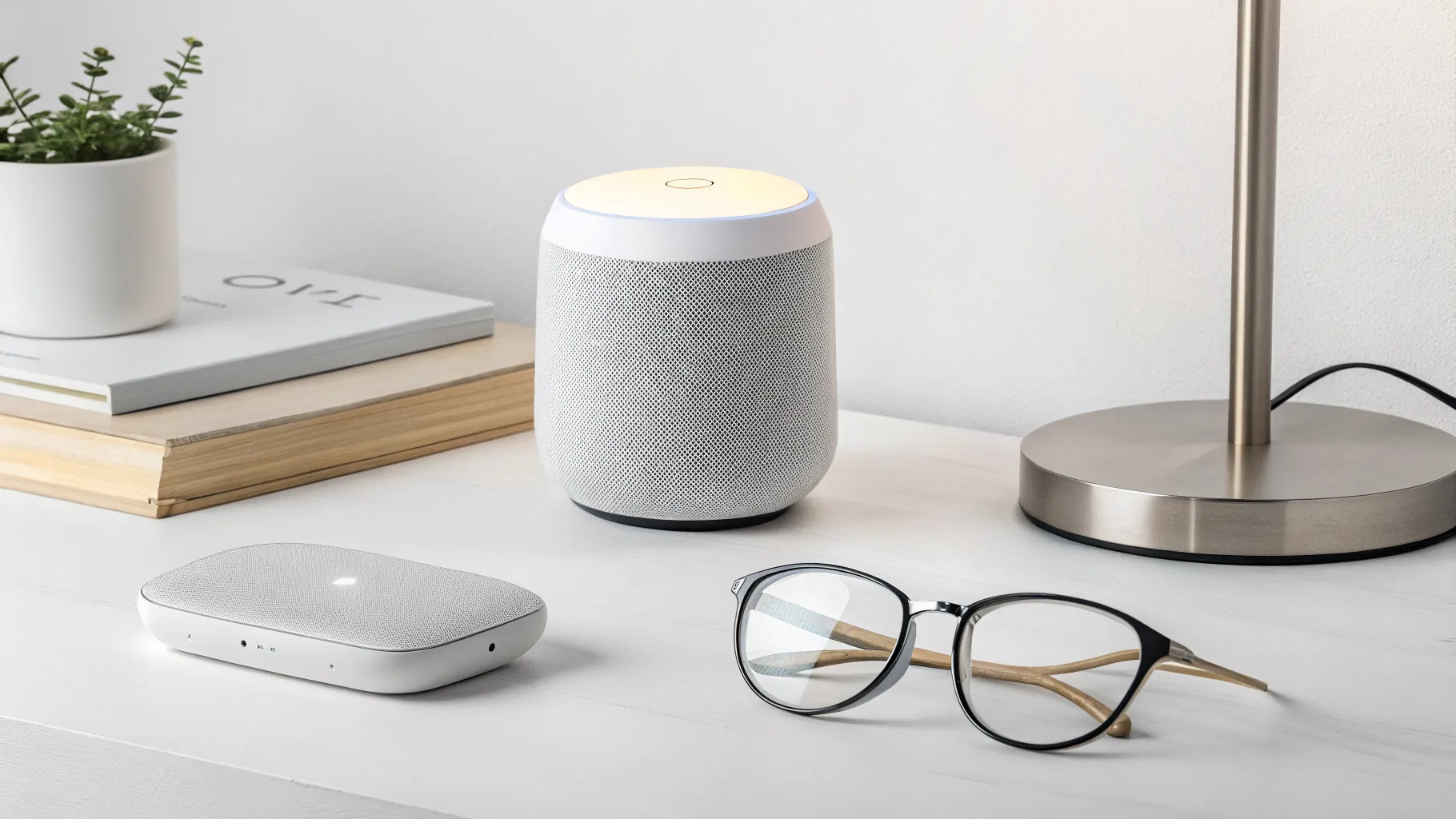
OpenAI has more than 200 people working on a family of AI-powered devices that will include a smart speaker and possibly smart glasses and a smart lamp.
The reported mix spans the living room and personal wearables. A smart speaker would compete with Amazon’s Echo, Google’s Nest, and Apple’s HomePod, but with a stronger focus on conversational AI and reasoning. Smart glasses would aim to bring an assistant into daily routines through voice, vision, and subtle prompts. A smart lamp suggests a home device with microphones, speakers, and sensors placed in a central spot like a desk or nightstand.
None of the devices have been announced, and details on features, pricing, or launch windows remain unclear. The team size points to a serious push rather than a small experiment.
Why Hardware, and Why Now
OpenAI’s software sits inside millions of apps and work tools, but it still depends on other companies’ devices. Building its own hardware could offer tighter control over microphones, cameras, and screens. That control can improve speed, privacy safeguards, and new interaction styles that are hard to ship on third-party platforms.
Rivals offer lessons. Amazon popularized home voice assistants with the Echo, then faced slowing growth and cost pressures. Apple kept its device focus but lagged on assistant quality. New entrants like Humane’s AI Pin and Rabbit’s device drew interest but struggled with reliability and clarity of purpose. The pattern shows a tough market where strong software alone is not enough.
Design, Privacy, and Supply Chain Hurdles
Consumer hardware is hard. It requires world-class design, manufacturing partnerships, retail planning, and years of support. Even large companies have stumbled. A successful launch must balance utility, price, and day-one reliability.
- Privacy: Always-on mics and cameras raise trust questions; clear on-device processing and controls will be key.
- Battery and comfort: Wearables demand light, cool, and discreet designs that last a day or more.
- Voice and vision: Real-time understanding has to work in noisy rooms and varied lighting.
- Support and updates: Devices need long software support to earn repeat buyers.
OpenAI will also need to align hardware capabilities with its AI models so responses are fast and context-aware. On-device acceleration and smart handoffs to the cloud may be essential to cut latency and costs.
What an OpenAI Device Could Do
A smart speaker built around a conversational agent could handle tasks that go beyond timers and music. It could organize calendars, draft messages by voice, summarize long documents, or help with homework while citing sources. Smart glasses could offer live translation, step-by-step instructions while cooking or repairing, and scene-aware coaching. A lamp could double as a home hub with directional audio and depth sensors for better voice pickup.
Analysts say the winning feature set must be clear on day one. Convenience and reliability will matter more than flashy demos. A device that saves time every day has a better chance than one that only shows off AI tricks.
Industry Impact and What to Watch
If OpenAI ships hardware, it could pressure platform owners who now mediate access to users. It might also set new norms for how assistants handle sensitive data at home and in public. Partnerships with component makers and carriers could follow, depending on whether the devices need connectivity on the go.
Key signals to watch include senior hardware hires, regulatory filings, and developer tools that hint at on-device features. Retail trials and limited beta programs would suggest a product is nearing launch. Competitors may respond with upgraded assistants or new bundles to keep users in their ecosystems.
OpenAI’s move into devices, if confirmed, marks a high-stakes test of whether advanced AI can find a daily role beyond screens. The winners will be those who pair helpful software with reliable, trusted hardware. The next phase will turn on execution: clear use cases, strong privacy choices, and products that work right out of the box.

Deanna Ritchie is a managing editor at DevX. She has a degree in English Literature. She has written 2000+ articles on getting out of debt and mastering your finances. She has edited over 60,000 articles in her life. She has a passion for helping writers inspire others through their words. Deanna has also been an editor at Entrepreneur Magazine and ReadWrite.