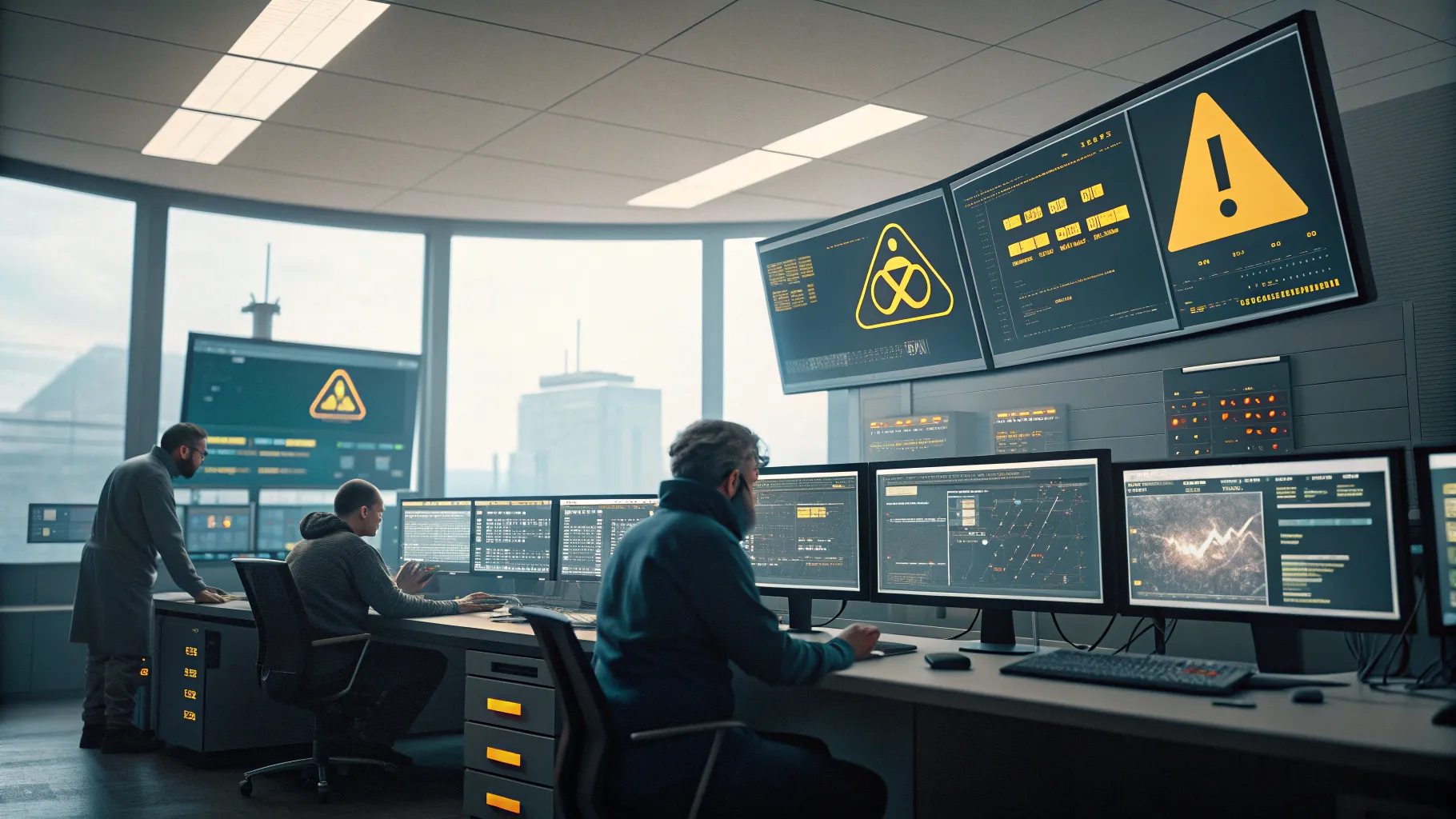
A recent service outage has renewed debate over how companies detect, explain, and recover from failures, with some leaders pointing to generative AI as the next step. The incident, which disrupted normal operations and triggered a scramble to respond, surfaced a clear lesson on preparedness and tooling.
At the heart of the conversation is where to invest next. One engineering leader framed it this way:
“In this recent outage there’s a pointer to where we should be looking proactively to apply this lesson: generative AI.”
The statement reflects a broader push among technology teams to use AI to help sift logs, summarize alerts, and guide responders when minutes matter. It also captures a shift from reactive fixes to proactive prevention.
Why This Moment Matters
Service interruptions are not rare. Industry surveys show that major outages remain costly, often reaching six figures in direct and indirect losses. As systems grow more complex, identifying the root cause can take hours, sometimes longer. That delay fuels customer frustration and widens financial damage.
Teams have tools for monitoring, tracing, and alerting. Yet the crush of data during an incident can overwhelm even seasoned engineers. This is where generative AI is being tested. It can summarize long error trails, group related alerts, propose likely causes, and draft status updates for incident rooms and customers.
What Generative AI Could Change
Supporters argue that large language models can act as an assistant during stressful events. They can read logs at speed, compare current signals to past incidents, and suggest next steps. They can also flag gaps in runbooks or missing observability signals.
Teams exploring this approach describe a few high-potential uses:
- Incident triage: Grouping noisy alerts into a single, actionable story.
- Root cause hints: Ranking likely failure points from logs, traces, and configs.
- Runbook guidance: Suggesting verified steps and playbooks based on context.
- Customer comms: Drafting clear, consistent updates while engineers focus on fixes.
Advocates say these aids can shorten time to detection and time to resolution, two metrics that often define the impact of an outage.
Concerns, Limits, and Guardrails
Engineers also warn that AI outputs can be incorrect or overly confident. During an outage, a misleading suggestion can waste time or divert a response. That risk has prompted calls for strict guardrails and human review.
Security and privacy are key questions. Outage data often contains sensitive details about infrastructure and customer behavior. Companies testing AI tools say they are limiting data exposure, using private models where possible, and logging every AI suggestion for audit.
There is also the issue of accountability. Teams want clear lines of responsibility. AI can assist, but humans must make the final call on changes and public statements.
How Teams Are Preparing
Organizations that are moving ahead describe a phased plan. They start with low-risk uses, such as summarizing alerts and system status. They then add guided runbooks and pattern-matching for historical incidents. Only later do they allow AI to propose commands for review.
Several practices are emerging as common sense:
- Keep models on a short leash with read-only access at first.
- Pair AI summaries with links to raw evidence.
- Build red-team drills to test failure modes and prompt designs.
- Measure impact on detection and resolution times, not just novelty.
The Industry View
Operations leaders see a window to translate hard lessons into durable change. The recent outage adds urgency. It showed how fast small misconfigurations can cascade and how hard it is to communicate under pressure.
Many believe that generative AI will not replace incident commanders or reliability engineers. Instead, it will serve as a fast reader, a careful note-taker, and an extra pair of eyes on noisy systems. As one manager put it, teams need help “making sense of chaos in real time.”
The takeaway is clear. Outages will happen, but their impact can be reduced. Generative AI, used with care, could compress the time between first alert and clear action. Companies that pilot these tools with strong guardrails may see faster recoveries and more consistent communications. The next test will come with the next incident. The question is whether teams will have the AI assistants ready—and whether those assistants will make the right call when it counts.

Kirstie a technology news reporter at DevX. She reports on emerging technologies and startups waiting to skyrocket.