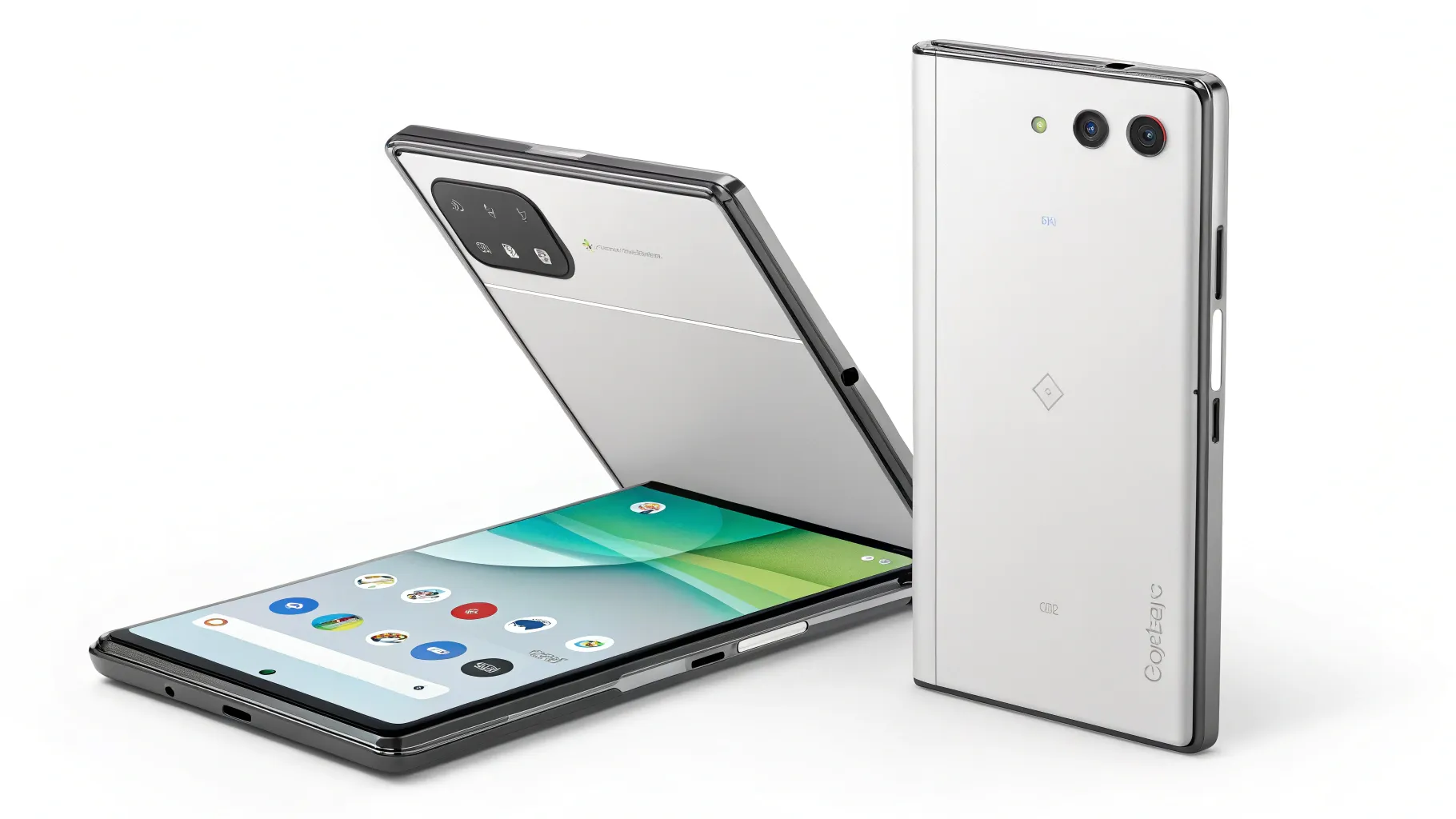
Google’s latest foldable aims at durability first, adding a tighter hinge, an IP68 rating, a bigger battery, and a brighter display. Yet a weaker camera system than the Pixel 10 Pro raises questions about the device’s “Pro” name and its appeal to mobile photographers. The updates signal a push to make foldables feel sturdier and more practical, while the camera trade-off sets up a choice many buyers will weigh.
Google’s Pixel 10 Pro Fold improves durability with a tighter hinge, IP68 rating, a bigger battery, and brighter display, but its weaker camera system compared to the Pixel 10 Pro muddies its “Pro” branding.
Why Durability Defines This Launch
Foldable phones have often battled concerns about hinge wear, dust intrusion, and water damage. Early models from across the industry faced short lifespans or required careful handling. Over time, makers have focused on stronger hinge designs, better seals, and tougher cover materials to build trust.
Against that backdrop, a tighter hinge and IP68 protection stand out. IP68 indicates resistance to dust and water immersion under set conditions. That is a major reassurance for any device with moving parts. For buyers who avoided earlier foldables due to fragility, these changes may shift the equation.
Design and Hardware Upgrades
The device’s priorities are clear: keep the folding mechanism steady, keep debris out, and keep the screen visible in more lighting conditions. A brighter display helps usability outdoors and on the go. A bigger battery addresses one of the most common complaints about foldables—shorter time between charges.
- Tighter hinge for improved feel and alignment
- IP68 rating for dust and water resistance
- Bigger battery for longer runtime
- Brighter display for better visibility
Together, these upgrades target daily convenience. Fewer hinge gaps can reduce particles getting inside. A brighter screen can maintain clarity in direct sun. A larger battery supports the bigger canvas that foldables provide for multitasking and media.
The Camera Trade-Off and the “Pro” Question
The headline improvement comes with a catch. The phone’s camera system is described as weaker than the Pixel 10 Pro. That puts pressure on the “Pro” label, which often signals top-tier photography.
For many buyers, the “Pro” name implies the best lens array, the best sensors, and the best processing. If the foldable trails the standard model on image quality, the brand promise gets muddy. Shoppers may ask why a premium foldable would compromise on a core feature, even as it strengthens durability.
This trade-off mirrors a common split in foldables: they offer a larger flexible canvas and unique use cases, while traditional slabs keep the best cameras. It is a strategic choice that may please some users and frustrate others.
What It Means for Shoppers and the Market
The updates suggest Google is positioning the Pixel 10 Pro Fold as a daily driver rather than a fragile showpiece. For users who prioritize sturdiness and utility, the changes address long-standing pain points.
However, mobile photographers who value top image quality may lean to the Pixel 10 Pro instead. The decision now centers on use case: flexible screen and improved durability, or the best camera package in the line.
If buyers reward the focus on hinge strength, water resistance, and battery life, more foldables could follow this path. If camera performance remains the deciding factor in premium phones, makers may face pressure to close the gap without adding bulk or heat.
What to Watch Next
Three questions will shape the phone’s reception:
- Do hinge and IP gains reduce repair rates and raise buyer confidence?
- Is the brighter display and bigger battery enough to offset camera gaps?
- How will “Pro” branding evolve if top cameras stay on non-foldables?
The answers will influence how the company refines its foldable line. They will also guide how rivals balance durability and camera performance in future models.
In sum, the Pixel 10 Pro Fold leans into strength, protection, and endurance. The camera trade-off, though, complicates its place at the top of the range. Buyers will choose between a tougher foldable experience and the best still-photo results. The next cycle will show whether durability or imaging carries more weight in premium phones—and whether “Pro” should mean the same thing on every device.

Kirstie a technology news reporter at DevX. She reports on emerging technologies and startups waiting to skyrocket.