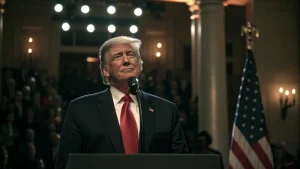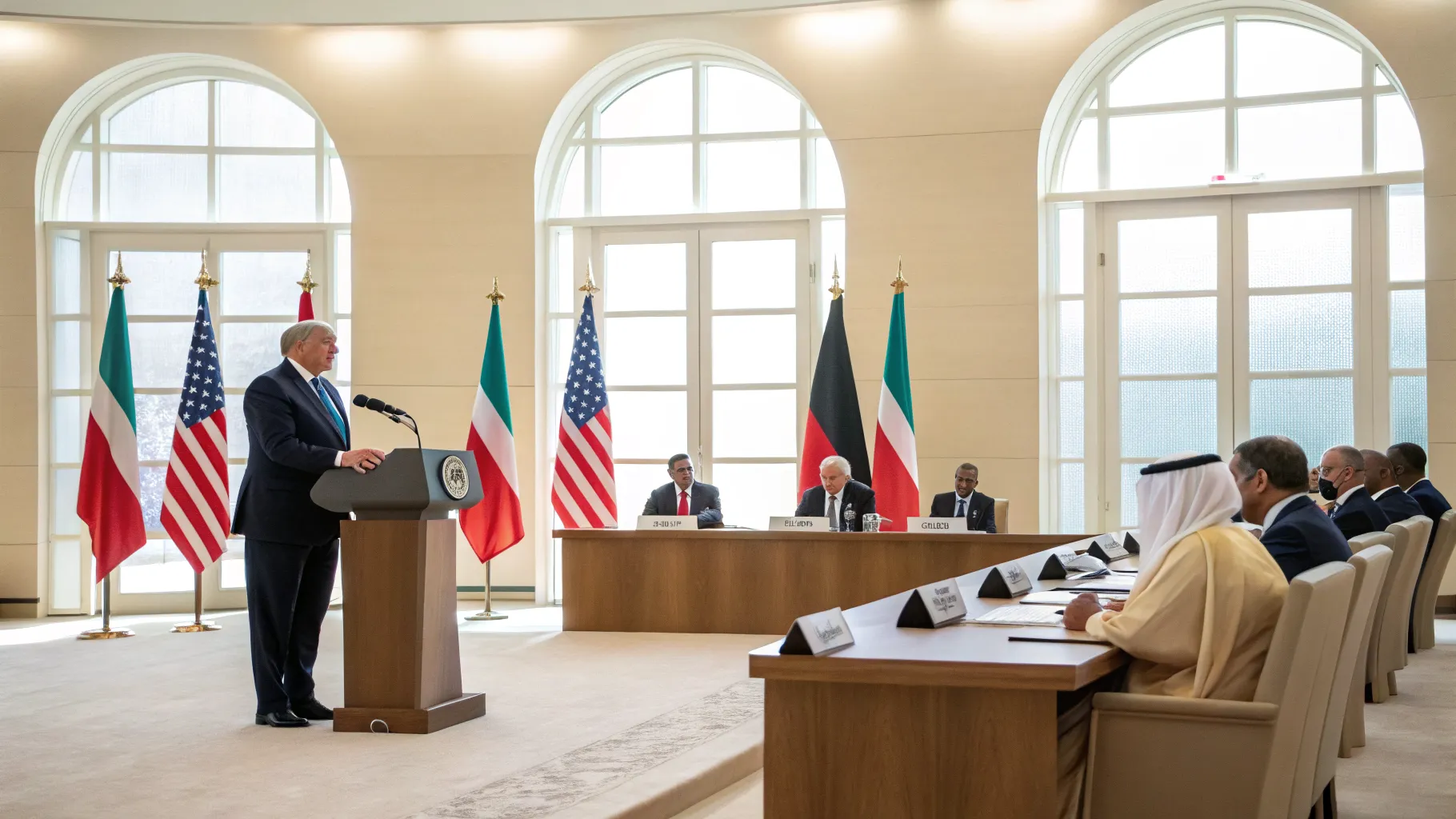
The President issued a sharp warning to allied governments after they hesitated to join a mission to help reopen the Strait of Hormuz, raising tension inside the security coalition. The remarks signal rising pressure on partners as commercial traffic faces risk in one of the world’s most important sea lanes. The dispute puts energy markets, maritime safety, and alliance unity in the spotlight.
Why the Strait of Hormuz Matters
The Strait of Hormuz is the narrow gateway between the Persian Gulf and the Gulf of Oman. It carries a major share of global seaborne oil and liquefied natural gas. Energy analysts estimate that roughly a fifth of the world’s oil trade moves through this chokepoint.
Past flare-ups have shown how fragile traffic can be. During the 1980s “Tanker War,” vessels were attacked and insured at higher premiums. In 2011–2012, threats to shipping drove price spikes. In 2019, attacks on tankers and the downing of a drone triggered new naval patrols. Each episode raised costs and risk for carriers, insurers, and importers.
When the route is disrupted, producers try to reroute cargoes through pipelines. Some Gulf states can move several million barrels per day across land. But those channels cannot fully replace the sea link, and shippers still face delays and higher freight rates.
The President’s Warning
“The President’s comments are the latest threat to America’s allies after their reluctance to help reopen the Strait of Hormuz.”
The message, described by aides as firm, reflects frustration over the pace of allied commitments. Officials argue that a joint presence is needed to deter attacks and clear lanes for commercial vessels. The tone suggests Washington wants faster decisions on ships, surveillance assets, and rules for convoy operations.
Supporters of the warning say a united signal would steady markets and reduce the chance of miscalculation at sea. Critics worry that public threats could strain ties with partners who need legislative approval or face domestic opposition to deployments.
Why Some Allies Are Hesitant
Several governments face legal and political hurdles before sending naval forces abroad. Parliamentary debates can be lengthy. Budgets are tight, and ships may be in maintenance or already tasked elsewhere. Some leaders also fear that a show of force could draw them into a wider clash with Iran or proxy groups.
European capitals often prefer a mandate through the United Nations or a distinct flag for maritime security missions. That approach can take time, but it gives legal cover and public backing. Others push for quiet de-escalation, more escorts by regional states, and stronger coordination with shipping insurers.
Energy Markets and Shipping Risks
Disruptions in the strait have an immediate effect on prices. Traders price in higher risk, while shippers pay more for insurance and rerouting. Even brief delays can ripple through refineries, petrochemical plants, and power producers far from the Gulf.
Industry groups warn that a longer shutdown would hit importers in Asia and Europe first. Strategic stockpiles can cushion short shocks. But reserve releases are not a long-term fix, and rebuilding inventories takes time.
Port agents report that some operators slow-steam, sail in convoys, or wait for escorts when threats rise. These steps add costs but lower the chance of incidents.
Options on the Table
Officials are weighing military, diplomatic, and economic steps. None are risk-free. A mix of measures may be needed to stabilize traffic while keeping channels open for talks.
- Coordinated naval escorts with clear rules of engagement.
- Expanded surveillance and information sharing for shippers.
- Back-channel contacts to reduce incidents and misreads at sea.
- Targeted sanctions on groups that threaten vessels.
- Limited UN action to give legal cover for a maritime task force.
What To Watch Next
Allied defense ministers are expected to meet again to map contributions and timing. Energy officials are tracking stockpile levels, insurance rates, and freight costs for very large crude carriers. Any rise in drone or mine activity would likely force quicker decisions on escorts.
The stakes are high. A coordinated plan could calm markets and lower the chance of confrontation. A split could embolden spoilers and drag out the disruption. The warning from Washington has put partners on the clock, but durable security will also require patient diplomacy.
For now, shippers want clarity, insurers want lower risk, and consumers want steady prices. The next week will show whether allies can agree on a shared approach that keeps trade moving while avoiding a larger fight.

A seasoned technology executive with a proven record of developing and executing innovative strategies to scale high-growth SaaS platforms and enterprise solutions. As a hands-on CTO and systems architect, he combines technical excellence with visionary leadership to drive organizational success.