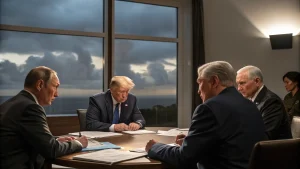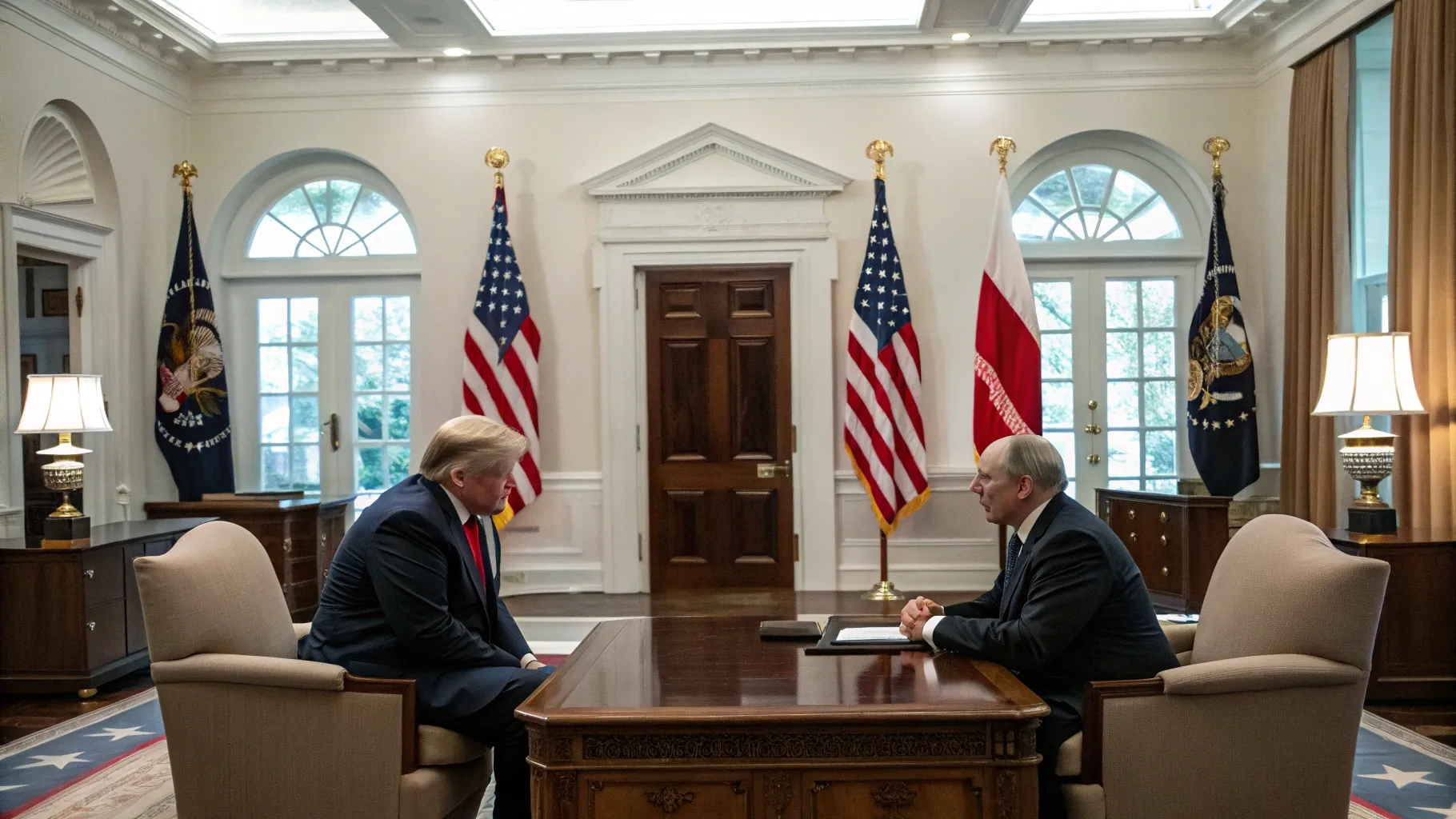
The president’s friendly meeting with a prominent democratic socialist has set off a wave of speculation in Washington. The gathering, held this week in the capital, raised questions about strategy, policy, and election-year math. Allies saw a coalition-building effort. Critics warned of political risk. The motives remain unclear, but the stakes are high as both wings of the party vie for influence.
Why It Matters Now
With national campaigns nearing full swing, leaders on the left and center are testing how far they can work together. Progressive ideas, once fringe in national politics, now shape debates on health care, housing, climate, and wages. Some advisers believe a warmer posture toward the left can rally young voters and workers who feel overlooked. Others worry it could alienate moderates and independents in key states.
One observer summed up the mood, captured in a remark that has echoed among staff and supporters alike:
“Why was the president so pleased to hang with the democratic socialist? Perhaps we’ll never know.”
That ambiguity has sparked more questions than answers. Was this a show of unity, a policy negotiation, or both?
Coalition Politics and Policy Bargaining
People familiar with party negotiations say these meetings often serve dual purposes. They can calm internal tensions and set the stage for policy deals. Bringing progressive lawmakers into the fold may help move bills on drug prices, climate spending, and worker protections. It can also reduce the risk of public feuds that dampen turnout.
Progressives have pressed for stronger labor standards, affordable housing, and student debt relief. Centrists focus on fiscal restraint and bipartisan appeal. Both sides claim to speak for voters who feel squeezed by high costs and uneven growth.
- Progressives want stronger action on wages, housing, and debt relief.
- Moderates seek control of costs and wider voter appeal.
- Leaders aim to avoid open splits that harm turnout.
The Optics: Energize the Base or Risk a Backlash?
Public images matter. A cordial exchange between the president and a democratic socialist can energize activists and union members who want proof their issues are heard. It can also hand opponents a line of attack about the party’s direction. Republicans are likely to frame the meeting as proof of a leftward tilt. Swing voters may see the moment as either outreach or overreach, depending on local concerns.
Recent cycles show that turnout efforts require enthusiasm from both wings. Large rallies and grassroots organizing often rely on progressive networks. But tight races are won through moderate suburbs and independent voters. The balance is delicate.
What Each Side Wants
For progressives, visible access brings leverage. It signals that leadership needs their votes on close bills. It also offers a chance to shape the agenda on labor rights and cost-of-living relief. For the White House, a smoother relationship can reduce friction that slows legislation. It can also avoid public splits that dominate headlines.
Strategists point out that both sides need credible wins. Lower drug prices, new factory jobs tied to clean energy, and safer workplaces are popular across groups. The challenge is sequencing and scale. How fast can policies move without sparking a deficit fight or a donor revolt?
What History Suggests
Presidents have long courted party factions when margins are thin. Past administrations held quiet talks with ideological rivals to secure votes on budget deals and key nominations. The pattern is simple: meet, trade priorities, and keep disagreements private. The current moment follows that script.
Even so, the message is sensitive. Appear too close to the left and risk centrist blowback. Appear too distant and risk apathy on the ground. The choice is to show respect to each camp without locking into rigid promises.
What Comes Next
Watch for concrete signs in the weeks ahead. A joint statement on labor or housing would signal progress. A new push on drug pricing or debt relief would show policy traction. Silence, by contrast, would suggest the meeting was more optics than dealmaking.
For now, the core question remains open. The president gained headlines and stirred debate inside the party. Whether that translates into policy gains or election momentum will depend on follow-through. If tangible measures emerge soon, the visit will look strategic. If not, the moment may be remembered for the photo—and the mystery that came with it.

Kirstie a technology news reporter at DevX. She reports on emerging technologies and startups waiting to skyrocket.