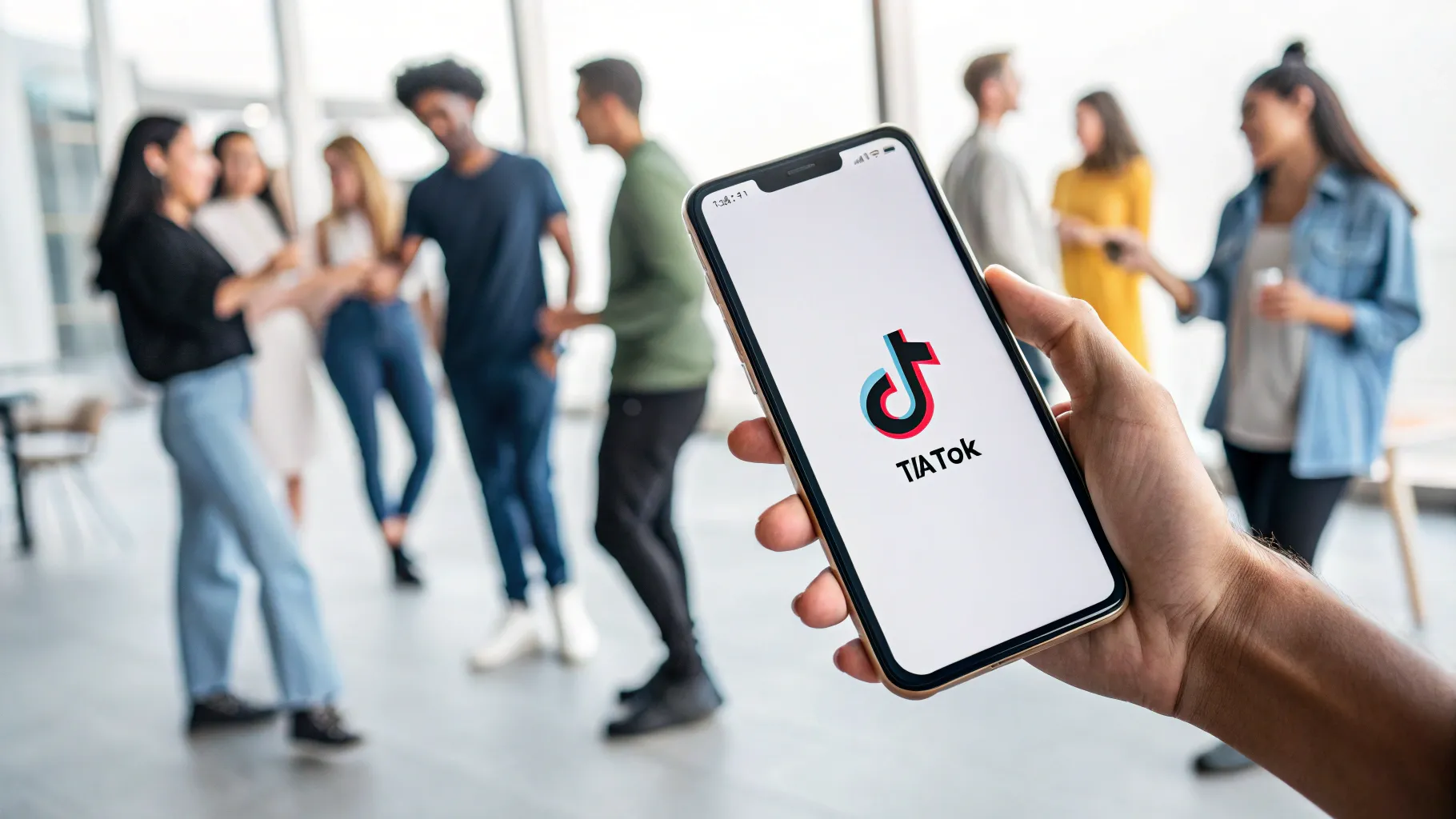
A simple question is echoing across social media and public life: who will return to TikTok, and when. The prompt is timely as creators, brands, and public figures weigh the platform’s reach against growing regulatory scrutiny and changing business models. The tension reflects a broader debate about audience, safety, and policy that is reshaping online strategy.
“Are you getting back on TikTok?”
The question captures a larger shift in how people communicate and build influence. TikTok’s short videos shaped trends, news cycles, and commerce. At the same time, lawmakers, regulators, and platform rivals have been challenging its growth. Many now face a practical choice: sit out, move to other apps, or re-engage with a plan.
Background: A Platform Under Pressure
TikTok has drawn large global audiences, commonly estimated at more than a billion users, and helped launch careers. Its algorithm rewards quick, engaging clips that can spread widely, giving smaller accounts a chance to break through. That promise is why many consider returning.
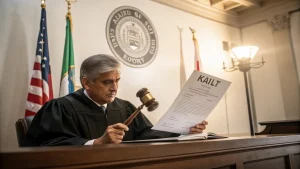
But the platform has faced legal and political pressure. In the United States, several states restricted the app on government devices, citing data and security risks. Federal lawmakers held hearings on user data, content moderation, and the ownership structure tied to China. Court fights followed in places that attempted outright bans. These actions created uncertainty for creators and advertisers who rely on stability.
Brands also watched shifting policies on music licensing, advertising rules, and monetization tools. Rival platforms, including YouTube Shorts, Instagram Reels, and Snapchat Spotlight, have offered alternatives and incentive programs. The result is a fragmented market where no single choice is risk-free.
Why the Question Matters
For many, the decision to return is a business call. TikTok still offers scale, a unique culture, and discovery that can be hard to match elsewhere. Musicians, journalists, local businesses, and nonprofits have used it to reach new audiences, raise funds, or explain complex topics in simple ways.
Yet the uncertainty is real. A return can build visibility but also invites scrutiny from regulators, advocacy groups, and critics who worry about data handling and content standards. Those concerns can affect brand partnerships and ad buys.
The single question seen above reflects this balancing act. It signals a public expectation that prominent voices will be present on the app, while acknowledging that the ground rules are shifting.
Risks and Rewards for Creators and Brands
Creators describe three main pressures: algorithm volatility, monetization reliability, and policy risk. Campaign results can swing quickly if the recommendation system changes. Revenue tied to creator funds or ad splits may not match earnings on other platforms. Policy shifts could disrupt access or features with little warning.
- Audience reach can surge quickly, but may be hard to sustain.
- Monetization options vary by region, format, and music usage.
- Data and security debates can affect sponsorships.
- Cross-posting to Shorts and Reels spreads risk.
- Clear disclosure and brand-safety steps build trust.
For advertisers, TikTok’s creative culture remains a draw. Short, native-style ads often outperform polished spots, especially among younger viewers. Still, many brands now demand stronger controls, detailed reporting, and contingency plans if policy action disrupts campaigns.
Policy and Industry Outlook
Legal debates over data access and corporate structure are likely to continue. Even without a nationwide ban, tighter rules on government devices and public-sector networks signal caution. Trade tensions and privacy laws could drive new compliance requirements for the app and its partners.
Industry analysts expect a multi-platform approach to remain the norm. Creators diversify to protect income and audience reach. Media organizations test new formats, while schools and public agencies study media literacy to help people evaluate what they see on social video.
Platforms will compete on creator payouts, music rights, and editing tools. Users will benefit from choice, but they may face more prompts to verify age, consent to tracking limits, or accept data controls.
What Comes Next
Decisions about returning to TikTok will hinge on clarity from regulators and consistent tools for creators. If legal pressure eases and monetization improves, more returns are likely. If rules tighten, the shift to competing short-video apps could accelerate.
For now, the question stands as a sign of the moment. The pull of a vast audience remains strong, but trust, policy, and stability matter more than ever.
The near-term watch list includes possible court rulings, policy announcements, and changes to creator payouts. Those developments will guide whether the next wave of public figures answers yes when asked if they are getting back on TikTok.

A seasoned technology executive with a proven record of developing and executing innovative strategies to scale high-growth SaaS platforms and enterprise solutions. As a hands-on CTO and systems architect, he combines technical excellence with visionary leadership to drive organizational success.