The recent rainfall in Morocco has brought relief to many regions and increased dam levels across the country. According to official data, dam filling rates have improved from 26% last year to approximately 35% today. However, this improvement falls significantly short of the 68% filling rate recorded in 2018, indicating that Morocco’s water crisis is far from resolved.
The heaviest rainfall has been concentrated in northern regions that were not suffering from severe water shortages. These areas received the most water, causing some small dams to overflow. While central and southern regions have also received rainfall, these areas continue to face challenges.
The water table in these regions is still deep because it was heavily depleted and will take more time to recover. Mohammed-Said Karrouk, professor of climatology at Hassan II University of Casablanca, explained that Morocco has always been a drought-prone country. He criticized the prevailing policy that remains focused on production and export, stating, “Water is a factor of administrative, political, and social stability as well as environmental, political, and food security.
Those who were using this water to maintain power will not give up this power.”
Abdelhakim El Filali, water and environmental expert and professor at Sultan Moulay Slimane University in Beni Mellal, warned against complacency.
Morocco’s ongoing water management issues
He highlighted that historical evidence confirms that the Mediterranean region is marked by alternating dry and wet years, which necessitates rethinking how we deal with water resources from a scarcity perspective rather than an abundance perspective.
El Filali pointed to unsustainable water usage as a major factor in the crisis. He disclosed that 91% of wells are unlicensed, pointing to the widespread non-compliance with Water Law 36.15. He called for conserving water consumption, reviewing water and agricultural policies, and enforcing laws regarding water consumption.
Anas Mansouri, a researcher in arid zone farming, commented that the rainfall is part of a wider system of climatic variations influenced by Atlantic and Mediterranean disturbances. He added that the improvement in rainfall has been particularly marked in the North, Rif, Gharb, and Middle Atlas regions, where precipitation has partially recharged the water table and improved soil moistening. However, Mansouri noted that the rainfall recorded so far has not yet reached the threshold needed to bring an end to the country’s structural drought.
He emphasized the need for Morocco to adopt more effective adaptation strategies, such as improving water management, promoting water-saving irrigation techniques, and developing desalination infrastructures in the most vulnerable areas. The recent rainfall has given Moroccan farmers renewed optimism after a prolonged drought compromised this year’s harvest. While the rain may have a limited impact on grains, spring crops are expected to benefit greatly from the much-needed water.
The improved pasture conditions have also provided relief to livestock farmers, particularly sheep owners, who were facing sluggish activity this year.
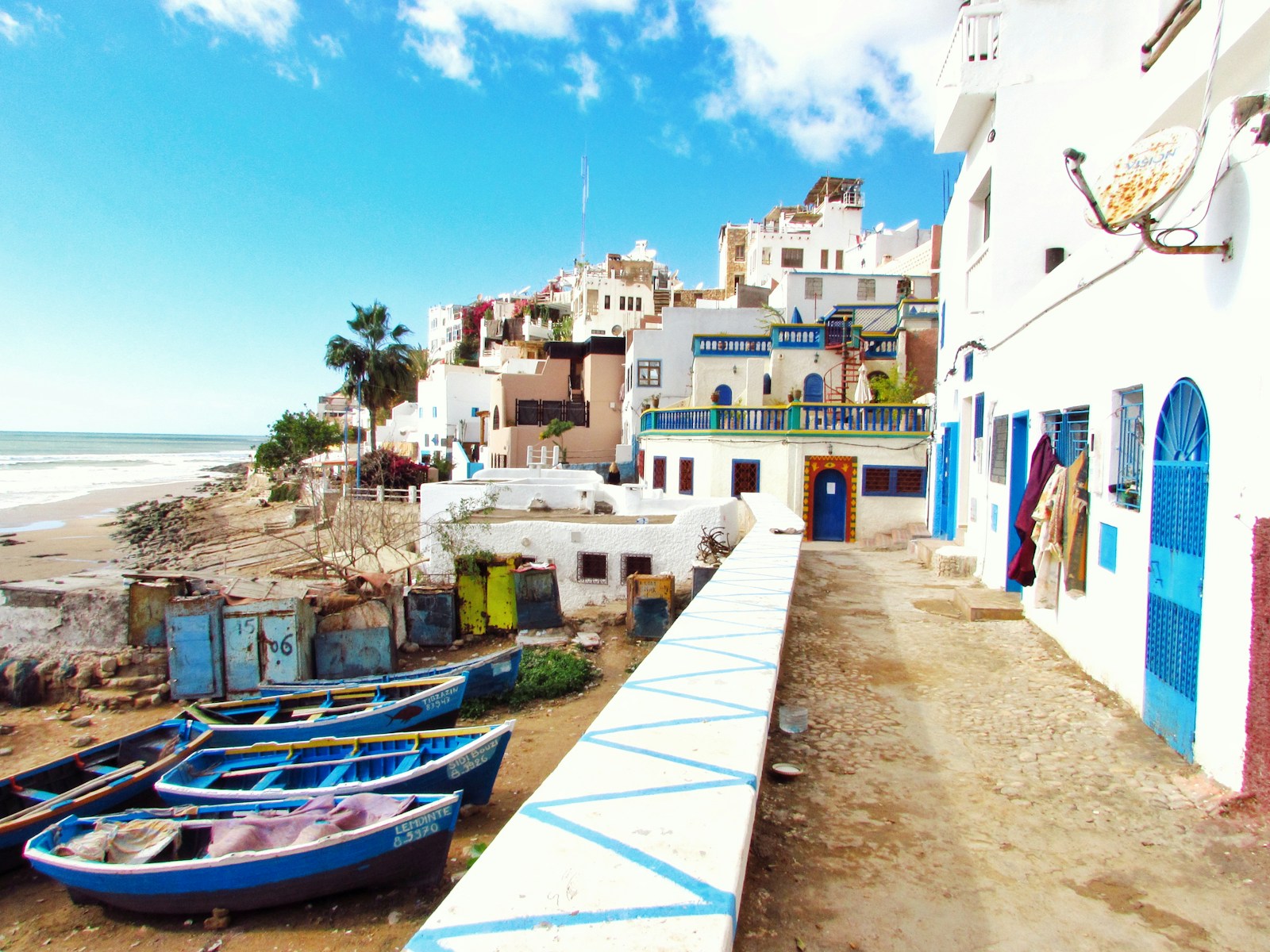
Image Credits: Photo by Louis Hansel on Unsplash

Cameron is a highly regarded contributor in the rapidly evolving fields of artificial intelligence (AI) and machine learning. His articles delve into the theoretical underpinnings of AI, the practical applications of machine learning across industries, ethical considerations of autonomous systems, and the societal impacts of these disruptive technologies.