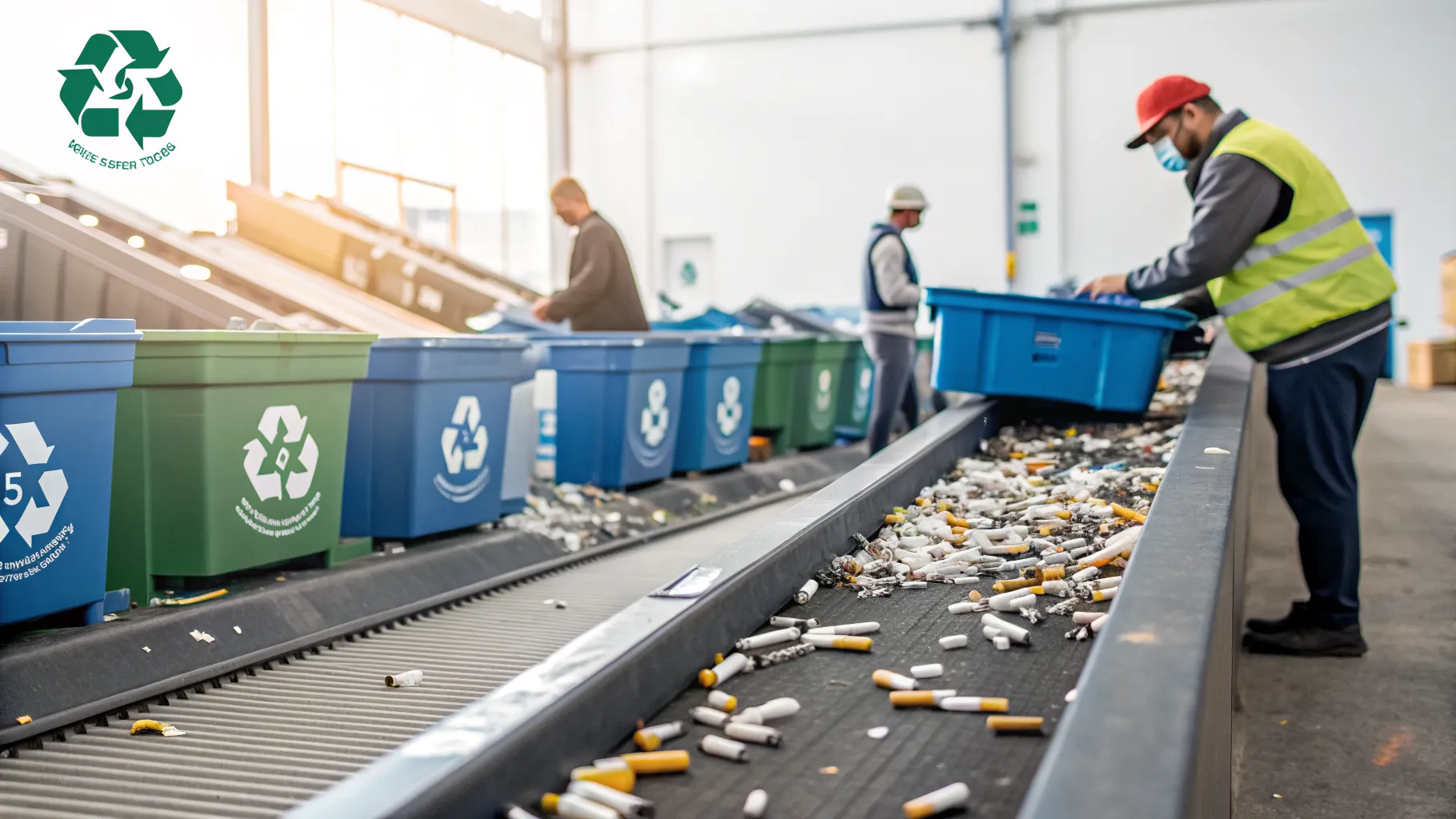
One recycling facility has sounded the alarm over a growing stream of disposable vapes and e-cigarettes entering sorting lines, saying the devices are disrupting work and raising safety risks. The facility says the problem has intensified as vape use rises and people toss devices into household recycling rather than special drop-off points or general waste.
A recycling facility says disposing of vapes in recycling is causing “significant problems”.
The warning points to a simple but risky mistake. Vapes contain small lithium-ion batteries and residual liquid. Both can be hazardous when crushed by sorting equipment. The issue affects workers, machinery, and the quality of recyclable materials.
Why Vapes Do Not Belong in the Blue Bin
Disposable and rechargeable vapes are mixed material products. They combine plastic, metal, electronics, and a battery in a single unit. This design makes them hard to process in facilities built to handle clean paper, cardboard, glass, and certain plastics.
When devices enter grinders or balers, their batteries can short-circuit. Sparks or heat can ignite nearby paper or plastic. Even when fires do not start, jams and shutdowns occur. Workers must stop lines, remove lodged items, and inspect for damage. Each stoppage slows throughput and raises costs.
Residual e-liquid can also leak, contaminating other materials and reducing the value of bales. Some liquids contain nicotine, which requires careful handling and disposal.
Worker Safety and Operational Strain
Facility managers say the risks extend beyond a single bin. A single device can trigger an alarm, halt a line, or in the worst case start a fire. Staff then need to isolate the issue, check equipment, and manage cleanup. These steps take time and add expense.
Insurance and regulatory pressures add more strain. Plants must prove they have controls in place for battery hazards. That can mean more staff training, new fire detection gear, and separate holding areas for suspect loads. These costs hit tight municipal budgets and private operators alike.
Rising Use, Patchy Guidance
Vape sales have grown in many places over recent years. The devices are cheap and widely available. They often end up in household bins when people are unsure where to take them. Local rules vary, and labels can be unclear. That confusion feeds the stream of devices reaching recycling plants.
Waste experts have long advised that small batteries and electronics need special handling. Many towns offer drop-off points or household hazardous waste events. Retail take-back schemes exist in some markets, but awareness is uneven.
Industry and Policy Responses
Some waste authorities are pushing for clearer product labels that warn against placing vapes in recycling. Others support extended producer responsibility, which would make makers fund safe collection and recycling of their products. Retailers could play a bigger role by offering in-store collection for used devices and pods.
Recycling operators also press for design changes. Removable batteries, less mixed material, and clearer disassembly points could reduce risks. Simple changes in packaging and instructions may help users choose the right disposal route.
What Households Can Do Now
Consumers play a key role in cutting risks and keeping recycling streams clean. The steps are simple and can prevent shutdowns and fires.
- Do not place vapes or batteries in household recycling.
- Check local guidance for e-waste or battery drop-off sites.
- If offered, use retailer take-back bins for used devices and pods.
- Keep used vapes in a cool, dry place until proper drop-off.
- Never crush or puncture devices.
The Stakes for Recycling Systems
Contamination from mis-sorted items hurts the economics of recycling. Plants earn less when bales are dirty. They also face higher operating costs due to unplanned stoppages and added safety measures. That can reduce the funds available for service improvements.
For communities, the result may be higher fees or cutbacks. For workers, the risk of heat events and exposure grows. Both burdens are avoidable with clear rules and better collection options for small electronics and batteries.
The facility’s warning is a reminder that small items can cause large problems on fast-moving lines. Clear guidance, safer product design, and simple consumer steps can ease the strain. As vape use holds steady, watch for local take-back programs, stronger labeling, and new rules that push makers to fund safe disposal. The quickest fix today is also the simplest: keep vapes out of the recycling bin.

Kirstie a technology news reporter at DevX. She reports on emerging technologies and startups waiting to skyrocket.