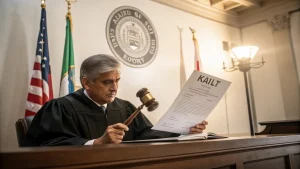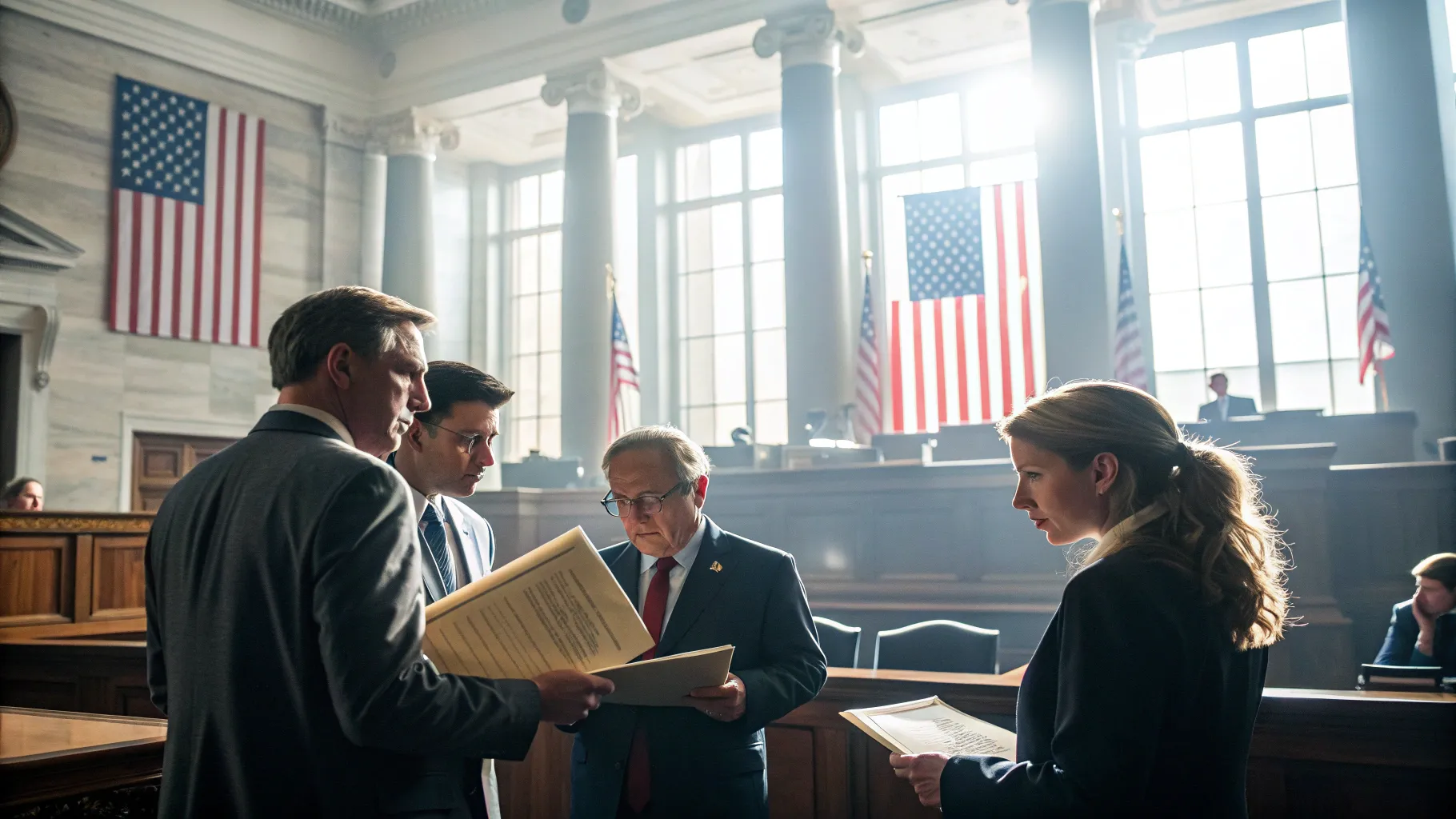
A draft order tied to artificial intelligence policy is circulating after a Republican push to block state rules failed in Congress. The move reflects growing worry in Washington and state capitals over how to govern fast-moving AI tools. It also signals a new round of debate over who should set the rules and when.
Republican lawmakers had sought a federal ban on state-level AI regulation. That effort did not advance, opening the door for states to press ahead with their own plans. The draft order appears to respond to that vacuum, as more lawmakers raise alarms about risks to consumers, workers, and elections.
Why Federal Preemption Stalled
Preemption would have given Washington the final say on AI standards. Supporters argued it would prevent a patchwork of state rules that could burden companies and confuse users. But bipartisan concerns about safety, bias, and transparency slowed the push. Lawmakers from both parties signaled that states should have room to act while Congress studies the issue.
Business groups have warned that uneven rules could increase costs. Civil rights advocates counter that strong state protections can set a baseline while Congress negotiates broader policy. The political divide, more than procedural hurdles, appears to have halted the preemption bid for now.
What the Draft Order Signals
The draft order comes after Republicans in Congress failed to pass a federal ban on state AI regulation, as more lawmakers raise concerns about the technology.
The text of the draft has not been released publicly. People familiar with the discussions say the focus is on consumer protection, safety testing, and clearer disclosures when AI systems are used. Any final order would likely direct federal agencies to take steps within current law, while Congress considers wider changes.
Observers say the order could push agencies to define risks and share best practices. It may also encourage voluntary commitments from industry. That would mirror past federal actions that paired guidance with monitoring and reporting.
States Step In
Without federal preemption, state lawmakers are moving. They are writing bills on high-risk AI, automated decisions, and content labeling. Some require impact assessments and human oversight for tools that affect jobs, housing, or credit.
- Colorado approved a law in 2024 to manage risks from automated decision systems.
- Connecticut directed agencies to inventory AI tools and assess risks in government use.
- California is considering safety and accountability measures for developers and deployers.
Tech companies warn that differing state standards could slow product releases or force separate versions for different markets. Advocates for stronger rules say state action can protect residents now and inform federal policy later.
Economic and Social Stakes
AI systems are spreading into hiring, health care, education, and public services. Errors can carry real harms, from unfair denials of benefits to harmful medical advice. Lawmakers are weighing how to reduce risk without choking off useful tools.
Labor groups fear job loss and unsafe workplaces as AI monitors workers. Creative artists worry about synthetic content that copies style without consent. Election officials are bracing for deepfake videos and voice clones that could mislead voters. Each area raises different policy needs, and that fuels the case for flexible state approaches.
What Industry Expects Next
Companies want clear rules of the road. Many back uniform national standards, paired with testing and incident reporting. They also seek safe harbor provisions if they follow best practices and respond to problems quickly. Investors are watching how liability and compliance costs evolve as states act and federal agencies respond.
If the draft order emphasizes safety testing and disclosures, firms may face new documentation and auditing. That could raise near-term costs but reduce legal risk. Smaller developers may need help to meet any new requirements.
What to Watch
The key question is whether the draft order sets near-term steps or calls for broad rulemaking. Agency actions in areas like consumer protection, health, and labor will matter. So will state sessions in 2025 as more bills appear.
Congress is likely to revisit preemption if state laws diverge too far. For now, the momentum sits with states and federal agencies using current authority.
The failure of preemption has shifted the center of action. The draft order suggests federal leaders want movement even without new laws. Readers should watch for agency guidance, state bill text, and industry compliance plans as the next signs of where AI policy is headed.

Senior Software Engineer with a passion for building practical, user-centric applications. He specializes in full-stack development with a strong focus on crafting elegant, performant interfaces and scalable backend solutions. With experience leading teams and delivering robust, end-to-end products, he thrives on solving complex problems through clean and efficient code.