Republicans in Congress have faced criticism for their apparent deference to Elon Musk, the billionaire entrepreneur who has taken on an influential role in shaping government policies. Democrats and political commentators argue that elected officials are ceding their authority to an unelected individual, raising concerns about the integrity of democratic processes. Senator Rick Scott, a Florida Republican, admitted to having direct access to Musk, stating, “I just call Elon.” Other Republican lawmakers, such as Representative Tom Cole of Oklahoma, have worked closely with Musk’s team to prevent federal office closures in their districts.
In contrast, Democrats claim they lack the same level of access and communication with Musk and his organization, known as DOGE. Representative Jake Auchincloss, a Democrat from Newton, said his attempts to engage with DOGE were met with resistance. “DOGE had every opportunity to engage with me in good faith and stiff-armed me,” Auchincloss stated.
The disparity in access has led to frustration among Democrats, who feel excluded from the decision-making process. Representative Jared Moskowitz from Florida expressed his disappointment, noting that despite joining the Congressional DOGE Caucus, he has never been included in meetings or informed about Musk’s plans. Veteran Republican lawmakers, such as Cole and Scott, leverage their connections to communicate directly with Musk’s team.
Republican deference to Musk scrutinized
Meanwhile, other Republican lawmakers are being offered opportunities to build inroads with the billionaire. Senator John Hoeven, a North Dakota Republican, revealed that he has spent hours in meetings with Musk, who encouraged him to call if something important arises.
Democrats argue that the lack of accountability and direct communication with Musk is a cause for concern. Senator Richard Blumenthal of Connecticut stated, “We have no way to communicate directly with Elon Musk. He’s this ephemeral figure who is invisible in terms of accountability.”
Political analysts and commentators have also weighed in on the issue, with Angelo Carusone, President of Media Matters for America, Charlie Sykes, an MSNBC Contributor and Columnist, and Teddy Schleifer, a New York Times Correspondent, discussing the implications of this power shift.
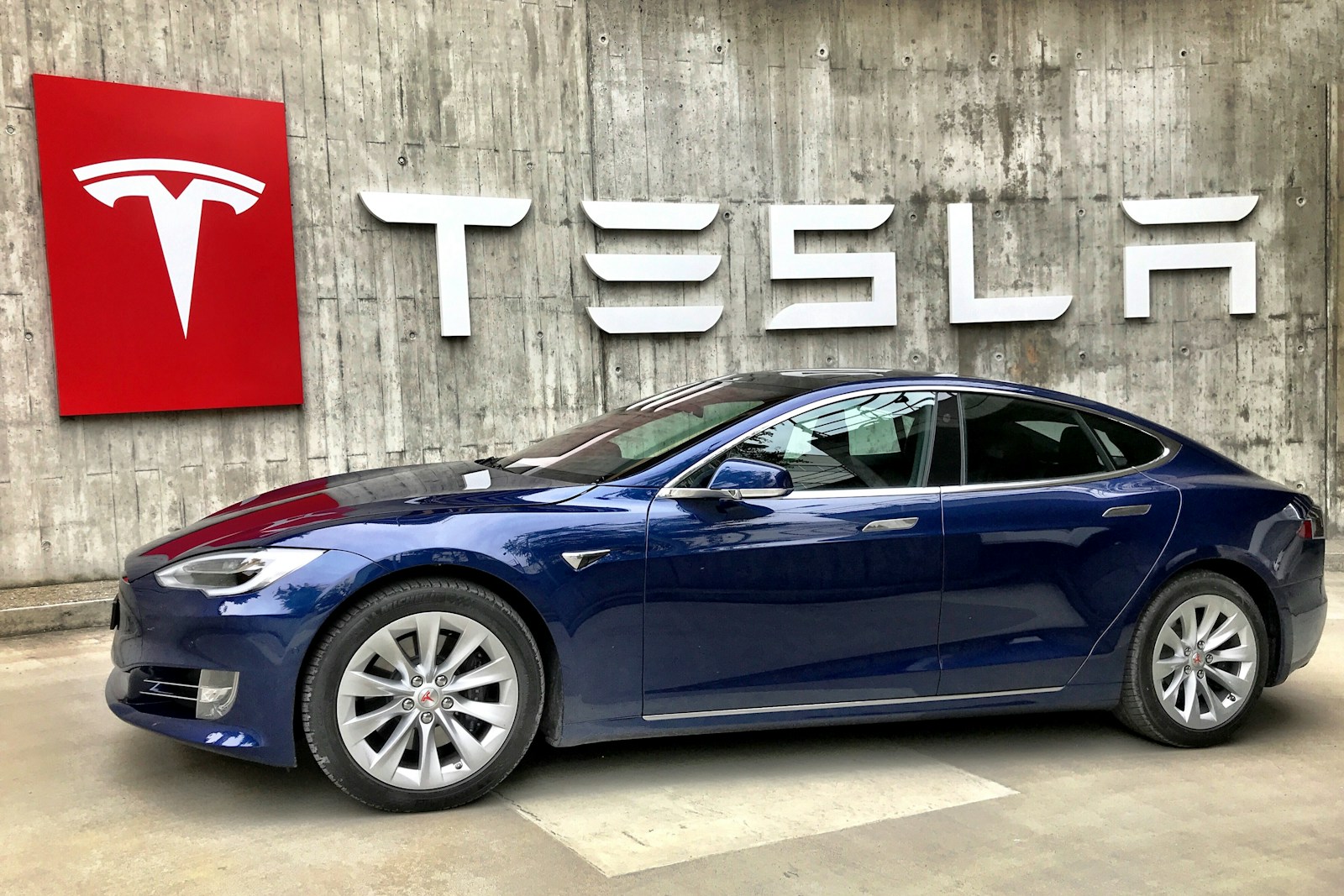
The panel highlighted the symbolic nature of the situation, referencing a recent event where the White House lawn was reportedly turned into a Tesla showroom, emphasizing Musk’s growing influence in political spheres typically reserved for public servants. As this dynamic continues to unfold, voters and political analysts are urged to scrutinize the consequences of such power transfers and recognize the potential risks they pose to democratic structures. The panel called on elected officials to reclaim their legislative responsibilities and act in the best interest of the American public.
The apparent surrender of Congressional authority to an unelected individual raises questions about the complex interplay between wealth, innovation, and political power. It serves as a reminder of the need for vigilance in maintaining democratic principles amidst evolving political landscapes.
Image Credits: Photo by Tesla Fans Schweiz on Unsplash

Noah Nguyen is a multi-talented developer who brings a unique perspective to his craft. Initially a creative writing professor, he turned to Dev work for the ability to work remotely. He now lives in Seattle, spending time hiking and drinking craft beer with his fiancee.