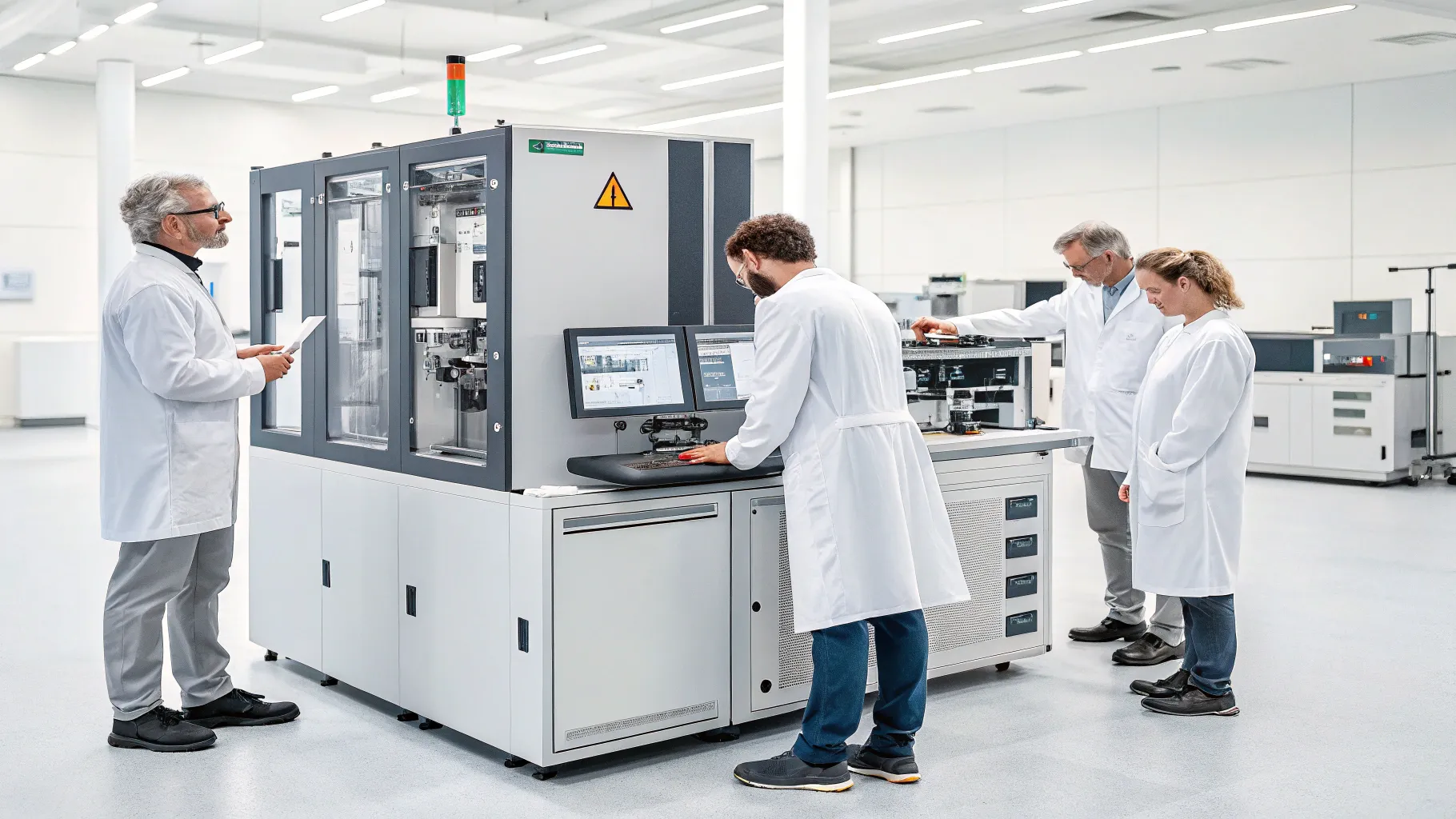
A research team says a new machine could change how scientists study human behaviour, offering a fresh way to spot patterns that are hard to see by hand. The project seeks to help researchers ask better questions and test ideas faster. The lead researcher described the goal as finding practical insights that can guide real-world decisions.
Background: Tools For Reading Patterns
Scientists have long used surveys, labs, and field studies to understand behaviour. These methods can be slow and limited in scope. In recent years, computer models and sensors have added more data, but turning that data into useful knowledge remains tough. Many studies struggle to generalize findings outside a narrow group of people or settings.
The team behind this machine wants to address those hurdles. The system is described as a way to sort large sets of signals and highlight relationships worth closer study. It is not billed as a replacement for human judgment. Instead, it is designed to point researchers to patterns that standard methods might miss.
What The Team Says The Machine Can Do
The project leaders say the tool will help map actions and context, then propose testable ideas. They expect it to assist with early-stage research and follow-up checks, not to make final calls on its own.
“Offer new insights into human behaviour,” the lead researcher said, adding that the purpose is to turn complex data into simple clues that experts can verify.
According to the team, the machine can flag shifts in behaviour across time and settings. It can also help compare groups without relying on a single metric. That may help reduce blind spots that occur when studies focus on narrow outcomes.
Possible Uses And Limits
Supporters see promise in several areas. Public health programs could tailor messages based on how people respond over time. Educators might study classroom habits to refine lesson plans. City planners could review travel patterns to improve safety and reduce delays.
There are limits. Behaviour is complex, and data can be messy. If the input is biased, the results can mislead. Models can overfit to rare events or miss cultural context. The team says peer review and open methods will be important checks. They also stress that field validation should follow any pattern the machine finds.
Ethics, Consent, And Privacy
Privacy remains a central concern. Collecting behaviour data can expose sensitive details about health, work, family, or beliefs. Researchers say they plan to use clear consent, minimal data, and strong security. They also back independent audits of methods and outcomes.
Ethicists often warn that tools can label people in ways that stick, even when the labels are wrong. To reduce harm, experts recommend transparent features, easy opt-outs, and ways to challenge results. The team says it supports these steps and will publish documentation on how the machine works in plain language.
What Experts Will Watch
Outside observers say the project’s value will depend on how it performs in public tests. They will watch for whether results repeat across groups, whether methods are shared, and whether changes in policy or practice lead to better outcomes.
- Does the system work across age, race, and culture?
- Can others reproduce the findings with new data?
- Are the measures fair, clear, and explainable?
Researchers in social science also point to the need for mixed methods. Numbers can guide, but interviews and field work add context that models may miss. The team agrees that human review is essential at each step.
Looking Ahead
The next phase is expected to include small-scale pilots and independent reviews. The team plans to test the machine with partners in education and public health, followed by a report on what worked and what did not. Public release of tools or code would help others judge the approach.
The project offers a careful path: use machines to spot signals, then let people decide what those signals mean. If the machine delivers practical insights and passes tough checks, it could help move research faster while keeping standards high. The key will be proof, openness, and respect for the people whose data make the work possible.

Kirstie a technology news reporter at DevX. She reports on emerging technologies and startups waiting to skyrocket.