Stephen Haldeman depends on four apps to check air quality as part of his morning routine along with a cup of coffee. The apps inform him whether it’s safe to go outside, crucial information as both he and his wife, Suzy Hamme, are sensitive to air pollution. Haldeman recently discovered a lump in his right lung that restricts his breathing.
Haldeman’s apps include the EPA’s AirNow and the independently run Purple Air, which collects data from low-cost sensors purchased and installed by users. One such sensor hangs in their backyard. “The federal app, AirNow, is never as precise as our Purple Air monitor,” Haldeman said, noting that AirNow frequently underreports pollution in their area.
Their experience is not unique. According to research from the University of California, Berkeley, more than 20 million people in U.S. urban neighborhoods live in areas with dangerous levels of soot pollution but lack sufficient government sensors to detect it. These blind spots make up 44 percent of urban areas expected to suffer hazardous air pollution.
There are around 1,000 government sensors in the U.S., but it’s far from enough,” said Jihyun Wang, a postdoctoral fellow in environmental engineering at Berkeley and the chief author of the study. Wang, who grew up experiencing thick smog in China, mapped these blind spots using satellite data, traffic corridors, and locations of pollution sources like factories. Lancaster, Pennsylvania, is a significant example of such a blind spot, with at least nine census tracts beyond the reach of government sensors.
Despite the environmental concerns raised by residents like Haldeman and Hamme, Lancaster County Commissioner Craig Lehman noted that many in the region overlook the issue. “It’s been very difficult because there’s just been no other data and no one that actually sees the poor air quality,” Lehman said. “And so that’s making it difficult for people to want to take action.”
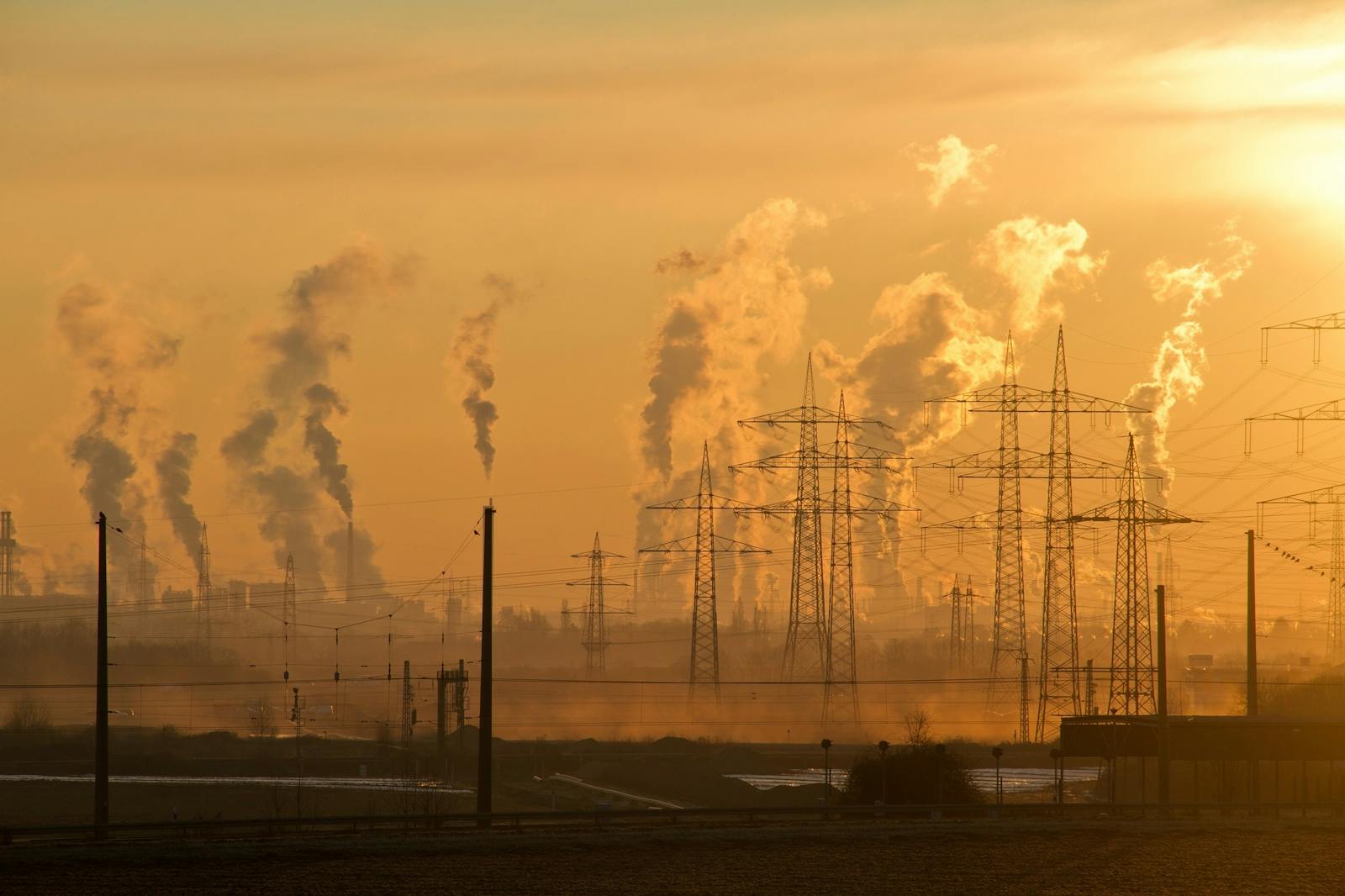
The picturesque landscapes of Lancaster County mask an invisible problem: severe air pollution.
According to the American Lung Association, Lancaster County consistently ranks poorly for short-term particle exposure.
Residents turn to apps for air quality
Small particles pose significant health risks as they can penetrate deep into the lungs and are linked to several diseases and higher mortality rates.
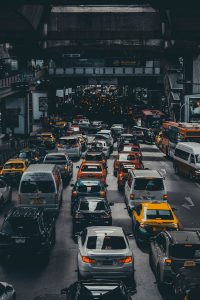
Local environmentalists want the state to install additional sensors to provide a more accurate assessment. Without precise monitoring, tracking air pollution in Lancaster is akin to a guessing game. Haldeman and Hamme believe vehicular traffic contributes significantly to air pollution, while others suspect agricultural activities or trash burning.
Pennsylvania’s Department of Environmental Protection (DEP) acknowledges the issue but is constrained by siting requirements and budgetary limitations. “We are unable to exactly monitor where some of these ‘hot spots’ are occurring,” said DEP’s air monitoring division head, Tom Nolan. “I think that this is where additional technologies can come into play.
Where we have low-cost sensors.”
The Biden administration acknowledges the problem, setting stricter standards for small particles and allocating funds to expand the air sensor grid through the Inflation Reduction Act. However, Lancaster is not listed as an area that will benefit from this expansion. Most of the new sensors are planned for counties heavily impacted by the 2023 wildfires in Canada.
The inadequacy of government monitoring has led residents like Haldeman and Hamme to purchase their own pollution monitors through local initiatives such as the Sierra Club. Community-run sensors like the Purple Air monitors can be bought for as little as $250, but lack the accuracy and legal authority of government monitors, which cost at least $20,000. Recognizing this gap, the EPA in 2022 began including Purple Air monitors in its air pollution reporting, calling them a “supplement” to the official grid.
However, commercial sensors cannot influence government decisions on anti-pollution regulations. “Low-cost sensors do not trigger such a process,” said Professor Emily Fischer, an air policy researcher at the University of Colorado Denver. In their study, Wang and her co-authors urge the U.S. to prioritize placing new government sensors in urban blind spots to ensure that residents, particularly those in vulnerable communities, are protected against air pollution.
The one thing that I counted on the government for, the federal government, even the state government at some point, is to protect me,” said Haldeman, a Lancaster resident.

Noah Nguyen is a multi-talented developer who brings a unique perspective to his craft. Initially a creative writing professor, he turned to Dev work for the ability to work remotely. He now lives in Seattle, spending time hiking and drinking craft beer with his fiancee.