“Convenience is nothing to be ashamed of.” With that simple line, a speaker sparked a larger debate over how people shop, eat, work, and care for family. The comment arrives as delivery apps, one-click purchases, and on-demand services shape daily life across cities and suburbs. The question is whether convenience reflects laziness or a practical response to rising pressures on time, money, and care.
The statement also hints at a shift in tone. For years, public debate framed convenience as wasteful. Today, workers juggle long commutes, erratic shifts, and caregiving duties. Many choose services that trade higher price for saved time. The comment asks the public to see those choices as rational, not shameful.
The New Convenience Economy
Shoppers now expect quick delivery, easy returns, and clear subscription options. Restaurants depend on takeout. Pharmacies fill online orders within hours. These services grew during the pandemic and stayed as habits formed. Families use curbside pickup to manage school schedules. Patients book virtual visits to avoid travel and missed work. For many, this is not luxury. It is survival.
“Convenience is nothing to be ashamed of,” the speaker said, arguing that saved time can reduce stress, improve access, and help caregivers stay employed.
Supporters say convenience expands access. People with disabilities can shop without barriers. Rural residents can reach goods not stocked locally. Shift workers can handle tasks outside normal hours. The value is measured in hours restored and stress reduced.
Environmental And Labor Trade-Offs
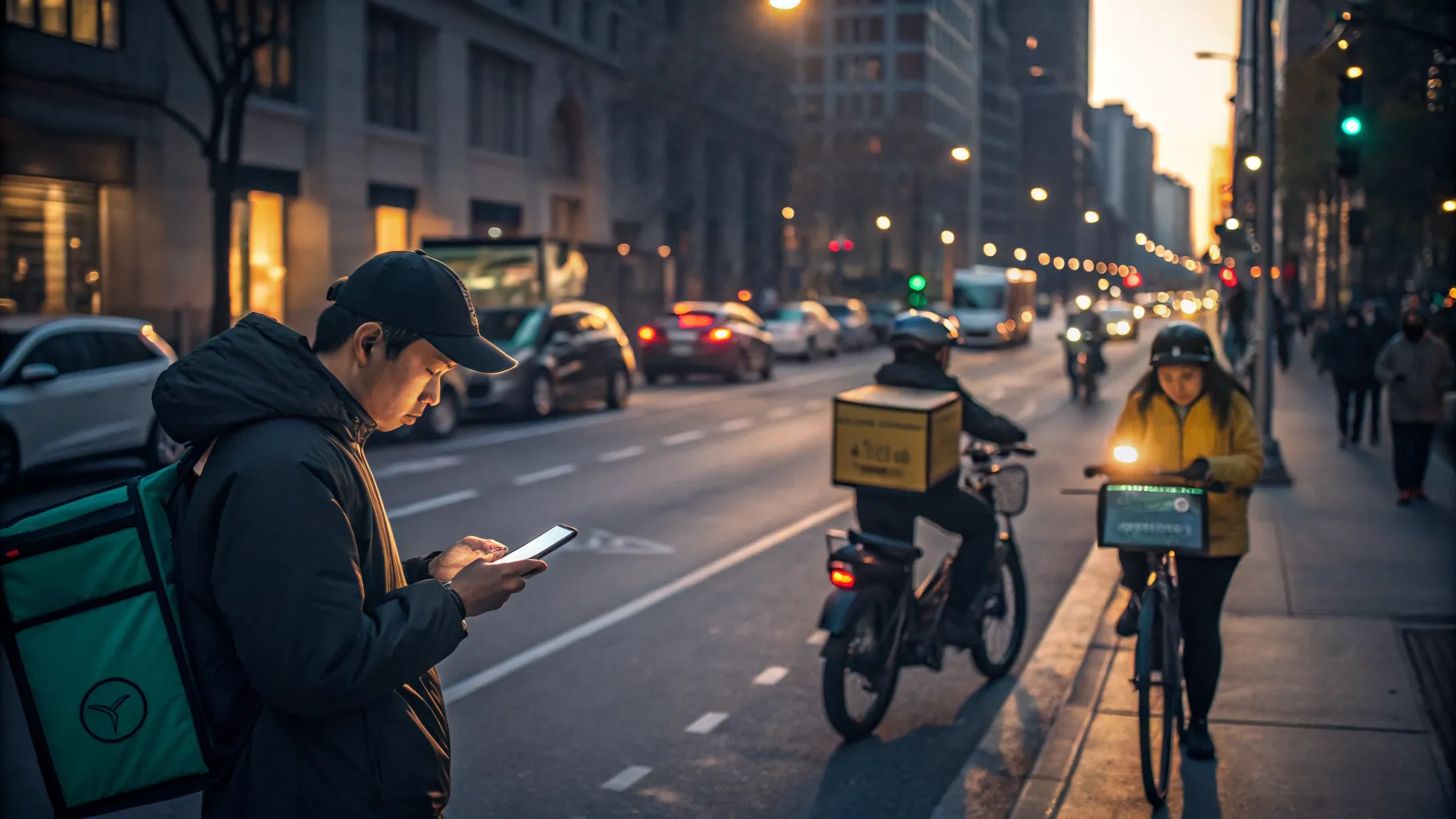
Critics warn that the same systems can carry hidden costs. Packaging waste fills recycling bins and landfills. Extra trips by delivery vehicles can add traffic and emissions. Fast returns raise shipping volumes. Workers in warehouses and on roads face pressure to meet tight windows.
Labor groups point to pay variability and safety risks in delivery and gig work. Companies defend current models as flexible and popular with workers. Consumers remain split. Many want cleaner packaging and fair pay, but still choose the fastest option when time runs short.
- Packaging and transport add waste and emissions.
- Gig work offers flexibility but raises pay stability questions.
- Consumers value speed, yet seek fair and cleaner options.
Affordability, Time, And Inequality
Household budgets shape choices. Same-day delivery can cost more than in-store shopping. Yet that premium may be cheaper than lost wages from leaving work early. Parents and caregivers weigh trade-offs every day. Convenience is often a tool for managing unequal time burdens, especially for single parents and low-wage workers.
Public health advocates add that time saved can support better outcomes. Extra hours may go to sleep, exercise, or caregiving. For people who live far from grocery stores or clinics, delivery and telehealth can close gaps in access. Convenience, in this view, serves public goals.
How Companies And Cities Respond
Companies are testing changes that reduce the downsides while keeping speed. More deliveries are grouped into scheduled windows. Electric vans and cargo bikes appear in dense neighborhoods. Reusable or lighter packaging shows up in pilot programs. Some retailers offer discounts for slower shipping to combine orders.
Cities are adjusting curbs and loading zones to cut double-parking and improve safety. Planners promote microhubs to shorten last-mile routes. Waste agencies push for packaging standards. These steps aim to match consumer habits with cleaner and safer streets.
Signals To Watch
Several trends will shape the next phase of convenience:
- Growth of subscription models that batch deliveries to reduce trips.
- Adoption of electric fleets and bike deliveries in crowded areas.
- Policies that set minimum pay or benefits for gig workers.
- Packaging rules that limit plastics and encourage reuse.
A Changing Public Narrative
The quote challenges moral judgments about daily choices. Shaming individuals is unlikely to fix environmental harm or poor working conditions. System design matters. Pricing, policy, and logistics can steer demand to cleaner and fairer options without scolding people for saving time.
Personal responsibility still plays a role. Consumers can choose consolidated shipping or reusable packaging where available. But the larger gains will come from how companies plan routes, how cities regulate streets, and how policymakers set labor standards.
The speaker’s line captures the shift: convenience is not the enemy. The focus is on smarter convenience. That means faster services that waste less, pay fairly, and reach more people. The next test is whether business and government can scale these ideas while keeping costs in check.
For now, the debate is moving from guilt to design. People need time. Services that return it will remain popular. The task ahead is to make those services cleaner, safer, and more equitable. That is where the judgment should fall.

Senior Software Engineer with a passion for building practical, user-centric applications. He specializes in full-stack development with a strong focus on crafting elegant, performant interfaces and scalable backend solutions. With experience leading teams and delivering robust, end-to-end products, he thrives on solving complex problems through clean and efficient code.