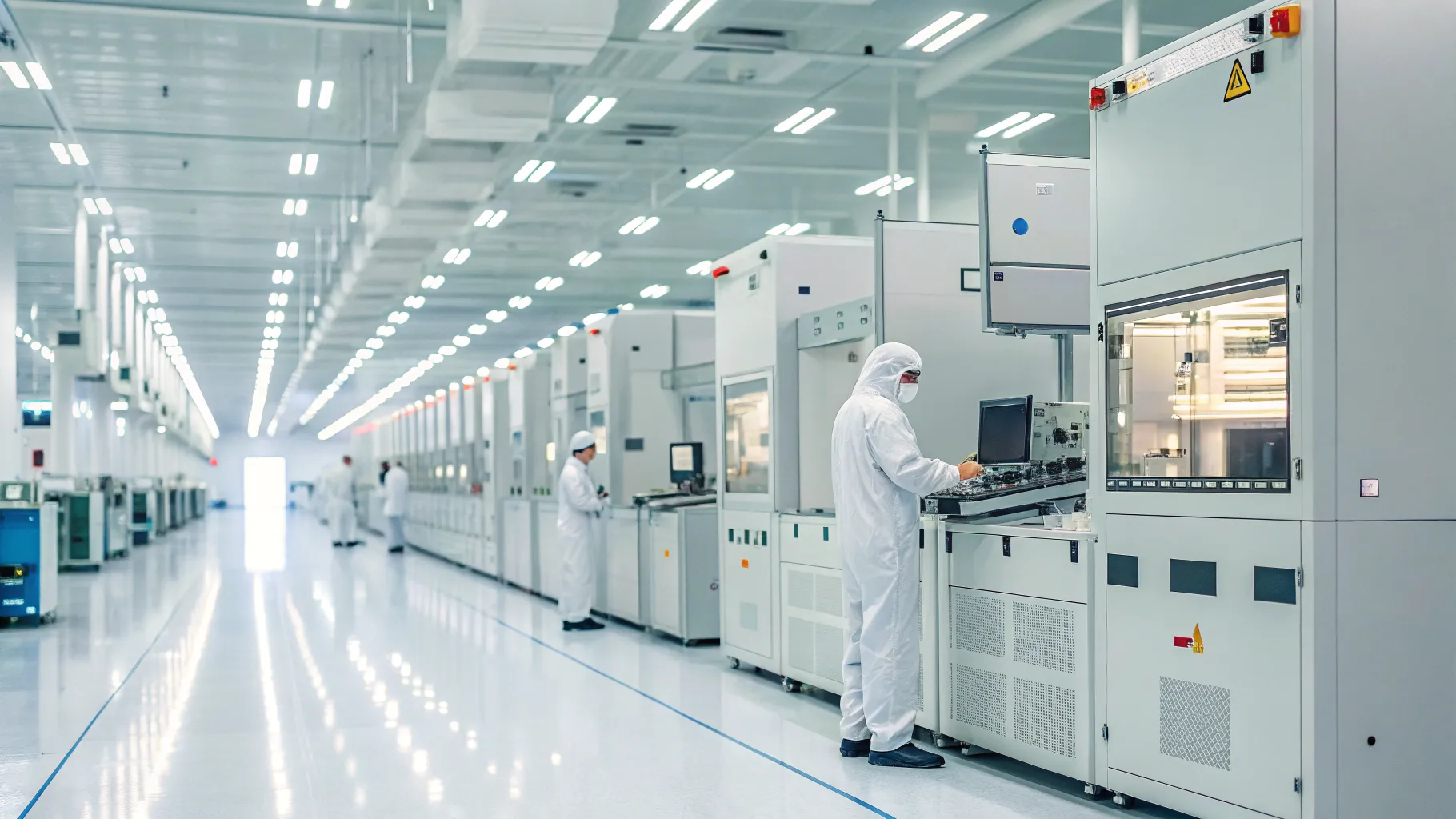
Samsung Electronics is preparing to start production of its next-generation high-bandwidth memory chips, HBM4, as early as next month, with plans to supply Nvidia, according to a person familiar with the matter. The move signals a fresh phase in the contest to feed the surge in artificial intelligence computing, where memory speed and power efficiency are now central to system performance.
The plan, first reported to Reuters on Monday, would give Nvidia another major memory supplier for its AI accelerators. The timing suggests Samsung aims to close the gap with rivals that have dominated shipments for Nvidia’s current platforms. Neither company has publicly confirmed delivery schedules.
Why HBM4 Matters for AI
HBM chips sit next to a processor and provide very fast access to data. They are stacked vertically and connected with tiny channels to deliver high throughput at lower power compared with traditional memory.
AI training and inference rely on moving huge amounts of data between memory and compute. The speed of HBM often sets the ceiling for real-world performance. As models grow, memory is becoming as important as the GPU itself.
“Samsung Electronics plans to start production of its next-generation high-bandwidth memory (HBM) chips, or HBM4, starting next month and supply them to Nvidia,” a person familiar with the matter told Reuters.
The Race for HBM Leadership
Over the past two years, SK Hynix has led shipments of HBM3 and HBM3E for top AI systems, with Micron also winning design slots. Samsung has invested heavily to regain share, targeting yield improvements and tighter integration with advanced packaging.
Nvidia’s flagship AI platforms have paired GPUs with HBM assembled using advanced 2.5D packaging, often through partners such as TSMC. Securing multiple qualified memory sources is a strategic priority for Nvidia, which has faced supply tightness during peak demand cycles.
Analysts say HBM4 could lift bandwidth and capacity while reducing power per bit, an advantage for data centers seeking to cut energy costs. If Samsung meets timelines and performance targets, the supplier mix for next-generation accelerators could shift.
Production Hurdles and Technical Risks
Moving to HBM4 raises several manufacturing challenges. Yield management becomes more complex as the number of stacked layers rises. Tiny defects anywhere in the stack can scrap entire units. Thermal control and signal integrity also grow harder at higher speeds.
Integration with packaging houses must be tightly coordinated. Capacity for advanced packaging has been a bottleneck for AI hardware, so on-time ramp depends on supply across the chain, not just on the memory maker.
- Yield and reliability across many stacked layers
- Thermal design to maintain performance under load
- Packaging capacity and synchronization with GPU launches
What It Means for Nvidia and the Market
For Nvidia, adding Samsung as an HBM4 supplier could lower supply risk and provide pricing leverage. It may also help speed deliveries of future accelerators, where memory availability has been a limiting factor.
For Samsung, winning HBM4 orders from the market leader in AI accelerators would validate recent investments and could lift memory margins. It would also put pressure on SK Hynix and Micron to accelerate their own HBM4 ramps and expand capacity.
Data center operators stand to benefit if more supply brings shorter lead times and steadier pricing. But the transition will depend on qualification cycles, which can take months as customers test for reliability, thermal behavior, and system-level performance.
Signals to Watch
Investors and customers will watch for formal product announcements and performance disclosures. Key indicators include:
- Confirmed qualification of HBM4 with Nvidia’s next-generation GPUs
- Packaging availability from foundry partners and OSATs
- Yield progress and any reported delays in volume ramp
- Pricing trends for HBM relative to standard DRAM
Industry forecasts suggest AI server demand will stay strong as enterprises scale training and roll out larger inference clusters. Memory makers that can deliver higher bandwidth at lower energy per bit are well placed to gain share.
Samsung’s planned HBM4 start next month, if realized, marks an aggressive push to secure a lead position in the next wave of AI hardware. The outcome will hinge on production yields, packaging capacity, and how quickly customers qualify the parts. If the supply chain holds, buyers could see broader choice and improved availability as the new generation of AI systems comes to market.

A seasoned technology executive with a proven record of developing and executing innovative strategies to scale high-growth SaaS platforms and enterprise solutions. As a hands-on CTO and systems architect, he combines technical excellence with visionary leadership to drive organizational success.