https://x.com/tarunvats33/status/1921138665809396054
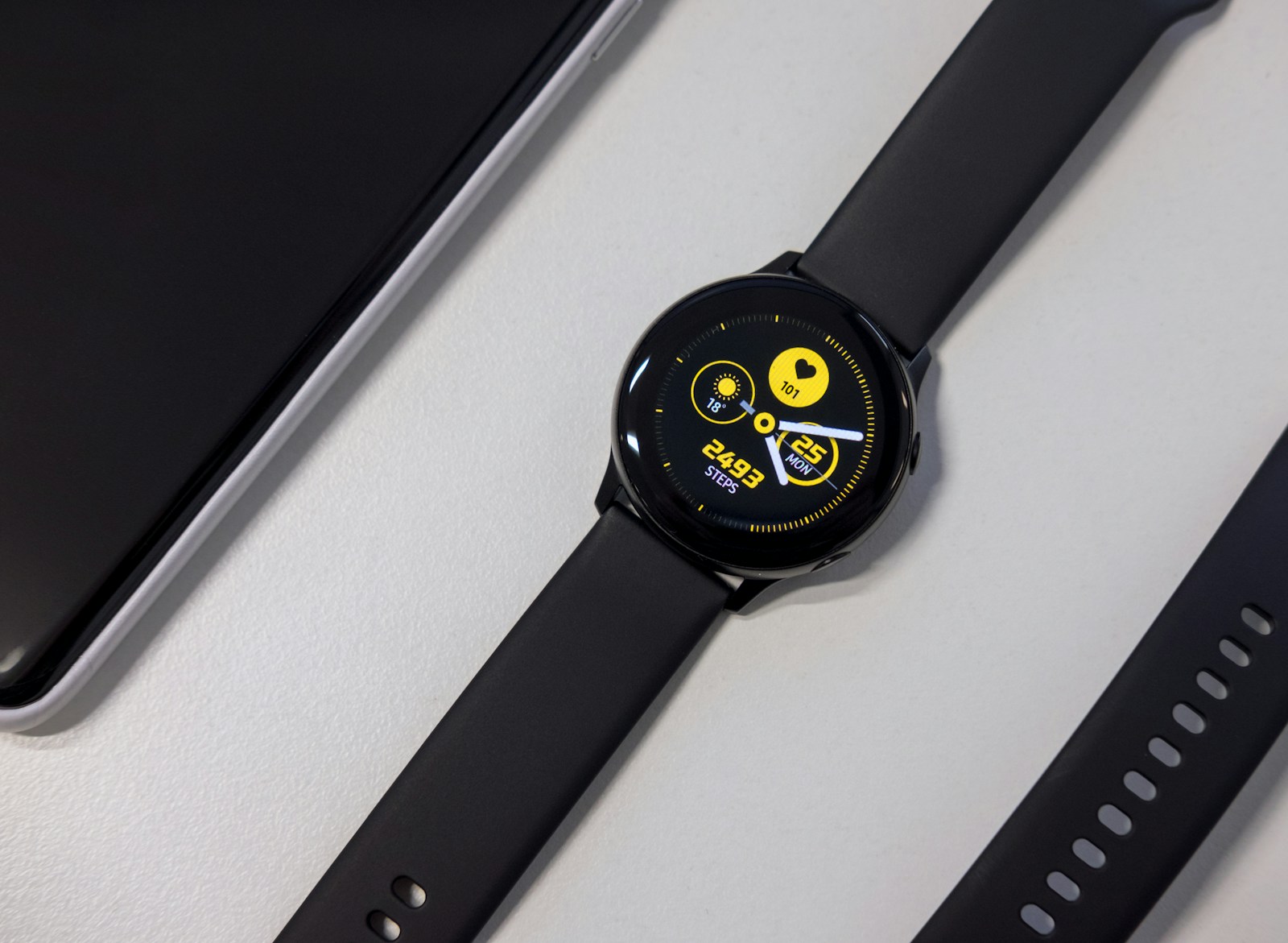
Samsung’s Galaxy Watch8 series is set to introduce a significant design change, moving away from the traditional circular shape to a “squircle” design. This shift, reminiscent of last year’s Galaxy Watch Ultra, blends square and circular elements while maintaining a rounded screen. The Galaxy Watch8 will come in two sizes, while the Galaxy Watch8 Classic, expected to bring back the popular rotating bezel, will be available in a single size.
https://x.com/thesammyfans/status/1921368659403944274
These details were uncovered through a thorough examination of the One UI 8 Watch firmware for the Galaxy Watch8 Classic. Animation files within the firmware revealed internal codenames used by Samsung for these devices. Notably, there was no mention of a Galaxy Watch Ultra 2, suggesting that the original Galaxy Watch Ultra may remain the flagship model for another year.
https://x.com/thesammyfans/status/1921339718861758656
Squircle design and rotating bezel
The squircle design, which has garnered mixed opinions, is now being adopted across the entire Watch8 series. The Galaxy Watch8 Classic is also anticipated to feature a Quick Button, similar to the Galaxy Watch Ultra, along with improved vibration pattern support.
However, it is still uncertain whether the much-desired rotating bezel will be included. The Galaxy Watch8 series will launch with One UI 8 Watch, which boasts several new enhancements. These include support for randomized watch faces, a battery protection feature that limits charging to a specific percentage, and a new Shortcuts app that allows users to place frequently used apps directly on their watch face.
While the new design may not cater to everyone’s preferences, Samsung continues to innovate and expand the capabilities of its wearable devices, striving to meet the diverse needs and preferences of its users. The Galaxy Watch8 series is expected to launch alongside the Galaxy Z Fold 7 and Galaxy Z Flip 7 in the third quarter of 2025.

Cameron is a highly regarded contributor in the rapidly evolving fields of artificial intelligence (AI) and machine learning. His articles delve into the theoretical underpinnings of AI, the practical applications of machine learning across industries, ethical considerations of autonomous systems, and the societal impacts of these disruptive technologies.