Sen. Bernie Sanders is calling for a moratorium on new artificial intelligence data centers, arguing the rapid buildout needs stronger oversight to protect workers, communities, and the grid. The proposal has already sparked sharp pushback from free-market advocates, including Heritage Foundation senior economist Peter St. Onge, who called the idea a “power grab” during an appearance on the business program The Bottom Line. The clash highlights growing tension over how to balance AI growth with public costs and benefits.
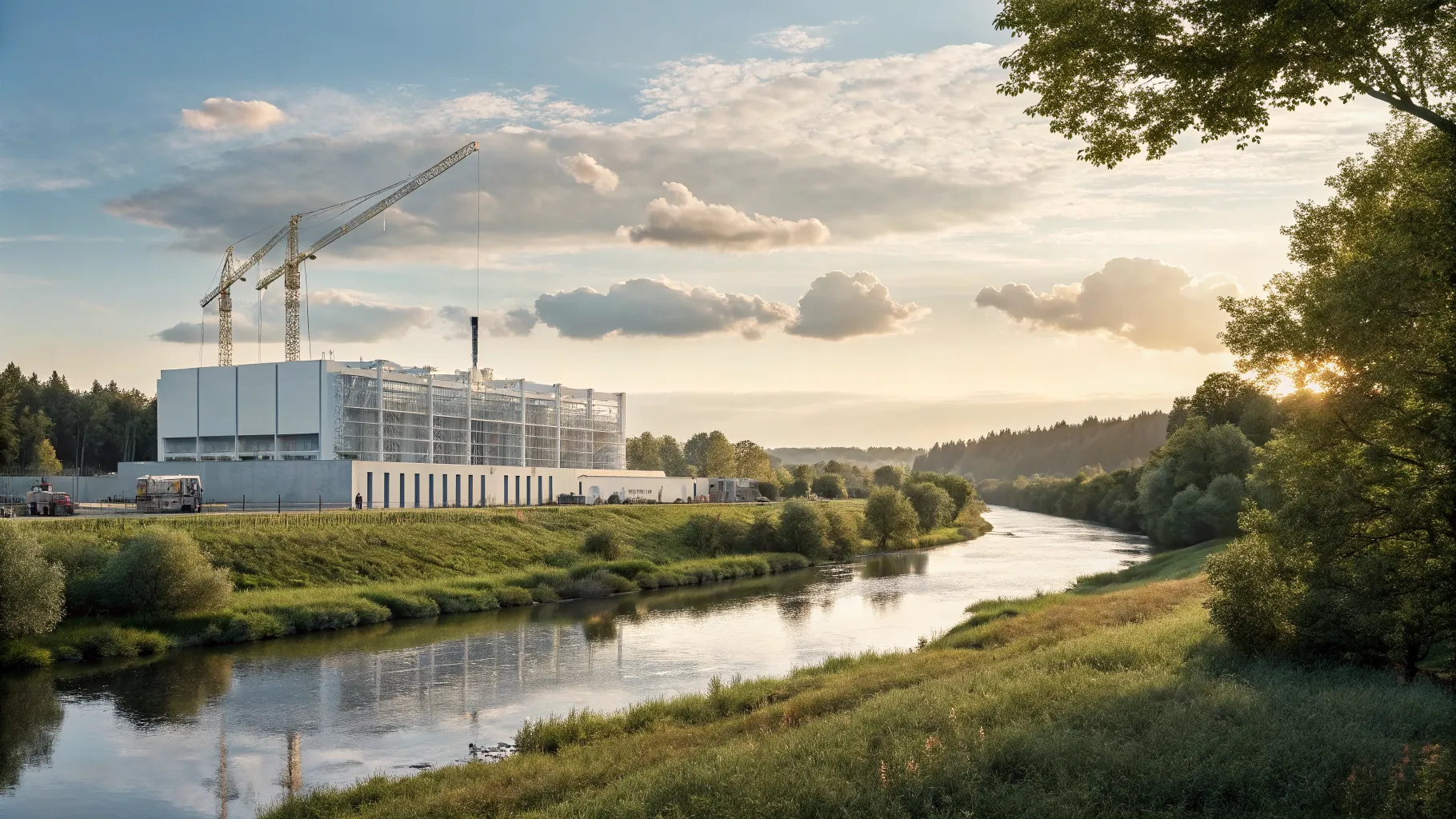
The debate centers on whether the country should slow approvals for new facilities while policymakers assess energy demand, labor impacts, and competition issues. It arrives as companies pour billions into servers and chips to power large-scale AI systems. City and state officials are facing land use fights, water constraints, and noise complaints from neighborhoods near construction sites.
What Is Driving the Push for a Pause
Supporters of a moratorium say AI data centers bring high electricity needs and limited local jobs compared with the size of their footprint. They warn that unchecked growth could strain power grids and raise rates for households and small businesses. Some environmental groups add that the surge could lock in fossil fuel generation if grid upgrades lag.
Several lawmakers and labor advocates argue that a temporary pause would allow time to set standards on siting, power sourcing, and worker protections. They also want to weigh rules on data privacy and competition, as a few firms build out massive computing capacity.
St. Onge rejects that framing. He argued the pause would give Washington sweeping control over a fast-growing sector. In his words:
Peter St. Onge called the proposal a “power grab” on The Bottom Line.
He said market forces, not new federal blocks on permits, should guide where and how data centers expand.
Energy, Water, and Grid Concerns
AI workloads require dense clusters of servers and advanced cooling. The International Energy Agency has projected that global electricity use by data centers could roughly double by 2026 as AI adoption rises. Utilities in several U.S. regions have reported unexpected spikes in demand tied to new projects.
Water use is also under scrutiny. Studies have found a single large data center can consume millions of gallons per day for evaporative cooling, depending on climate and technology. In drought-prone areas, officials are weighing limits or alternative cooling methods. Companies say they are shifting to more efficient systems and signing clean power deals, but those upgrades take time.
Jobs, Competition, and Local Trade-Offs
Backers of the pause argue that the jobs payoff can be modest once construction ends. Ongoing roles often number in the dozens, not hundreds, given heavy automation. They want stronger community benefit agreements and training programs tied to permits.
Antitrust advocates are also watching market concentration. Building and running high-end facilities requires enormous capital and chip access. Critics fear that a small set of firms could tighten control over AI computing, making it harder for startups and universities to compete.
Industry groups counter that new centers support wider ecosystems, including contractors, clean power projects, and cloud services for small businesses. They warn that a federal freeze could push investment to other countries and slow AI advances that improve health care, education, and productivity.
How a Moratorium Might Work
While details are still forming, a federal moratorium would likely pause new approvals while agencies study impacts and set standards. Some states and cities have tested similar steps. New York, for example, enacted a limited pause in 2022 on certain crypto-mining operations at fossil-fuel plants to review environmental effects.
- Define which projects are covered and for how long.
- Set thresholds for power use, water consumption, and emissions.
- Require community input and local infrastructure plans.
- Ensure grid operators can meet demand without rate shocks.
- Promote competition and fair access to computing resources.
What Comes Next
Congressional committees are likely to seek testimony from utilities, local officials, labor groups, and AI firms. Regulators may propose interim guidance on siting and environmental reviews. Utilities are fast-tracking plans for new generation, transmission, and efficiency to meet the surge.
The path forward may mix incentives and guardrails. Possible steps include faster grid upgrades, stricter water standards in scarce regions, transparency on energy sourcing, and support for workforce pipelines. Clear rules could reduce delays while addressing public costs.
The fight over a pause reflects a larger question: how to share the gains and the bills from the AI buildout. Sanders wants to hit the brakes. St. Onge says that would put Washington in the driver’s seat. Lawmakers now must decide whether the speed of AI growth matches the nation’s capacity to power it, cool it, and regulate it. Watch for utility filings, permitting timelines, and any compromise that ties new approvals to firm energy and community guarantees.

A seasoned technology executive with a proven record of developing and executing innovative strategies to scale high-growth SaaS platforms and enterprise solutions. As a hands-on CTO and systems architect, he combines technical excellence with visionary leadership to drive organizational success.