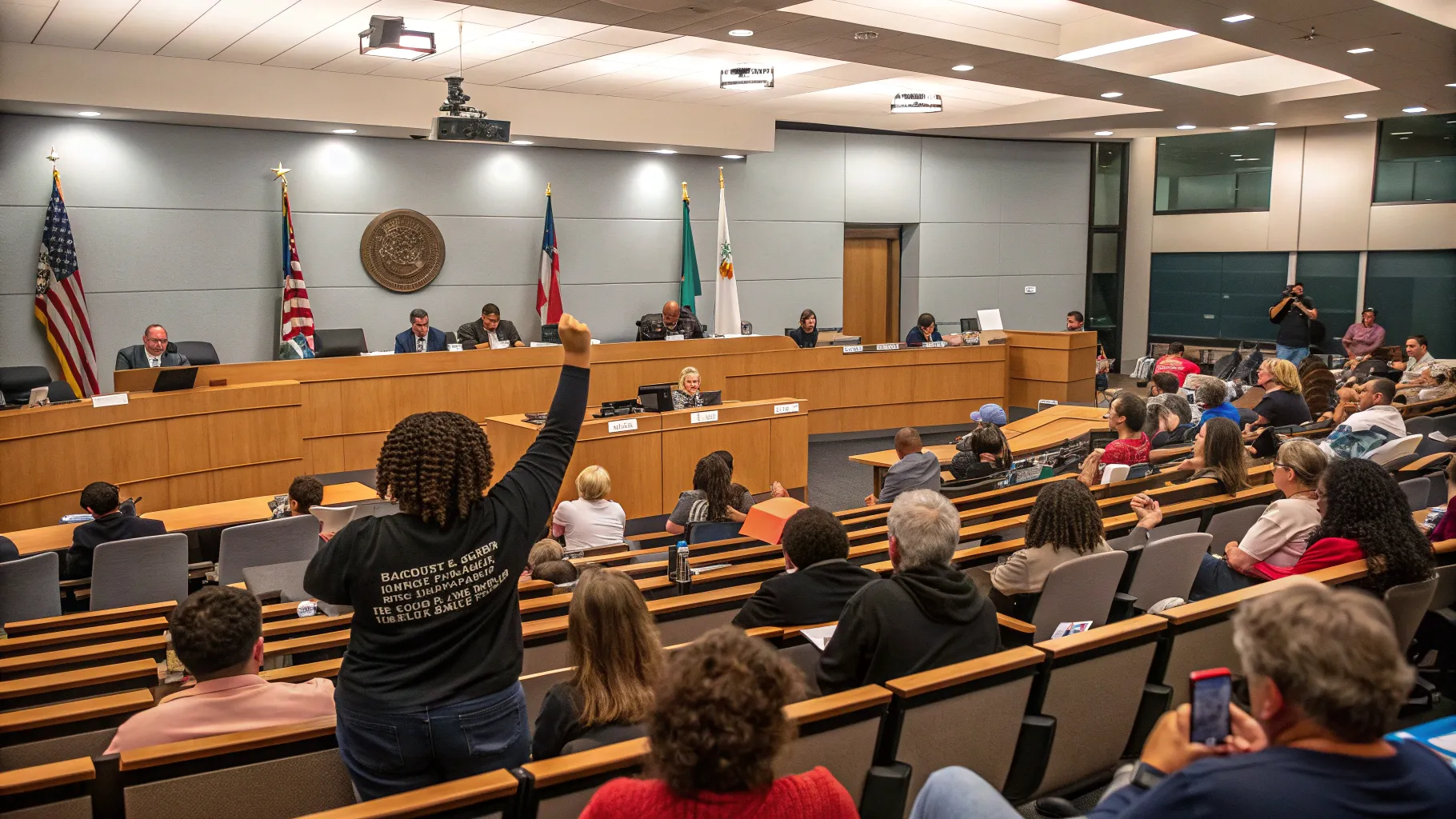
As school boards reopen old wounds from the pandemic and confront new social issues, a fresh round of disputes is reshaping classrooms and community meetings across the United States. American Culture Project senior fellow Corey DeAngelis highlighted the friction points this week, citing gender identity policies, vaccine rules, and classroom cell-phone bans as flashpoints.
The discussion reflects an ongoing tug-of-war over who sets school norms, how public health guidance should be applied in classrooms, and what role parents play in decisions about their children. These debates are unfolding in districts large and small, often with immediate effects on school policy and student life.
Background: From Pandemic Policy to Culture Debates
School policy battles intensified during COVID-19, when pressure over closures, mask mandates, and learning loss turned board meetings into political battlegrounds. Those conflicts did not end with the health emergency. Instead, they shifted to issues of identity, curriculum transparency, and student conduct.
Many districts now face competing demands from parents, teachers, and students. Some seek clearer parental notification rules and limits on social media in the classroom. Others push for inclusive policies that protect student privacy and maintain access to health services in school settings.
“American Culture Project senior fellow Corey DeAngelis addresses the many topics currently conflicting school districts across the nation including gender identity, vaccine mandates, cell-phone bans and more.”
Gender Identity Policies: Privacy and Parental Rights
Gender identity policies sit at the center of high-profile board votes. Advocates for stricter parental notification say families should be informed about changes in a student’s name or pronouns at school. They argue that parents need a seat at the table when students seek support.
Opponents caution that mandatory disclosure can put vulnerable students at risk and may conflict with federal civil rights protections. School attorneys in several states have warned districts to align policies with both state law and Title IX guidance as it evolves.
DeAngelis raised the issue as emblematic of a broader divide over who holds authority inside school walls. Supporters of his view tend to prioritize transparency and parental consent. Critics say schools must balance family involvement with student safety and nondiscrimination.
Vaccine Mandates: Health Guidance Meets Local Control
Vaccine rules remain a sensitive topic after years of pandemic disruptions. While most districts have stepped back from emergency-era mandates, immunization requirements for childhood diseases are still a fixture in many states. Public health officials argue they are necessary to prevent outbreaks.
Parents challenging vaccine policies say mandates limit family choice and can remove students from classrooms. Administrators often sit between state regulations and local expectations. They must ensure compliance while trying to keep attendance high and avoid new health crises.
The debate now focuses less on COVID-19 and more on long-standing school immunizations. Districts weighing policy tweaks are watching state legislatures and health agencies for clarity.
Cell-Phone Bans: Distraction, Discipline, and Safety
Cell-phone bans are gaining traction as educators report that constant notifications disrupt learning. Some schools require phones be stored in lockers or sealed pouches. Teachers say attention improves and classroom conflicts drop when devices are out of reach.
Parents and students counter that phones are vital for safety and coordination, especially after school or during emergencies. Districts are testing compromise rules, such as allowing devices at lunch but not in class.
- Supporters of bans cite reduced distraction and bullying.
- Opponents emphasize safety, access to information, and family contact.
What Stakeholders Are Watching
Teachers ask for clear, consistent rules they can enforce without escalating tensions. Parents push for more influence over sensitive decisions. Students, often left out of policy design, want predictable expectations that match daily realities.
DeAngelis’s remarks reflect a growing call for policy shifts centered on parental authority and academic focus. Others push for protections that keep schools welcoming for every student, regardless of identity or health status.
The Road Ahead
District leaders face a tight balancing act: follow state and federal guidance, respect community values, and keep classrooms focused on learning. The next few months are likely to bring more board votes on phone use, parental notification, and health requirements.
The core question remains who decides the rules of school life. For now, local boards are the arena where those decisions are made, one meeting at a time.
As these debates continue, families should track upcoming board agendas, understand their state’s legal framework, and engage early in policy drafts. The outcome will shape how students learn, how teachers teach, and how communities define their schools.

Kirstie a technology news reporter at DevX. She reports on emerging technologies and startups waiting to skyrocket.