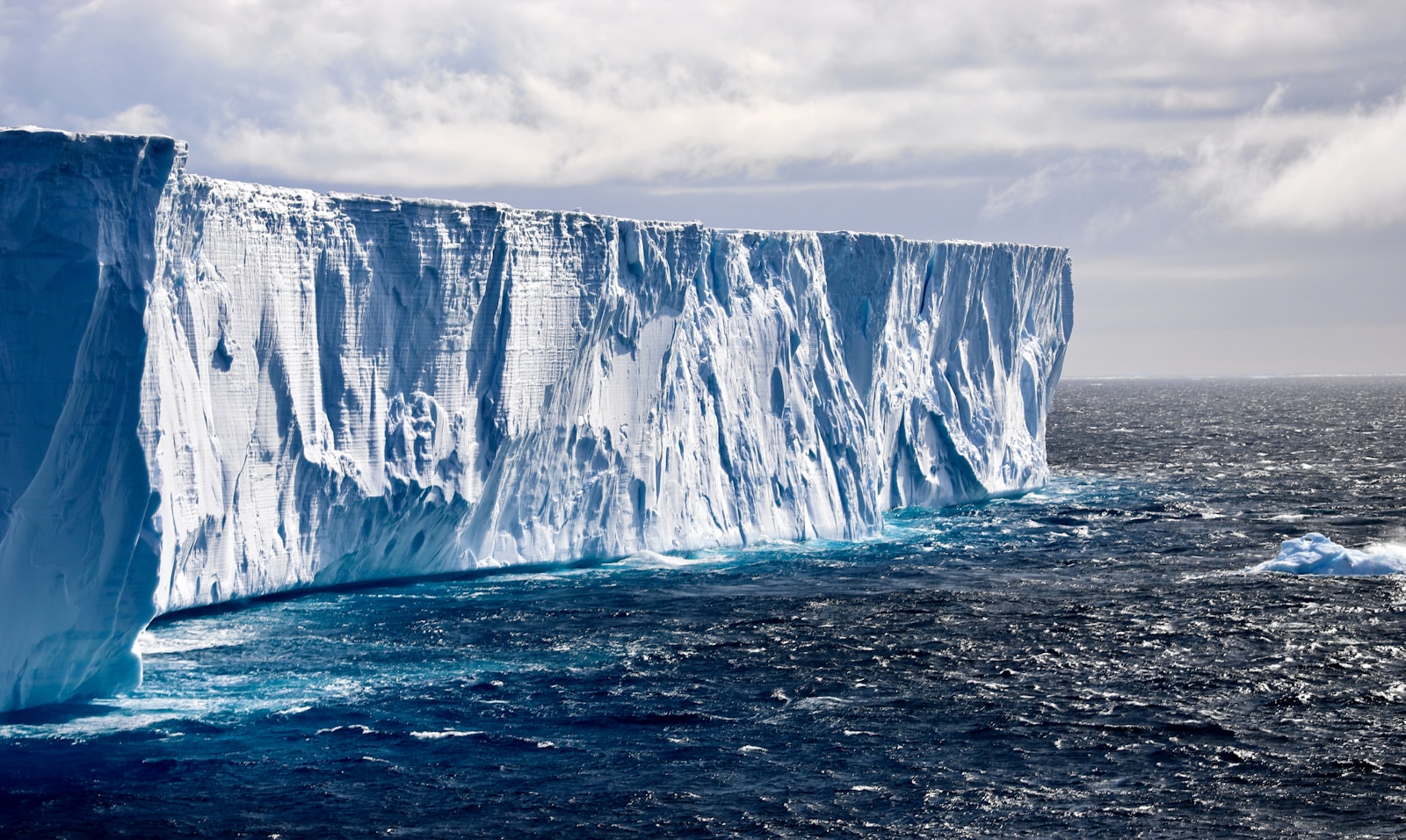
Scientists have made an incredible discovery while exploring a newly revealed section of seafloor in Antarctica. In January, a massive iceberg the size of Chicago broke away from an ice shelf, providing researchers with a rare opportunity to investigate previously inaccessible areas. An international team of scientists quickly changed their expedition plans to study the depths below the Bellingshausen Sea.
Using a remotely operated vehicle called SuBastian, they plunged to a depth of around 1,300 meters. What they found was a thriving ecosystem teeming with underwater plant and animal life. Sea sponges, anemones, octopi, icefish, and giant sea spiders were among the creatures observed, some of which may have been flourishing there for centuries.
“We didn’t expect to find such a beautiful, thriving ecosystem,” said expedition co-chief scientist Dr. Patricia Esquete.
Thriving ecosystem beneath Antarctic ice
“Based on the size of the animals, the communities we observed have been there for decades, maybe even hundreds of years.”
The research team was particularly surprised by how this ecosystem thrived without nutrients raining down from the water above. They speculated that ocean currents might be supplying the necessary nutrients. One of the most striking discoveries was a giant phantom jelly (Stygiomedusa gigantea).
This mauve-colored jellyfish can grow to an enormous size, with a bell over one meter across and four ribbon-like arms extending more than 10 meters. It is a rare and mysterious deep-sea species, documented fewer than 150 times. Studying the seafloor is driven by a sense of wonder for the diversity of life on our planet, but it also has important environmental implications.
Understanding how this vast, unseen part of the planet functions can help better manage resources, assess human impact, and develop strategies to protect the environment. Similar deep-sea research is being conducted in other parts of the world, such as Papua New Guinea and New Zealand, uncovering new species and providing insights into marine conservation. These discoveries underscore the importance of protecting ocean ecosystems and the need for ongoing deep-sea research to reveal the secrets of our planet’s largely unexplored underwater world.
Image Credits: Photo by 66 north on Unsplash

Cameron is a highly regarded contributor in the rapidly evolving fields of artificial intelligence (AI) and machine learning. His articles delve into the theoretical underpinnings of AI, the practical applications of machine learning across industries, ethical considerations of autonomous systems, and the societal impacts of these disruptive technologies.