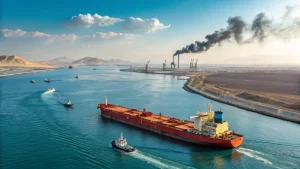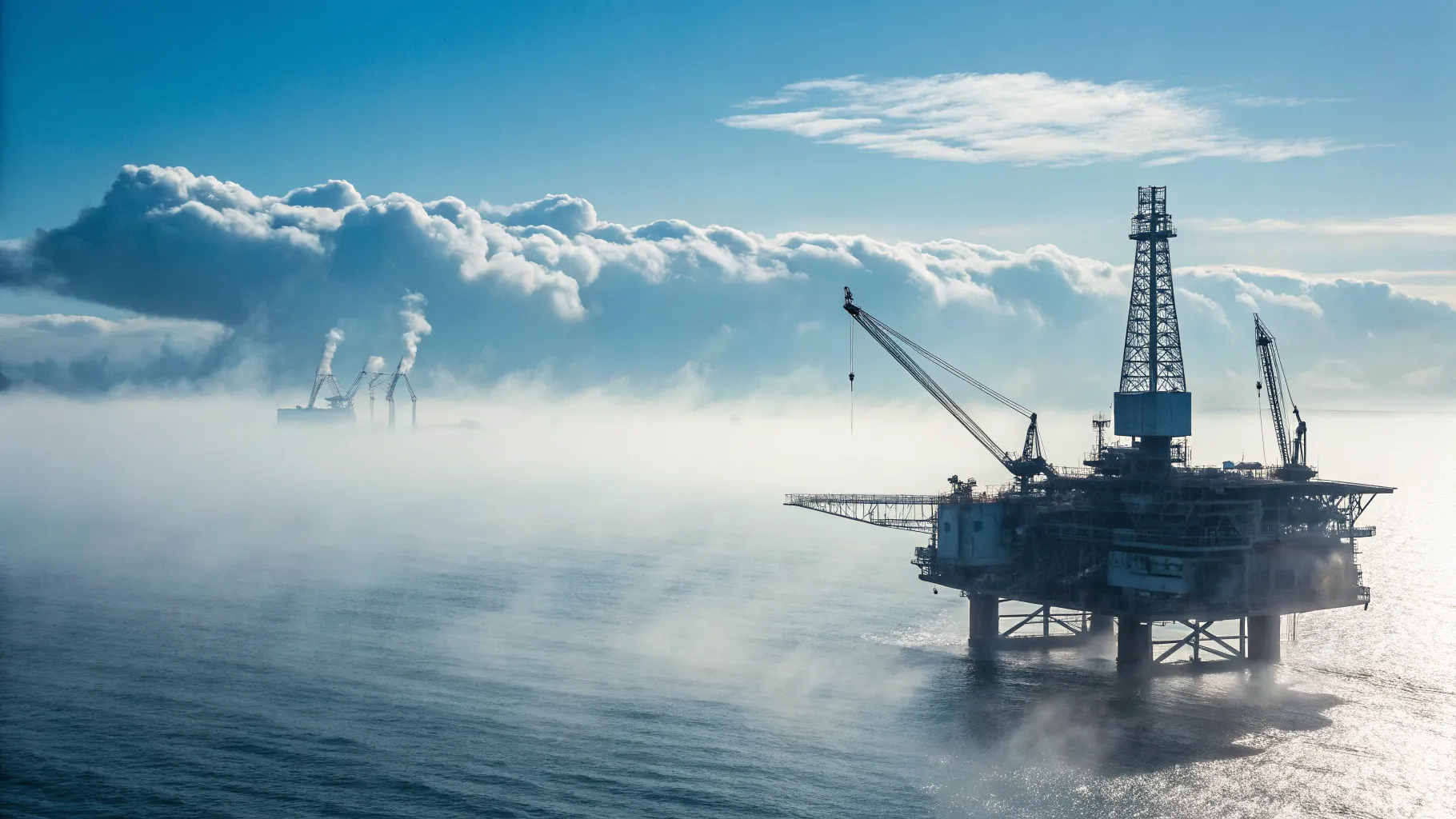
Shell, the largest offshore oil producer in the United States, said this week it has pushed back two new wells at its Perdido development in the Gulf of Mexico to the end of the year, while one well started producing in March. The decision adjusts the company’s near-term growth plan at a key deepwater hub that has been central to its U.S. output for more than a decade.
The three wells are part of Perdido’s Great White unit and were expected online in April. Together, they were designed to add up to 22,000 barrels of oil equivalent per day at peak rates. Perdido began production in 2010 and can handle up to 125,000 boepd at peak capacity.
Project Update and Timeline
Shell confirmed the schedule change and the partial startup in a statement this week. It did not provide reasons for the delay. Deepwater projects often face timing shifts due to subsea work, vessel availability, and weather windows. The Gulf’s spring storm season and tight supply chains have complicated timelines across the sector in recent years.
“Two of its wells to boost production at the Perdido offshore development were delayed to the end of the year, while one was brought online in March.”
“All three wells, part of Perdido’s Great White unit, were originally expected to be online in April and set to produce up to 22,000 barrels of oil equivalent per day (boepd) at peak rates.”
Perdido continues to operate with significant spare capacity to absorb new volumes as they arrive. The hub can ramp as additional wells and tie-backs come online, helping stabilize output even when individual projects shift.
Background: Perdido’s Role in the Gulf
Perdido sits in ultra-deep waters of the western Gulf of Mexico and hosts production from several fields, including Great White. Since startup in 2010, it has served as a cornerstone for Shell’s U.S. offshore portfolio. The Gulf of Mexico supplies roughly 15% of U.S. crude oil output, according to federal data, and remains a steady source of barrels due to long project lives and low decline rates.
Shell’s position as the top U.S. offshore producer reflects years of investment in hubs like Perdido. The company has paired large host platforms with subsea wells to extend field life and spread costs over time. New wells at mature hubs can be lower risk than greenfield projects because infrastructure is in place.
Implications for Supply and Operations
The delay shifts expected barrels into late 2026, smoothing production growth rather than removing it. At peak, the three-well program would add about 18% of Perdido’s nameplate capacity if fully realized, offering a meaningful uplift for the platform’s utilization.
Market impact should be limited. A potential 22,000 boepd swing is modest in a global market above 100 million barrels per day. However, for the operator and partners, timing affects cash flow and maintenance planning. Spreading new volumes over a longer window can ease operational strain and allow for phased commissioning.
Analysts often view such schedule changes as manageable within deepwater programs. Projects in ultra-deepwater rely on specialized rigs, subsea trees, and umbilicals that must align precisely. Minor shifts can prevent bigger issues later, especially when integrating new wells into a live hub.
Key Figures
- 2 wells delayed to year-end
- 1 well started in March
- 22,000 boepd potential peak from the three wells
- 125,000 boepd Perdido peak capacity
What to Watch Next
Attention now turns to the ramp-up of the well that started in March and the readiness of subsea systems for the remaining two wells. Any updates on tie-in work, equipment testing, or regulatory clearances will shape the year-end outlook. Shell did not detail the ramp schedule for the producing well.
“Perdido, which began production in 2010, has an output capacity of 125,000 boepd at peak rates.”
Investors will look for the impact of the staggered startups on fourth-quarter volumes and 2027 guidance. If the two delayed wells reach steady state near year-end, Perdido could exit the year with stronger utilization and a cleaner run-rate into 2027.
For now, the production path remains intact, but on a revised clock. The near-term lift from the March startup offers a bridge. The year-end target for the other two wells, if met, would keep Perdido on track as a central piece of Shell’s U.S. offshore plan.

Kirstie a technology news reporter at DevX. She reports on emerging technologies and startups waiting to skyrocket.