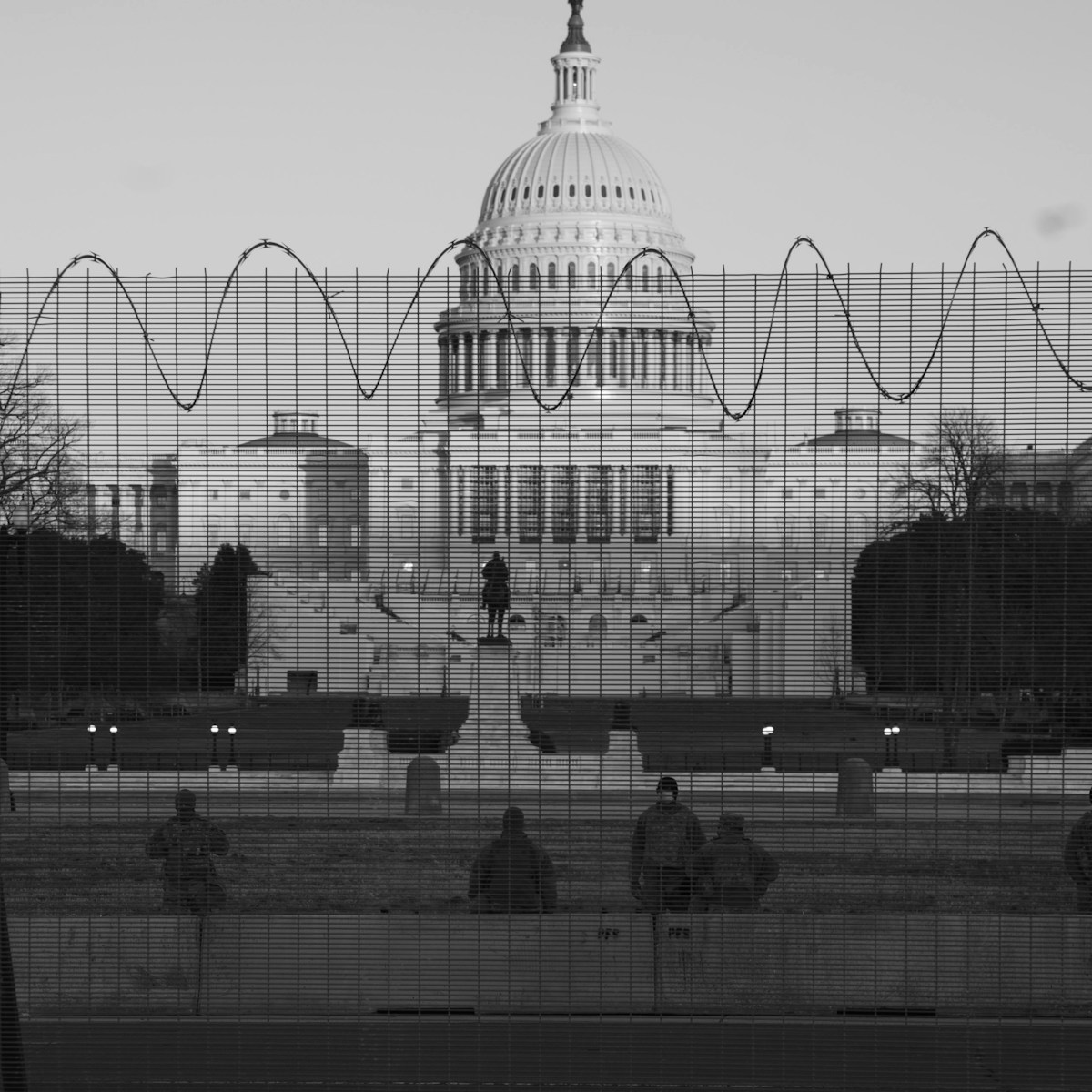
As the federal shutdown reaches its 33rd day, Republican lawmakers say the president is growing eager to end the impasse, sharpening the pressure on negotiators in Washington. The standoff has closed or curtailed key government operations across the country, left workers without pay, and raised questions about how long both sides can hold their positions.
Republicans describe the mood inside the White House as urgent. Democrats have not confirmed that assessment, and blame remains a point of dispute. The immediate question is what compromise, if any, could break the deadlock and reopen the government.
How the Shutdown Reached This Point
Shutdowns occur when Congress and the White House fail to agree on funding bills. Agencies without full-year appropriations must stop nonessential work. Essential services continue, often with staff working without pay until funding resumes.
This closure has stretched into a second month, placing it among the longest in modern history. The last record was a 35-day closure in 2018–2019. In that case, the Congressional Budget Office later estimated billions in lost economic output, with some losses never recovered.
The current standoff has followed a familiar pattern. Leaders trade blame. Agencies issue contingency plans. Workers wait for back pay. The public faces growing delays and service gaps.
Claims of Urgency Inside the White House
Republicans claim the U.S. president is “desperate” to end the shutdown.
GOP lawmakers argue that rising political and economic costs are shifting the calculus. They say the longer the closure lasts, the harder it will be to manage the fallout with voters and markets.
Administration officials have not publicly detailed the internal debate. There has been no formal confirmation of the “desperate” label. But the strain is visible in smaller ways, from contingency staffing to public statements about seeking a deal.
Impact on Workers, Services, and Business
Hundreds of thousands of federal employees are either furloughed or working without immediate pay. Contractors often face deeper uncertainty and do not always receive back pay when funding returns.
Core public services slow. Permits pile up. Inspections and audits may be postponed. Travelers can encounter delays as staff shortages ripple across operations.
- Federal workers miss paychecks and face mounting bills.
- Small firms that depend on government contracts struggle with cash flow.
- Public services such as processing benefits and permits slow or stop.
Previous closures offer a guide to the stakes. Analysts have found that extended shutdowns weigh on quarterly growth and can dent consumer confidence. Some activity rebounds once funding resumes, but not all losses are recouped.
Political Risks for Both Parties
Republicans say the president wants a swift end, signaling movement may be possible. Yet any concession risks backlash from party bases. Democrats face similar pressure not to yield without a clear policy win.
Public opinion often shifts as the pain becomes visible. Past polling has shown voters tend to assign blame to those seen as driving the standoff. That dynamic can change if one side is viewed as compromising while the other holds out.
Congressional leaders must also manage procedural hurdles. Even a short-term funding patch requires votes under tight timelines. Attaching unrelated policy provisions can complicate the path forward.
What a Deal Could Look Like
Typical endgames involve short-term funding bills to restart agencies while talks continue. Another approach is a broader agreement that pairs funding with limited policy changes to help each side claim a win.
Key questions include how long any temporary funding would last, which agencies receive priority, and whether back pay for contractors will be addressed. Oversight and accountability provisions may also feature in a final package.
Signals to Watch
There are several signs that could point to a breakthrough. Faster committee activity on appropriations bills, signals from leadership about floor votes, and more frequent White House-Capitol Hill meetings would suggest progress. Business groups and governors often increase pressure as local effects intensify.
The shutdown’s 33rd day marks a critical moment. Republicans say the president wants it resolved, though the specifics remain unclear. The path out likely runs through a limited funding deal that buys time for broader talks. What matters now is speed. Each additional day raises the costs for workers, businesses, and the public. Watch for signs of a short-term agreement, shifts in party messaging, and whether leaders start to align on a clean funding timeline. Those moves would show that an end is within reach—and that a longer fight may be avoided.

Kirstie a technology news reporter at DevX. She reports on emerging technologies and startups waiting to skyrocket.