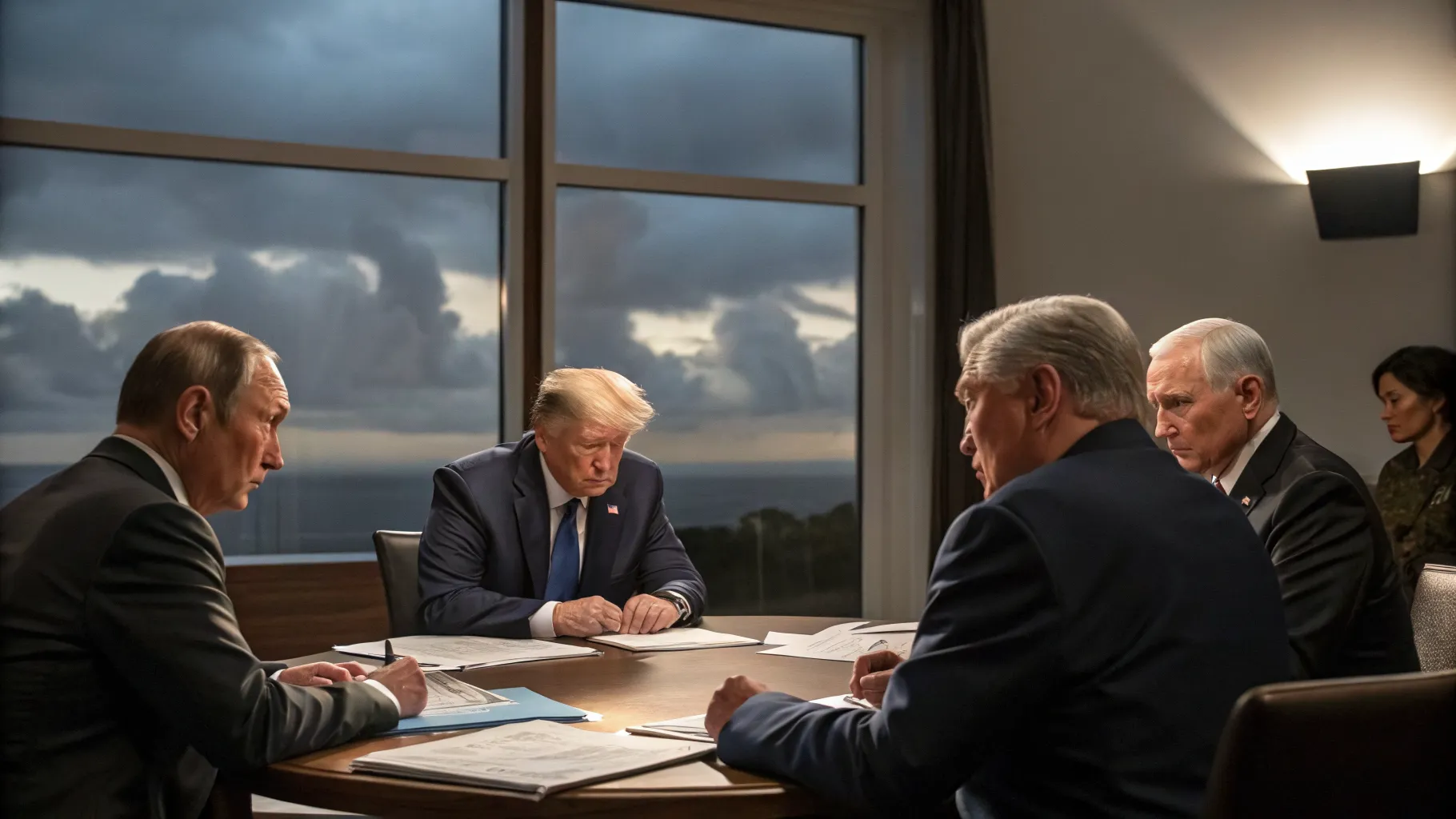
Amid renewed claims that Washington is working to halt fighting, diplomats and observers are holding back applause, wary that talk of a ceasefire might serve as cover for the next surge in violence. The hesitation, voiced in policy circles and regional media, points to a deeper trust gap over how and why ceasefire initiatives are announced, when they are timed, and who benefits in the short term.
The core dispute centers on whether public messaging about peace tracks with real pressure on armed parties to stop firing, or whether it sets the stage for regrouping and escalation. The concern is not new. It has surfaced in conflicts from the Middle East to Eastern Europe, where pauses have at times been tactical, fragile, or unevenly enforced.
Why Skepticism Runs High
Critics argue that hurried announcements, vague timelines, and shifting conditions can create a cycle of expectation and disappointment. When that pattern repeats, it erodes confidence that outside powers will follow words with sustained leverage.
“Reluctance to cheerlead alleged US ceasefire efforts reflects suspicion talk of peace could be another foil for escalation.”
Analysts point to moments when fighting eased briefly only to resume with greater intensity. In such cases, parties have used lulls to reposition forces, import supplies, or test red lines. Without verifiable monitoring and clear consequences for violations, promises can harden cynicism.
Past Lessons Shape Current Doubts
History weighs heavily on today’s reactions. In Gaza during late 2023 and early 2024, discussions of pauses tied to hostage releases and aid convoys showed the limits of short truces without a durable political track. In Syria, local ceasefires sometimes enabled evacuations and aid but often broke down when underlying disputes were not addressed. In Ukraine, the Minsk agreements aimed to halt fighting in the Donbas, yet repeated violations highlighted weak enforcement and clashing interpretations.
These cases share common threads: asymmetry on the ground, contested mediation, and a lack of shared incentives to keep fire halted. When any one of those elements is missing, the chance of relapse rises.
Competing Views on US Mediation
Supporters of US-led efforts say Washington can still be a decisive broker. They cite its ties to key actors, its ability to marshal humanitarian aid, and its influence in international forums. The argument is that public pressure, paired with quiet shuttle diplomacy, can lock in confidence-building steps.
Skeptics counter that influence without consistent follow-through is not enough. They argue that unclear red lines and fragmented messaging make it hard to deter spoilers. They also note that domestic politics in the United States can shift priorities, leaving talks exposed to partisan swings.
Regional stakeholders add that credible mediation needs broad buy-in. Neighboring states, multilateral bodies, and on-the-ground agencies must align on monitoring and aid access, or else ceasefire terms become easy to dispute.
Mechanics That Matter
Experts emphasize that the details of any pause often decide its fate. Who monitors compliance? How fast does aid move? When do detainees or hostages get released? What happens after the guns go quiet?
- Verification: Independent monitoring and clear incident reporting reduce mistrust.
- Sequencing: Timelines for aid, returns, and withdrawals must be realistic and linked.
- Leverage: Consequences for violations need to be spelled out and enforced.
- Political horizon: A path to talks lowers incentives to rearm during a pause.
Absent these elements, parties may treat a ceasefire as a tactical move rather than a step toward settlement.
Humanitarian Stakes and Public Opinion
Civilian suffering adds urgency. Aid groups warn that every delay costs lives and deepens displacement. Public opinion, both in conflict zones and in mediator countries, often swings with televised images of strikes, funerals, and shortages. That pressure can push leaders toward a pause, but it can also harden positions if communities feel promises are empty.
Transparency helps. Regular briefings on aid flows, passage points, and casualty trends can build patience for the slow work of implementation. Silence and secrecy, by contrast, feed doubts that announcements are little more than public relations.
What to Watch Next
Observers are looking for signals that separate headline diplomacy from real change on the ground. The clearest indicators include immediate reduction in shelling and airstrikes, open corridors for aid, and functioning hotlines between military commands. Early release of detainees or hostages is another tangible test.
If these steps appear quickly and hold, confidence will grow. If they stall or reverse, suspicion that peace talk masks future escalation will harden.
For now, restraint in welcoming new claims of progress reflects lessons learned the hard way. Durable calm requires more than statements. It needs enforcement, incentives, and a political path that gives all sides something to gain from silence. Without that, the next ceasefire headline may read like the last—and the guns may not stay quiet for long.

A seasoned technology executive with a proven record of developing and executing innovative strategies to scale high-growth SaaS platforms and enterprise solutions. As a hands-on CTO and systems architect, he combines technical excellence with visionary leadership to drive organizational success.