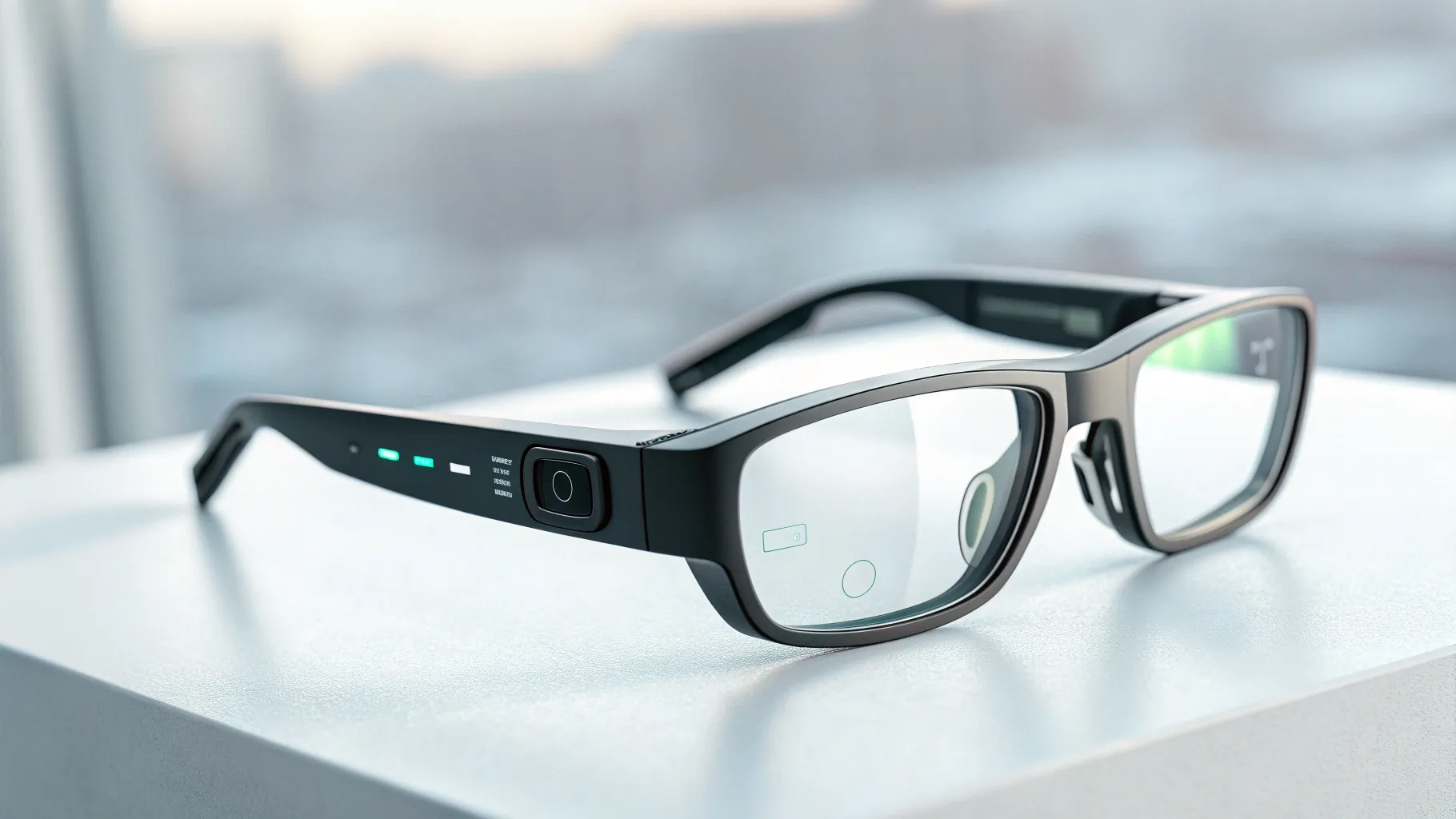
A long-awaited pair of smart glasses will not reach international markets in early 2026 as first planned, signaling fresh uncertainty for a marquee wearable product. The company signaled the delay without naming a new window, leaving retailers and developers guessing when shipments will start outside the initial market. The setback raises questions about supply, software readiness, and regulatory clearance across key regions.
The smart glasses won’t be available internationally in early 2026 as planned.
The product, which blends eyewear with connected features, had been scheduled to expand to overseas markets after a domestic rollout. The new pause affects buyers in Europe, Asia, and other regions that expected early access. It also affects app partners and accessory makers who planned around that date.
What Changed and Why It Matters
The company did not provide a detailed reason. Delays for wearables can stem from supply-chain gaps, certification issues, or software polish. Cross-border privacy rules and radio approvals can also slow launches. Any one of these can hold back a global plan.
For retailers, missed windows can disrupt inventory plans. For developers, shifting dates make it harder to align app releases and marketing. The move hints at caution from the company, which may want more time to refine features, battery life, or safety controls before a wider release.
A Market Shaped by Trial and Error
Wearable tech has had mixed fortunes. Early smart glasses experiments struggled with price, battery life, and social acceptance. Some products pivoted to niche uses in logistics and field service. Others found traction by pairing cameras and voice controls with stylish frames. That approach has grown interest but still faces privacy and comfort concerns.
Analysts say consumers now expect clear gains over regular eyewear. They want strong battery life, reliable hands-free controls, and simple setup. They also expect strong data protections. These demands raise the bar for any global rollout.
Regulatory and Supply Constraints
Global launches often hinge on meeting local rules and production targets. Radio certifications and safety marks can vary by country. So can standards for cameras and microphones in public spaces. Localization adds more work, from language support to region-specific services.
- Hardware approvals differ across regions.
- Privacy rules can limit camera features.
- Localization requires stable software and content.
- Supply gaps can push back ship dates.
Any delay in one area can ripple through a launch plan. A revised schedule might cluster approvals and shipments to reduce risk, but that takes time.
What the Delay Signals to Buyers
Customers who planned to buy in early 2026 now face a longer wait. Some may hold off on competing products. Others may switch if they see better value or earlier availability elsewhere. Pricing will remain a key factor. So will comfort, lens options, and app support.
The delay could also signal a larger software update at launch. If the company uses the time to improve voice input, add safety alerts, or extend battery life, it could soften the blow. Clear communication on feature sets and timelines would help manage expectations.
Developers and Retail Partners Reassess Plans
App makers and retail chains often build campaigns months ahead. A slip forces changes in staffing and budgets. Some developers may release regional features later than planned. Others may stage soft launches or limited pilots while waiting for wider access.
Retail partners may shift shelf space to other wearables for the first half of 2026. They could return to the glasses when dates firm up and demo units are ready. Preorder strategies may also change to avoid refunds and customer frustration.
What Comes Next
The key questions now are when a new timetable will be set and which countries will receive first shipments. Watch for signs such as regional certification filings, updates to developer toolkits, and new carrier or retail partnerships. These would point to a staged rollout plan.
The delay highlights the high stakes for smart glasses. Hitting the right mix of features, comfort, and privacy is not easy. The company is betting that extra time will produce a better launch. Buyers, partners, and rivals will be watching for the next signal on timing and scope.
For now, the message is clear. International buyers will wait longer. The next update on schedule and feature readiness will shape demand in 2026 and set the tone for the product’s global debut.

Senior Software Engineer with a passion for building practical, user-centric applications. He specializes in full-stack development with a strong focus on crafting elegant, performant interfaces and scalable backend solutions. With experience leading teams and delivering robust, end-to-end products, he thrives on solving complex problems through clean and efficient code.