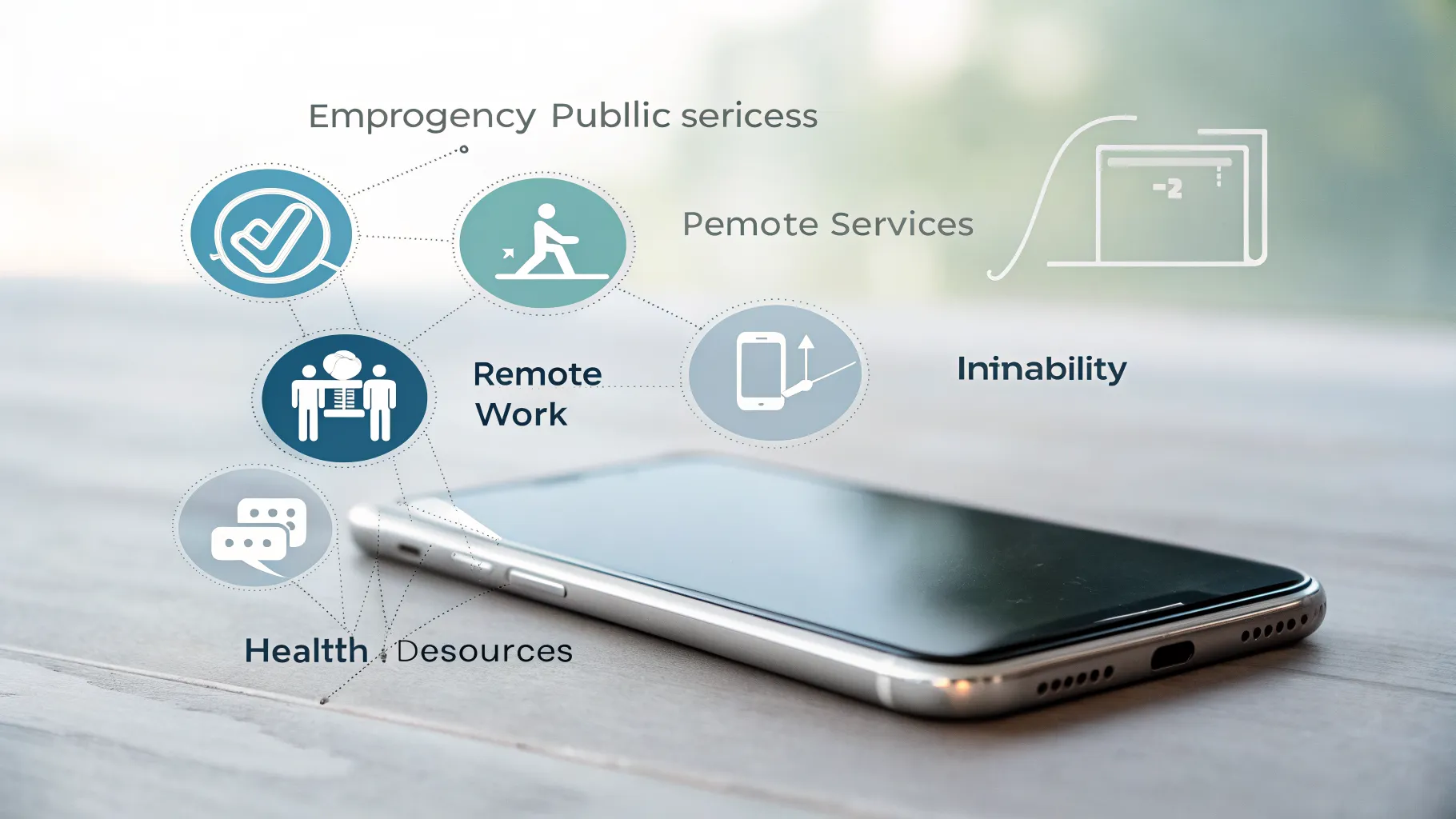
As debate over screen time grows, a wider look at evidence points to clear benefits from putting a powerful device in billions of hands worldwide. From emergency alerts to remote work, the small screen has changed public safety, health access, and economic activity in ways that are hard to dismiss.
Critics warn about distraction, social media harm, and privacy loss. Supporters point to lives saved by faster 911 calls, jobs created by app stores, and medical care that reaches rural homes. The question is not whether phones bring risks, but whether the trade is worth it. The record suggests it often is.
Background: A Global Tool, Not a Niche Gadget
Smartphones moved from luxury to necessity in little more than a decade. Industry estimates put the number of users at well over 6 billion. In many countries, a phone is the first and only computer in the home.
Mobile networks carried alerts during natural disasters, public safety warnings, and election information. App stores spawned new markets for transportation, delivery, and payments. During lockdowns, phones became a lifeline for work, school, and telehealth.
“Some might say smartphones have caused more harm than good.”
That concern is real, but the record shows broad gains alongside risks.
Public Safety and Health Access
Faster access to help is the most direct benefit. Enhanced 911 and location services let first responders find callers who cannot speak. Amber Alerts and severe weather warnings reach people within seconds.
Telemedicine visits scaled fast during the pandemic. Clinicians report that phone-based check-ins improve adherence for chronic conditions. Medication reminders, glucose monitors, and mental health apps extend care between visits.
For rural and low-income users, phones close distance gaps. Video consults reduce travel costs and time off work. Translation tools help patients talk with clinicians across languages.
Education, Work, and Daily Productivity
Low-cost access to courses, how-to videos, and language tools opened new learning paths. Students shoot lab demos, scan homework, and join study groups from home.
On the job, phones cut paperwork and speed field work. Contractors submit photos for insurance claims. Farmers check weather and market prices. Small shops accept cards with simple readers.
- Micro-entrepreneurs reach customers through messaging and short videos.
- Gig platforms offer flexible shifts, though with uneven protections.
Digital wallets and QR codes helped small vendors get paid without cash. That reduces theft risk and expands sales beyond the neighborhood.
Economic Ripple Effects
App ecosystems support millions of jobs across design, engineering, and support. Mobile advertising funds free news, maps, and email. Local delivery and ride services add earnings for part-time workers.
In regions with limited banking, phone-based payments raised participation in the formal economy. Studies link mobile money to higher household resilience during shocks.
The Risks: Attention, Privacy, and Misinformation
Phones can disrupt sleep and focus. Heavy use links to anxiety for some teens. Social feeds spread rumor and abuse at speed. Data collection can track users in ways they do not expect.
Parents and schools test screen limits, device-free times, and app filters. Health groups urge “tech hygiene”: no phones at night, notifications off by default, and breaks during work or study.
Regulators in the U.S. and Europe have tightened rules on location data, ad tracking, and youth safety. Encrypted messaging guards privacy, while also complicating law enforcement work.
Weighing the Balance and What Comes Next
Evidence points to a net gain when people can call for help, learn new skills, and earn income with a device they already own. The harms are real, yet they are tractable with better defaults and clear rules.
Expect more safety features that work on the device, not the cloud. Watch for stricter data limits, app store rules on youth content, and clearer labels for recommended screen time. Schools and employers will expand “focus modes” and phone-free zones without cutting access for emergencies.
The small computer in the pocket is not a cure-all. But it is a strong tool when paired with smart policy and simple habits. The next phase will test whether design and law can trim the downsides while keeping what works.

A seasoned technology executive with a proven record of developing and executing innovative strategies to scale high-growth SaaS platforms and enterprise solutions. As a hands-on CTO and systems architect, he combines technical excellence with visionary leadership to drive organizational success.