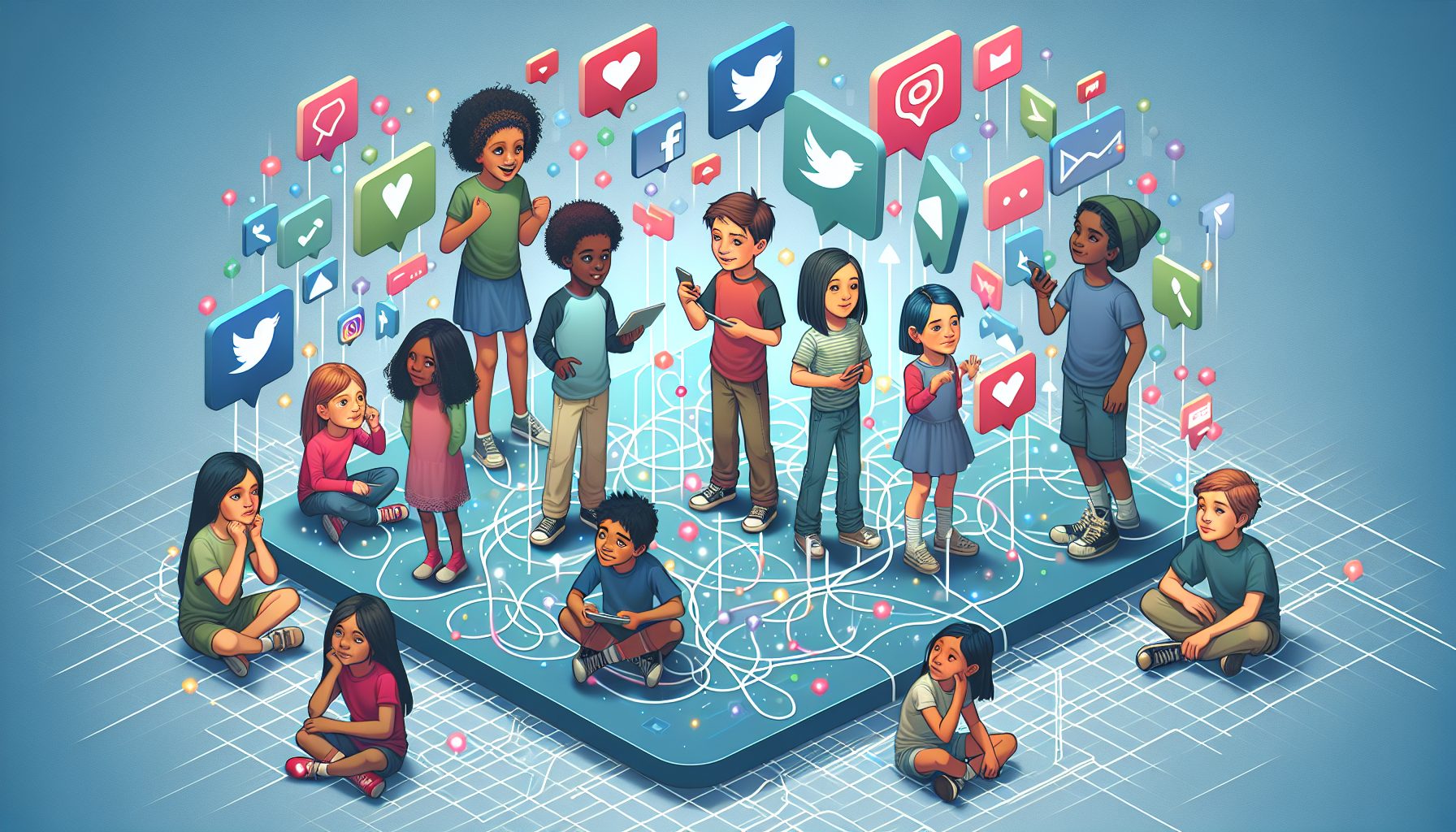
The internet and social media have become integral to our lives, but they also present new challenges for parents trying to protect their children. Surgeon General Vivek Murthy believes social media platforms should come with health warnings, highlighting the growing concerns about the risks young people face online. Research has linked social media use to feelings of anxiety and depression among young people worldwide.
While it may be tempting for parents to keep their children away from the internet, such measures are impractical in today’s digital world. Experts agree that protecting children is a shared responsibility involving government, service providers, and education systems. However, parents play a key role in navigating this modern minefield.
It’s important to remember that the internet and social media are not all bad for children. Some online spaces can benefit young people by enabling social interaction, allowing them to engage with peers, and providing outlets for creativity and self-expression. Digital mental health services have also proven beneficial, especially during the COVID-19 pandemic.
Parents should also remember that children have rights, including access to information, freedom of association, and privacy. Several countries have online safety legislation to protect kids and teens, though enforcement remains challenging. Trust and communication are crucial in parenting in the digital age.
Nurturing open, trusting, and loving communication from an early age is essential.
Protecting children’s mental health online
Developing children’s critical thinking skills enables them to analyze information rationally and become responsible digital citizens.
As students return to school, it’s the perfect time for parents to discuss social media usage and its impact on mental health. Researchers are increasingly concerned about the potential damaging effects of social media on children, including increased rates of anxiety and depression. Dr. Annie Deming, a behavioral health clinical manager, emphasized the need for adults to monitor their children’s screen time without being too judgmental. She encouraged parents to collaborate with their children to limit social media use, create tech-free zones at home, and focus on meaningful online interactions. Experts recommend that children have no access to social media until they are 14 or 15 years old and can understand the potential risks.
Once their child is allowed access to social media, parents should use parental controls to limit what their child has access to, have open conversations about the dangers of social media, and set firm boundaries. It’s also important to teach children about balancing social media use with their day-to-day lives. The American Psychological Association recommends setting rules such as limits on screen time or a no-phones rule at dinner or bedtime.
Parents and caregivers should model good digital behavior by avoiding using social media at the dinner table or limiting their screen time. Navigating social media can look different for every family, but with open communication and critical thinking, parents can help their children navigate the online world safely and responsibly. Resources are available to support children’s mental health and well-being, including conversation starters, crisis intervention services, and partial-hospitalization programs.

April Isaacs is a news contributor for DevX.com She is long-term, self-proclaimed nerd. She loves all things tech and computers and still has her first Dreamcast system. It is lovingly named Joni, after Joni Mitchell.