SpaceX’s Starship spacecraft underwent a critical static fire test this week at the company’s Starbase facility in South Texas. The test involved igniting a 171-foot-tall vehicle’s six Raptor engines, demonstrating an in-space burn capability. SpaceX shared a photo and a short video of the successful single-engine burn via social media.
The Starship preparing for our ninth flight test completed a single-engine static fire, demonstrating an in-space burn,” the company tweeted. SpaceX also conducted a six-engine static fire test on the same day with the Flight 9 upper stage. However, no public information has been released about the outcome of this test.
Standing at an impressive 403.5 feet tall, the Starship is the largest and most powerful rocket ever built. It consists of two stages: a giant booster called Super Heavy and an upper stage known as Starship.
Single-engine static fire completed
Both stages are designed to be fully and rapidly reusable, with the Starship powered by six Raptor engines and the Super Heavy by 33. To date, the Starship has completed eight test flights, two of which occurred earlier this year. The flights on January 16 and March 6 were partially successful, with the Super Heavy booster completing its task and returning to Starbase, where it was caught by the launch tower’s “chopstick” arms.
However, in both instances, the Starship upper stage exploded less than 10 minutes after liftoff. For the upcoming Flight 9, SpaceX plans to reuse the Super Heavy booster from Flight 7. Last month, the company test-fired this booster in preparation for the launch, utilizing 29 of the 33 Raptors used during Flight 7.
As SpaceX continues to push the boundaries of space exploration, the company moves closer to achieving its goal of a fully reusable and rapidly deployable spacecraft system. The successful static fire tests mark another step forward in developing the groundbreaking Starship program.
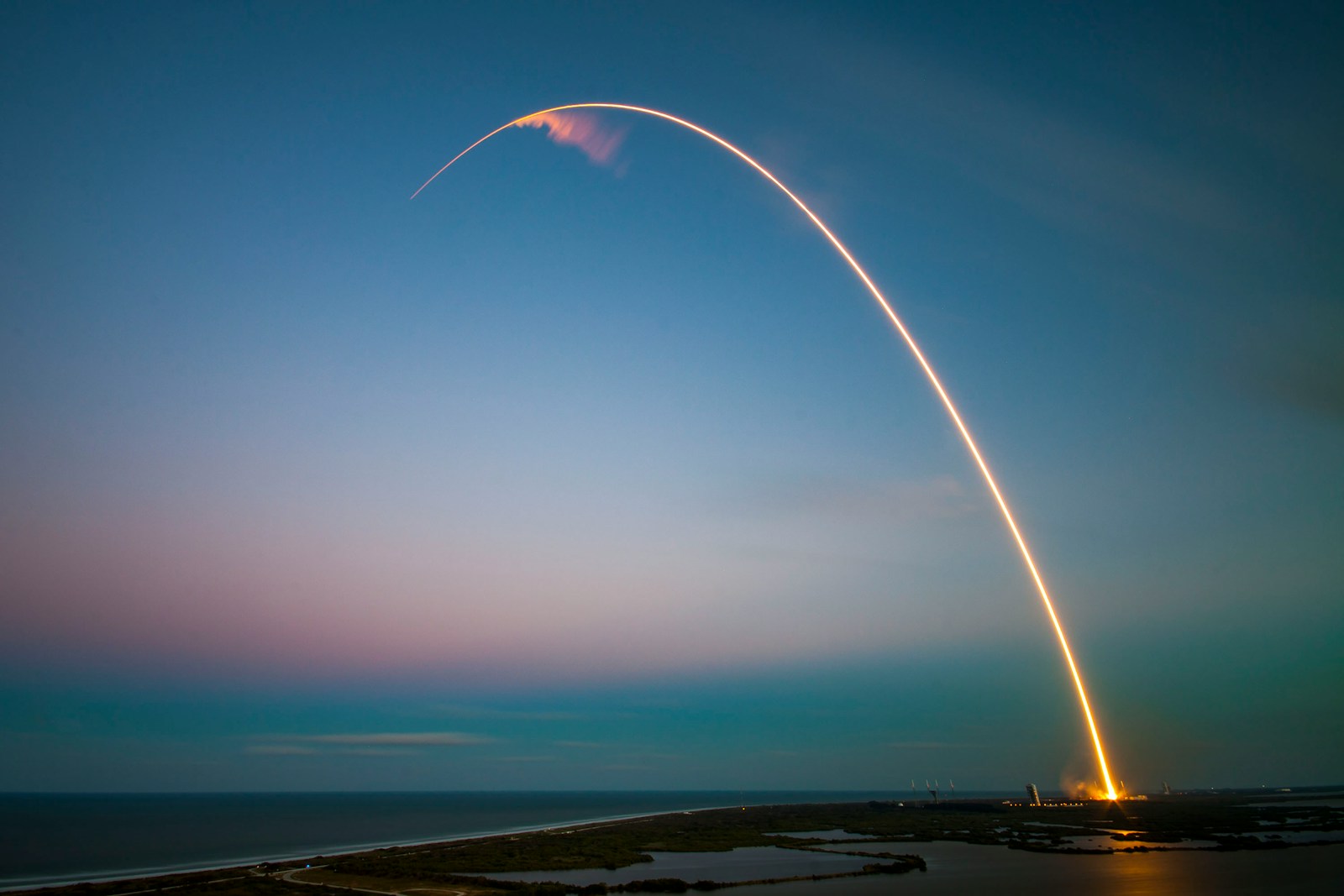
Image Credits: Photo by SpaceX on Unsplash

Cameron is a highly regarded contributor in the rapidly evolving fields of artificial intelligence (AI) and machine learning. His articles delve into the theoretical underpinnings of AI, the practical applications of machine learning across industries, ethical considerations of autonomous systems, and the societal impacts of these disruptive technologies.