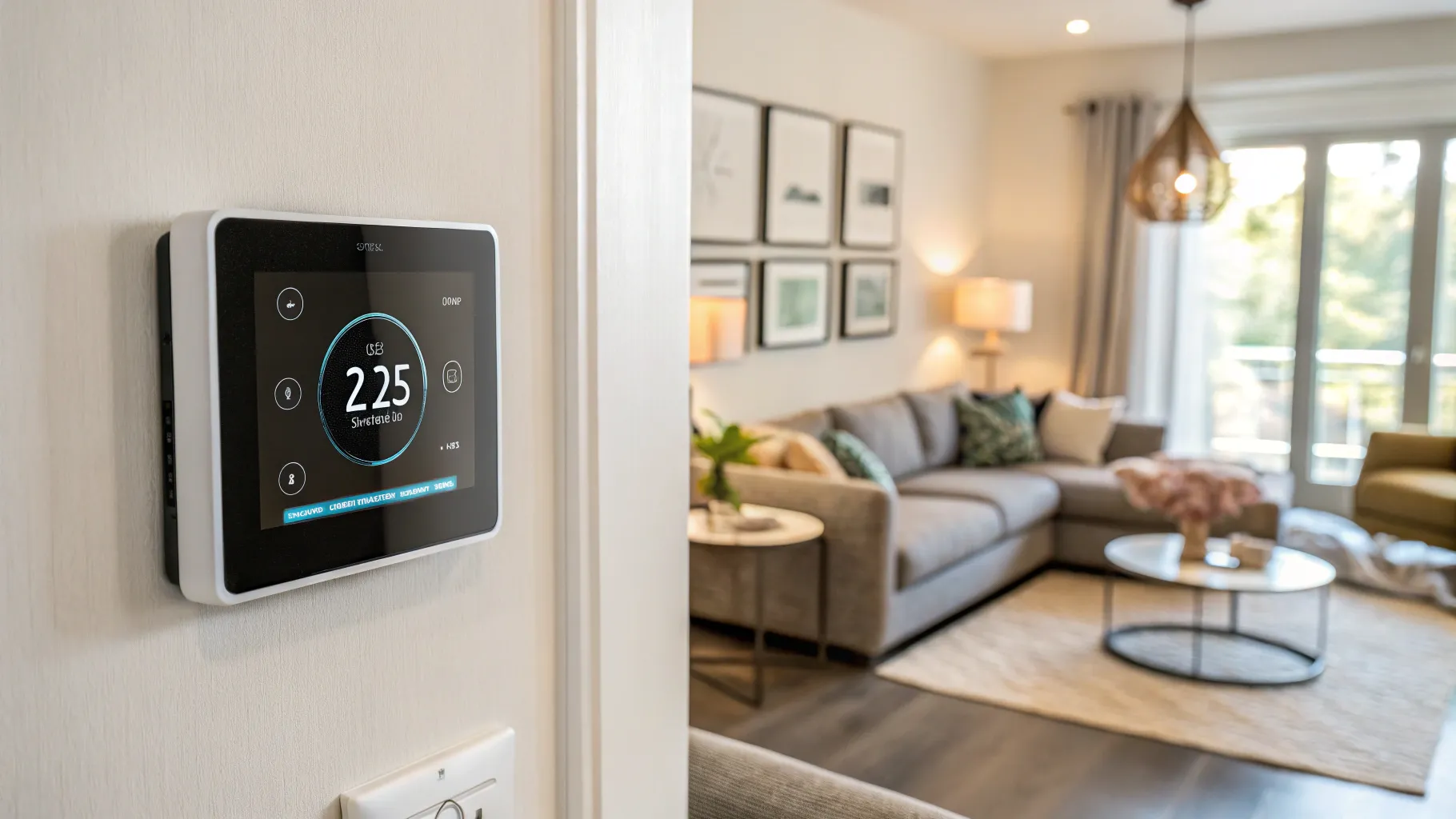
Tado is rolling out new software updates for its X platform, and subscribers to Auto Assist will not pay extra. The move signals a push to add value for existing customers and keep them engaged. The company framed the change as an immediate benefit for households that rely on automation to manage heating and cooling.
The offer applies to people already paying for Auto Assist, a service that manages key features automatically. Tado said the updates are available now and included with the subscription. That approach could help customers get more out of devices they already own.
What Is Changing
The updates are available to Tado X Auto Assist subscribers at no additional cost.
That message is short, but it carries weight. Software often defines how smart-home products work day to day. New features can improve comfort, convenience, and energy use without any hardware swap. By making these updates free for current Auto Assist users, Tado is keeping the cost of ownership in check.
Customers will likely see changes arrive through the app and device firmware. While the company has not detailed every feature here, the no-fee approach suggests the focus is on broad access rather than a paid add-on. That could boost adoption across households that may be cautious about paying more for incremental tools.
Why It Matters For Households
Energy costs have been a steady worry for many families. Smart heating can help reduce waste by running systems only when needed. Automation plays a role by adjusting schedules, responding to occupancy, and managing set points more efficiently than manual control.
When updates arrive without extra charges, users are more likely to try new functions. That can lead to better habits, like stricter schedules or smarter zoning. It also lowers the barrier for households that want to improve comfort without new hardware purchases.
The Subscription Debate
Smart-home buyers often weigh the cost of hardware against recurring fees. Subscriptions can bring advanced features, but some users push back when value is not clear. Including new updates at no extra cost is one way to make the ongoing fee easier to accept.
For companies, this model can improve retention. Customers who see steady upgrades may stick with a service longer. It also gives brands a reason to add features over time instead of saving them for a new device.
Industry Context And Trends
Many smart-home brands now deliver improvements through software rather than hardware alone. That lets owners keep devices longer while still gaining new functions. It also means the app experience is as important as the physical thermostat or sensor on the wall.
Free updates for subscribers fit into this pattern. The approach can help a company stand out in a crowded market where devices often look alike. What a product can do after a year of ownership may matter more than what it could do on day one.
What Customers Should Watch
- Check the app for update prompts and release notes.
- Test new automation features to see how they affect comfort and usage.
- Review energy reports, if available, to measure any savings.
It is also worth confirming how the updates interact with existing schedules and room settings. Small changes in defaults can affect daily routines. Users should fine-tune settings after the update to match their preferences.
Potential Impact On Energy Use
When software makes heating and cooling smarter, even modest gains add up across a season. Better control over idle time, faster responses to occupancy, and clearer insights can reduce waste. Free updates encourage experimentation with these tools, which can lead to better results.
That said, real savings depend on the home and behavior. Old insulation, drafty windows, and extreme weather can limit gains from software alone. Still, the chance to improve without extra fees is welcome for many households.
Tado’s decision to include updates with Auto Assist highlights a simple promise: pay once for the service, and keep getting more from it. For customers, the next step is to install the updates, try the new tools, and track any changes in comfort and energy use. The broader market will watch to see whether this model strengthens loyalty and sets a standard for how smart-home software should be delivered.

Kirstie a technology news reporter at DevX. She reports on emerging technologies and startups waiting to skyrocket.