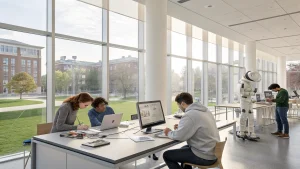
A University of Washington youth panel is calling for student input on school phone rules as districts nationwide tighten restrictions. The Youth Advisory Board, made up of teens from Seattle-area schools, says students should help shape policies that affect their learning and daily life. The debate reflects growing pressure on schools to limit smartphone use while balancing safety, equity, and family needs.
The group framed the issue in clear terms, pressing administrators to listen to student experience. Their message comes as more districts consider bans during class or the entire school day. The call adds urgency to a policy shift that affects classrooms across the country.
Student Voices Enter the Debate
“The University of Washington’s Youth Advisory Board, a group of teens from Seattle-area schools, tackled school phone policies, highlighting the need for student input.”
Members of the board argue that rules are more likely to work when students help design them. They say teens can identify practical issues, such as schedules, emergencies, and access to online assignments, that adults may miss. Their message is not a simple “yes” or “no” to phones. It is a push for fair rules and steady enforcement.
Students also describe a disconnect between policy and practice. Bans can break down by lunch, sports, or after-school hours. Clear rules, they say, should match school routines and be reviewed during the year to fix problems quickly.
Why Schools Are Tightening Rules
Concerns about distraction drive many new policies. Teachers report phones pulling attention from lessons and group work. Some schools use classroom caddies or lockable pouches to keep devices out of reach. Others block social media on school Wi‑Fi or limit use to breaks.
Research adds weight to these steps. Studies have linked phone use in class to lower focus and weaker performance, especially for students who already struggle. Safety is another factor. Schools want to reduce bullying and viral conflicts that start or spread on social media during the day.
Parents, Access, and Equity
Parents often want a fast way to reach their children. Students say that is fair, but they warn that constant messaging can disrupt class. Schools with strict bans suggest using the main office for urgent contact. That solution requires strong communication with families.
Equity also matters. Not every student can store a phone safely, and some rely on devices for translation, health needs, or public transit. The board urges schools to plan for these cases so rules do not penalize students who need limited access.
- Allow health and accessibility exceptions with staff approval.
- Explain emergency contact paths for families.
- Set clear, consistent consequences that avoid bias.
Policy Trends Across Districts
Districts in large cities and several states have moved to curb phone use during class. Some now extend limits to the entire school day. Internationally, national guidance in places like England has encouraged phone-free classrooms. The direction of travel is clear: less phone access during learning time.
Still, strict bans can be hard to enforce without staff support and parent buy‑in. Schools that pair rules with education on digital habits report smoother rollouts. Many also collect feedback from teachers and students after the first months to adjust.
What Student-Informed Rules Could Look Like
The Youth Advisory Board proposes a practical approach. Students would help draft rules, test them in a pilot phase, and review results. That process aims to reduce confusion and improve compliance.
Key elements could include limited use during lunch, clear exceptions for health and translation, and uniform discipline that does not rely on personal judgment. Regular check‑ins with student councils and parent groups would track how well the policy works.
The push from Seattle-area teens adds a needed viewpoint to a fast-moving policy change. Their message is simple: involve students early, plan for real classroom needs, and adjust as problems surface. As more districts weigh full-day bans and new enforcement tools, the next test will be execution. Watch for schools to pair tighter rules with student feedback, clear family communication, and data on learning and behavior. The choices made this year could shape how classes handle phones for years to come.

Senior Software Engineer with a passion for building practical, user-centric applications. He specializes in full-stack development with a strong focus on crafting elegant, performant interfaces and scalable backend solutions. With experience leading teams and delivering robust, end-to-end products, he thrives on solving complex problems through clean and efficient code.