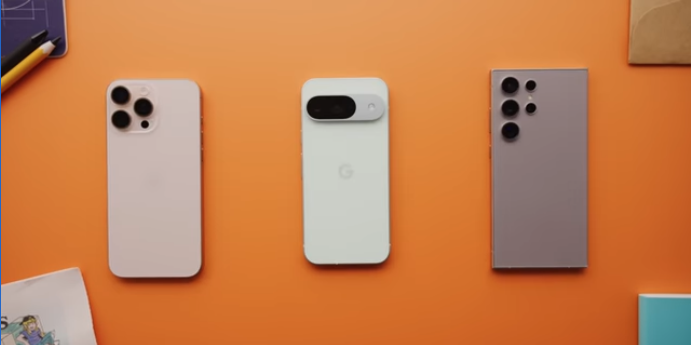
For one week, I observed two tech enthusiasts who swapped their smartphones for what we might call “finite scrollers”—devices that slow you down without completely cutting you off from essential apps. The results were fascinating and revealed a strange paradox about our relationship with technology.
The Middle Ground Between Smart and Dumb
Most people seeking digital detox go straight for “dumb phones” like the Light Phone—devices that eliminate social media but also sacrifice WhatsApp, Slack, email, and navigation apps. Others try to restrict their existing smartphones, but temptation remains just a tap away.
The two devices our team tested occupied an interesting middle ground:
- The BOOX Palma 2: An e-reader that runs full Android with an e-ink display
- The Minimal Phone MP01: A cellular device with a physical keyboard running Android 14
These devices promise the best of both worlds—access to essential apps without the addictive design elements that keep us scrolling for hours.
The Frustrating Reality
Within thirty minutes of setup, it became clear these devices would present significant challenges. The BOOX required complex configuration to receive notifications while asleep, and when it did, battery life plummeted from 3-4 days to just one.
The Minimal Phone proved even more problematic. Despite claims of supporting all US carriers, it’s actually “a lottery” whether your carrier works. One tester had to purchase an entirely new line from Boost Mobile after failing to connect with his existing carrier.
“It fulfills the goal of making this annoying so you use it less. So I guess that’s cool.”
Navigation became particularly challenging. The black-and-white screens made map colors indistinguishable, and GPS updates were frustratingly slow. Even basic tasks like tapping to pay for subway fare became impossible without a smartphone.
The Unexpected Benefits
Despite these frustrations, both testers reported feeling better after just one week. They noticed how much short-form content they’d been consuming and felt the constant impulse to check their phones—an addiction they hadn’t fully recognized before.
One tester described a family barbecue where, instead of constantly pulling out his phone, he was fully present. “I felt more connected to everyone in the moment,” he noted. “I feel more connected to the people that I’m with and less connected to the people that I’m not with.”
The e-ink displays made doom-scrolling far less appealing. As one tester put it: “Because it is a hassle to use, it almost negates the addictiveness of it.”
The Dumb Phone Paradox
Here’s the strange contradiction I observed: The people most likely to be interested in these devices are tech enthusiasts who care about displays, hardware, and software integration—the very people who typically love smartphones.
Yet these same people are seeking ways to have less technology in their lives. How can someone simultaneously be a tech enthusiast and want to escape technology?
This is what I call the dumb phone paradox. These devices are objectively worse than regular smartphones as daily drivers. They’re frustrating, limited, and often require workarounds for basic functions.
But for those who sit in that gap between loving technology and wanting less of its influence, these finite scrollers offer a compelling middle ground. They force intentionality and mindfulness in our digital interactions.
After the experiment ended, one tester decided to continue using the Minimal Phone despite its flaws, while the other returned to his smartphone, unable to manage essential communications on the limited device.
I believe there’s something valuable in this experiment for all of us, even if we’re not ready to abandon our smartphones. Perhaps the answer isn’t a different device but a more mindful approach to the technology we already have—recognizing when it enhances our lives and when it’s simply Las Vegas in our pockets.
Frequently Asked Questions
Q: What are “finite scrollers” and how do they differ from regular smartphones?
Finite scrollers are devices that provide access to essential apps while discouraging addictive behaviors through design limitations like e-ink displays, physical keyboards, and slower refresh rates. Unlike regular smartphones, they make scrolling through social media and consuming content less appealing while still allowing access to necessary functions like messaging, maps, and email.
Q: What were the main challenges of using these alternative devices?
The main challenges included complicated setup processes, carrier compatibility issues, poor display quality for certain tasks (especially navigation), shorter battery life than advertised, and difficulty with basic functions like mobile payments. Users also experienced connectivity problems and frustration with the slower pace of completing everyday tasks.
Q: Did the testers experience any positive effects from using these devices?
Yes, both testers reported feeling more present in social situations and noticed how dependent they had become on their smartphones. They experienced greater connection with people physically present and became more aware of their impulses to constantly check their phones. The devices effectively reduced mindless scrolling and content consumption due to their less engaging displays.
Q: Would these devices work for the average smartphone user?
Probably not. These devices require a specific type of user who both appreciates technology and wants to limit its influence. For most people who simply want a functional phone, these alternatives would be too frustrating and limiting. However, they might be perfect for tech enthusiasts who are concerned about their digital habits and willing to sacrifice convenience for more mindful technology use.