The future of film-making is being shaped by artificial intelligence (AI). AI is already impacting the industry in various ways, from filling gaps in archival footage to de-aging actors. However, the adoption of AI has been mixed, with concerns ranging from ethics to legal liabilities.
Rachel Antell, an archival producer, noticed AI-generated images mixed with authentic photos. This raised questions about transparency when using such technology. Antell and colleagues formed the Archival Producers Alliance (APA) to develop best practices for using generative AI in factual storytelling.
The ethical concerns are especially pronounced in documentary filmmaking. Issues surrounding AI-generated archival photos sparked debates reminiscent of the controversy around mimicking Anthony Bourdain’s voice in the film “Roadrunner.”
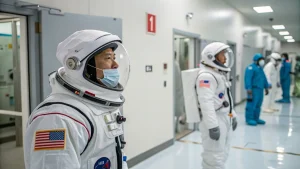
Advancements in AI have also been employed in major studio productions. Robert Zemeckis’s upcoming film “Here” uses advanced de-aging technology developed by AI firm Metaphysic and the Hollywood agency CAA.
This allows actors to transform into younger versions of themselves.
The impact of AI in filmmaking
For artists like Kathryn Brillhart, a cinematographer and director, the key is to “get ahead of the game” with open-source tools while navigating the legal and ethical terrain.
Current AI models are often assistive rather than replacements for artistic input. The generative AI revolution is likened to the digital revolution that preceded it. This shift means that artists will need to pivot and adapt, mixing new skills with traditional ones.
Brillhart suggests there will be a “forced learning curve” with growing pains as the industry evolves. Generative AI also opens new possibilities for nonfiction storytelling. David France, an investigative journalist and filmmaker, used AI in his 2020 documentary about the persecution of LGBTQ+ people in Russia.
By mapping actors’ faces over real subjects, he maintained anonymity and protected his subjects from harm. The use of AI in film-making brings both promise and peril. It presents new avenues for creativity and efficiency, but also poses significant ethical questions.
As the industry grapples with these challenges, filmmakers and artists must find a balance to use AI responsibly while preserving the trust and integrity of their work.

April Isaacs is a news contributor for DevX.com She is long-term, self-proclaimed nerd. She loves all things tech and computers and still has her first Dreamcast system. It is lovingly named Joni, after Joni Mitchell.