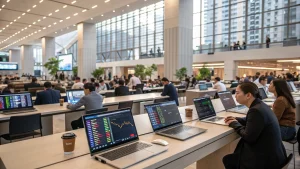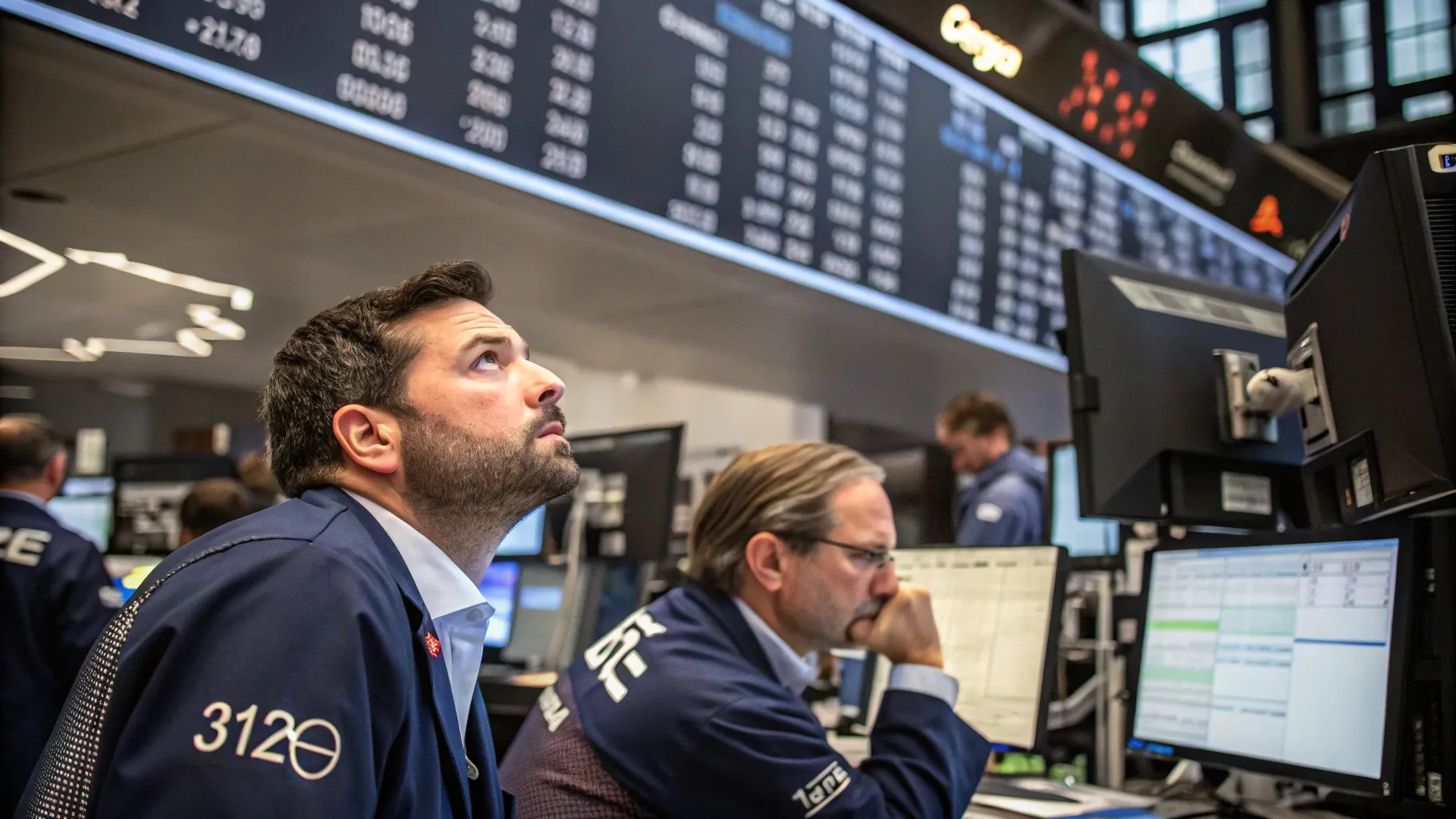
U.S. stocks fell Friday after President Donald Trump threatened higher tariffs on imports from China, reviving concerns that a trade fight could spread and slow growth. The sell-off hit major indexes at the open and pressured sectors tied to global demand, as investors weighed the risk of new barriers on goods and a fresh round of retaliatory steps from Beijing.
US stocks dropped lower Friday after President Donald Trump threatened to hike tariffs on US imports from China, reigniting fears of a trade war that rocked global markets earlier this year.
The move renewed the question facing traders since the first tariff salvos were fired in recent years: how far each side will go and how much damage markets can tolerate. The timing also matters for companies preparing year-end guidance and supply orders.
Market Reaction and What Moved
Early declines were led by exporters, manufacturers, and chipmakers with exposure to Chinese supply chains. Banks slipped as bond yields eased, reflecting a flight to safety. Defensive shares, including utilities and consumer staples, held up better as investors sought stable cash flows.
Futures signaled weakness before the opening bell, then losses widened as headlines about possible tariff levels circulated. Traders said liquidity was thin, which can exaggerate swings on policy news.
- Export-focused firms faced the sharpest selling.
- Safe-haven assets attracted bids as risk appetite fell.
- Volatility gauges rose, signaling demand for protection.
Why This Threat Matters Now
Tariff threats affect prices, margins, and hiring plans. Companies with tight inventories can face sudden cost jumps if duties appear with little notice. Many remember the earlier trade fight, when tit-for-tat duties disrupted purchasing and pushed firms to redesign sourcing.
In past episodes, U.S. and Chinese officials alternated between tariffs and talks. Markets rallied on truce headlines and slid on new duties. The pattern built a playbook for traders, but it also bred fatigue. Each new flare-up revives questions about inflation, growth, and central bank responses.
Economists warn that tariffs act like a tax on imported inputs. That can lift consumer prices and squeeze profits. The impact tends to be uneven, hitting industries with complex cross-border supply the hardest.
Inside the Trade Tensions
Washington has argued for stricter rules on intellectual property, market access, and subsidies. Beijing has pushed back on measures it sees as targeting its industrial policy. Both sides have used tariffs as leverage in talks, with rounds of duties and partial rollbacks tied to negotiating milestones.
Earlier campaigns targeted hundreds of billions of dollars in goods, including electronics, machinery, and consumer products. Companies responded by diversifying suppliers, holding more inventory, and passing some costs to customers.
Small and mid-sized firms often had fewer options. Many lacked bargaining power to force suppliers to share costs. That created a split within industries between large, globally diversified players and smaller rivals.
What Investors Are Watching Next
Market participants are focused on three variables: the size of any new tariffs, the timeline for implementation, and signs of talks resuming. Policy tone can change quickly, so investors track official statements and trade calendars closely.
Analysts say central banks could face a tougher mix if tariffs lift prices while slowing growth. That scenario complicates interest rate decisions. For now, markets still expect policymakers to prioritize stability if financial conditions tighten.
Corporate guidance will be an early test. Executives may add caution to outlooks, delay capital spending, or adjust hiring. Retailers face import timing issues ahead of holiday demand, and manufacturers may revisit orders for first-quarter deliveries.
Global Ripples
Asian and European markets are sensitive to U.S.-China trade headlines. Export hubs in technology and automotive sectors face secondary effects if supply chains are rerouted. Commodity producers can also feel the strain if industrial demand cools.
Currency markets tend to reflect the stress. Safe-haven currencies and the dollar can gain on risk-off days, while trade-linked currencies often lag. That feedback loop can amplify equity moves.
The latest tariff threat has reawakened a market worry that never fully disappeared. Investors will look for clear signals on talks, timing, and scope before committing fresh capital. Until then, swings in sentiment may continue to drive trading, and companies will plan for multiple scenarios. A negotiated path could calm markets, but the cost of uncertainty is already showing up on screens.

A seasoned technology executive with a proven record of developing and executing innovative strategies to scale high-growth SaaS platforms and enterprise solutions. As a hands-on CTO and systems architect, he combines technical excellence with visionary leadership to drive organizational success.