The Trump administration announced plans to overhaul a $42.5 billion federal grant program aimed at expanding high-speed internet access across the nation. The program, established by Congress in 2021 under the Biden administration, initially favored fiber-optic cable broadband. However, Commerce Secretary Howard Lutnick stated that the department will now adopt a “tech-neutral approach” in its fund distribution to states.
“The department is ripping out the Biden administration’s pointless requirements,” Lutnick said. He added that the Commerce Department will also work to remove regulatory barriers that slow down the construction and connection of broadband to households. Elon Musk’s Starlink satellite internet service stands to gain from the revamped rules.
Starlink, which uses low-altitude satellites to beam internet service globally, serves nearly five million subscribers and was notably used by emergency responders in North Carolina after a hurricane disrupted communications. The Commerce Department’s grant program has yet to disburse any funds.
High-speed internet grants overhaul
Republicans have criticized it as being bogged down by bureaucracy, claiming the Biden administration unfairly blocked Starlink from receiving grants. In 2023, the Federal Communications Commission rejected Starlink’s application for nearly $900 million in subsidies, arguing the company failed to meet service requirements. Brendan Carr, then a Republican FCC commissioner, opposed that decision.
He argued that the FCC had joined a “growing list of administrative agencies taking action against Elon Musk’s businesses,” which include SpaceX, Tesla, and social media company X. Public interest groups have raised concerns that the changes to the broadband program could unduly benefit Musk. “Fiber broadband is widely understood to be better than other internet options — like Starlink’s satellites — because it delivers significantly faster speeds,” commented Drew Garner, policy engagement director for the Benton Institute for Broadband & Society.
The Commerce Department did not respond to requests for further details on the plan, and Mr. Musk did not provide a comment.
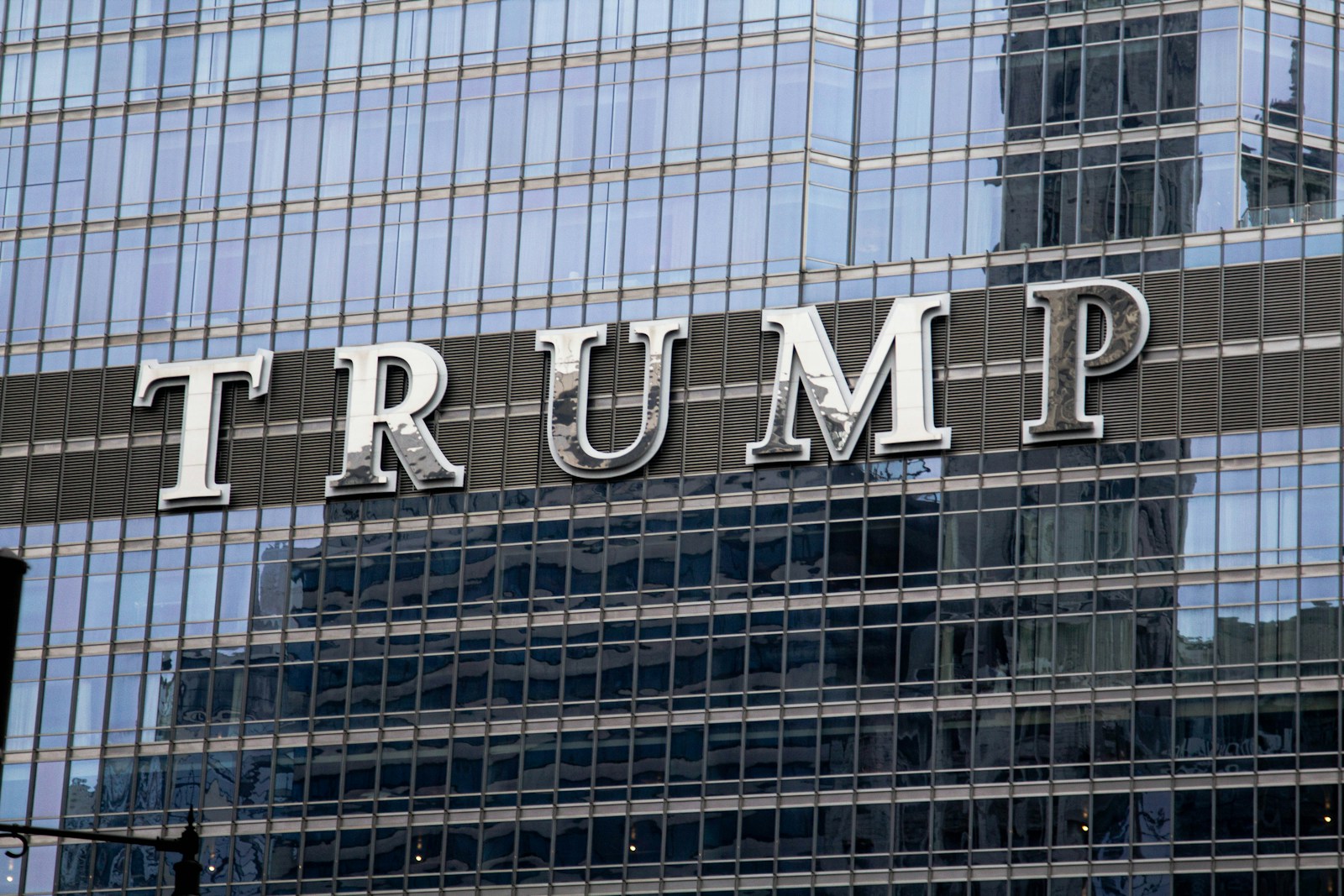
Image Credits: Photo by Mason Hassoun on Unsplash

Cameron is a highly regarded contributor in the rapidly evolving fields of artificial intelligence (AI) and machine learning. His articles delve into the theoretical underpinnings of AI, the practical applications of machine learning across industries, ethical considerations of autonomous systems, and the societal impacts of these disruptive technologies.