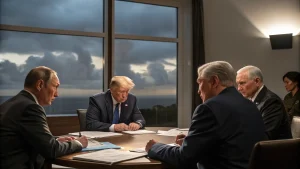
In recent remarks, former U.S. President Donald Trump criticized the card game bridge and claimed China could shut down hockey in Canada, comments that drew quick scrutiny from sports fans and policy watchers alike. The statements, made without evidence, targeted two cultural touchstones with little obvious link: a classic card pastime and Canada’s national sport.
The remarks sparked questions about how cultural industries work and what leverage foreign governments might hold over them. They also revived debate over Trump’s history of sharp language on China and his habit of using dramatic warnings to make political points.
What Was Said
China would “terminate” hockey in Canada.
Trump also spoke disparagingly about bridge, the trick-taking card game played in clubs and tournaments worldwide. He did not explain why he connected these topics or how China could disrupt hockey operations in another country.
Context on China, Canada, and Sports
Canada’s hockey system is rooted in domestic leagues, community rinks, and long-standing institutions. The National Hockey League (NHL) includes seven Canadian teams and is governed by private ownership groups and league bylaws based in North America. Youth and amateur hockey are supported by local associations and national bodies.
China has invested in international sports in the past, including event hosting and sponsorships. But it holds limited direct control over Canadian sports infrastructure. Trade or diplomatic frictions can affect sponsorships, travel, and markets, yet they do not grant a foreign state power to halt a sport in another sovereign nation.
Trump’s warning follows years of tense U.S.-China relations over trade, technology, and security. His rhetoric often frames China as a strategic threat. Critics say this style blurs lines between guarded policy positions and unverified claims. Supporters say the language signals toughness and puts pressure on geopolitical rivals.
Hockey’s Economic and Cultural Footing
Hockey in Canada spans local community programs and professional teams with major TV rights deals. Facilities, coaching networks, and fan demand make the sport durable even in economic downturns. Changes in broadcasting, sponsorship, or ticket sales can cause strain, but the sport’s base remains domestic.
Foreign sponsorship money can shape team finances and marketing. However, Canadian hockey’s core revenue streams—ticketing, regional media rights, merchandising, and local partnerships—are anchored in North America. That reduces exposure to direct foreign control.
Bridge Becomes an Odd Target
Trump’s criticism of bridge was striking. Bridge is popular among older players and competitive clubs and is known for strategy and social play. It has no apparent connection to Chinese policy or to hockey governance.
The aside fed speculation that the comments were rhetorical flourishes rather than policy proposals. It also highlighted how cultural references can be used to provoke reactions and earn attention, even when the link to public policy is unclear.
Fact-Checking the Claim
- Canada regulates its sports bodies and teams under domestic law.
- The NHL is a North American league with independent governance.
- Foreign states lack direct authority over Canadian sports operations.
Experts often note that external pressure could affect specific inputs, such as equipment supply chains or international events. Yet those concerns do not equal the ability to “terminate” a sport across an entire country.
Political Impact and Public Reaction
The remarks fit a pattern of sweeping pronouncements that energize supporters and draw criticism from opponents. For voters focused on foreign policy and national strength, bold warnings can sound like vigilance. For others, they raise alarms about misinformation and the blurring of entertainment and policy.
Sports officials and teams typically avoid direct political fights to protect fan bases and sponsorships. Still, they often stress that governance and competition rules are set by leagues and associations, not by foreign governments.
What to Watch Next
Any follow-up from Trump’s camp could clarify whether the claim reflects a policy position or a rhetorical jab. Observers will look for references to specific trade actions, sanctions, or media rights deals that might relate to hockey or sports commerce more broadly.
On the Canadian side, league statements or government comments could reinforce the independence of sports bodies and their funding sources. The business of hockey—arena deals, media contracts, and youth development—continues to move on timelines set by teams and broadcasters.
The broader takeaway is simple. Claims about foreign control over national sports should be tested against how leagues operate and who writes the checks. In this case, hockey’s roots in Canada appear strong, and bridge’s place at the card table remains untouched by geopolitics.

A seasoned technology executive with a proven record of developing and executing innovative strategies to scale high-growth SaaS platforms and enterprise solutions. As a hands-on CTO and systems architect, he combines technical excellence with visionary leadership to drive organizational success.