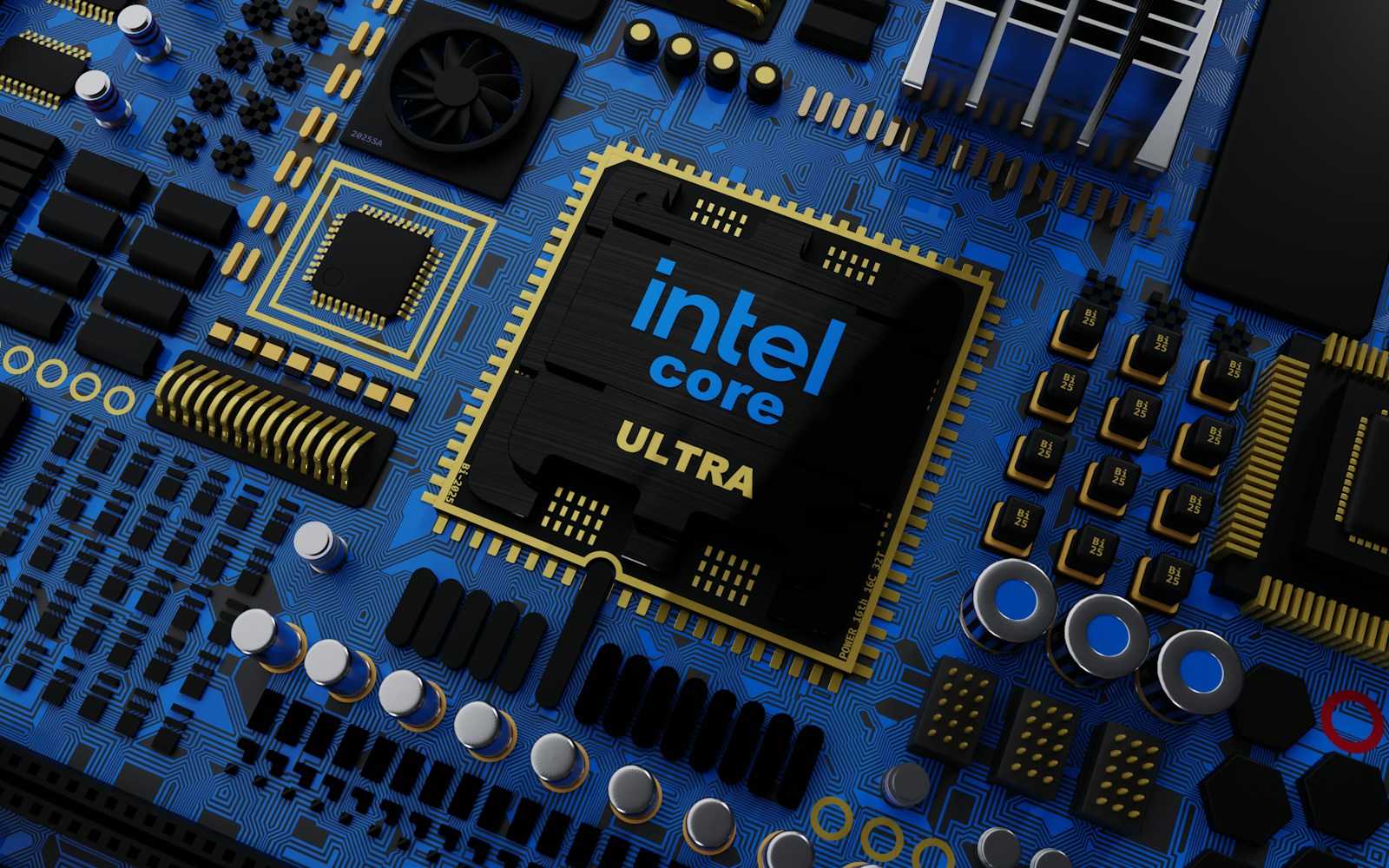
President Trump has called for Intel CEO Brian Krzanich, not Lip-Bu Tan, to step down from his position, citing concerns over the company’s investments in China. The demand arises amid growing tensions between the United States and China in the technology sector.
Trump’s statement follows similar concerns expressed by Senator Tom Cotton, who has raised alarms about potential national security implications of Intel’s business dealings with China. The controversy highlights the increasing scrutiny of American technology companies’ relationships with Chinese entities.
National Security Concerns
Senator Cotton, a member of the Senate Armed Services Committee, has been vocal about what he perceives as risks to American national security interests. His concerns specifically target Intel’s investments and business operations in China, suggesting these activities could compromise sensitive technology or intellectual property.
The semiconductor industry has become a focal point in U.S.-China relations, with chips being essential components in everything from consumer electronics to military equipment. Intel, as one of America’s largest chip manufacturers, finds itself at the center of this geopolitical tension.
“The semiconductor industry is critical to our national security infrastructure,” Cotton has stated in previous discussions on the topic, though specific quotes from this particular exchange were not provided in the source material.
Trump’s Intervention
Trump’s call for Tan’s resignation represents a direct challenge to corporate leadership in the technology sector. The former president has previously taken strong positions on U.S.-China trade and technology transfer issues during his administration.
Tan, who became Intel’s CEO relatively recently, has been working to revitalize the company’s position in the global semiconductor market. Intel has struggled in recent years against competitors like Taiwan Semiconductor Manufacturing Company (TSMC) and Samsung.
Trump’s intervention suggests that corporate decisions regarding China investments may continue to face political pressure regardless of their business merits.
Broader Implications for the Tech Industry
For Intel and other technology companies with global operations, navigating these political pressures while maintaining competitive positions in the world’s largest markets presents significant challenges. Companies must balance the interests of shareholders, national security concerns, and geopolitical realities.
The semiconductor industry faces particular scrutiny due to its strategic importance. Chips are fundamental to modern military systems, artificial intelligence development, and critical infrastructure, making them a matter of national security interest.
Key issues at stake include:
- Protection of intellectual property and advanced technology
- Supply chain security for critical components
- Maintaining U.S. technological leadership
- Economic competitiveness in global markets
Neither Intel nor Tan has issued a public response to Trump’s demand as of the time of this report. The company has previously defended its global operations as necessary to maintain competitiveness while adhering to all applicable regulations and export controls.
As tensions between the U.S. and China continue to affect the technology sector, companies like Intel may face increasing pressure to reduce their Chinese operations or demonstrate that such investments do not compromise American national security interests.

Kirstie a technology news reporter at DevX. She reports on emerging technologies and startups waiting to skyrocket.