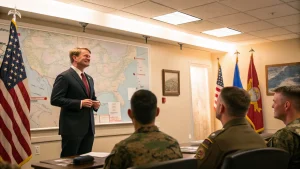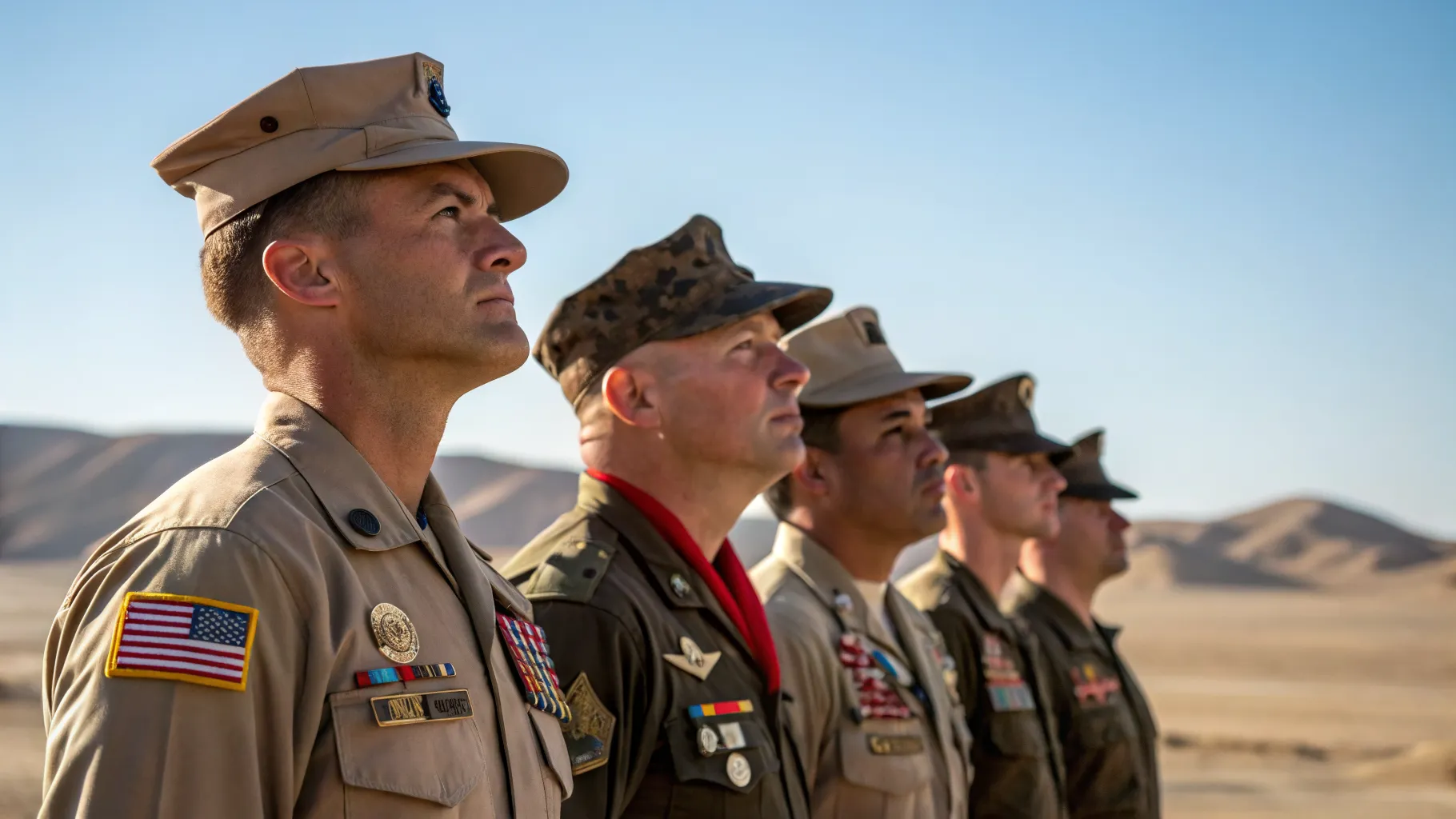
Former President Donald Trump paid tribute to American service members linked to fighting and tensions with Iran, calling them “heroes” in recent remarks that sought to spotlight sacrifice and national security. His comments renewed attention on years of shadow conflict with Tehran, proxy battles across the Middle East, and families who continue to live with loss.
Trump’s statement framed the fallen as central to the nation’s security. It also revived debate over U.S. policy on Iran, from sanctions and military strikes to diplomacy and deterrence. Veterans groups and policy analysts said the tribute was welcome, but they differed on what it should mean for future strategy.
Honoring Service and Sacrifice
“heroes”
Trump used the word “heroes” to describe Americans killed in fighting tied to Iran and its proxies. The phrasing signaled a focus on service members who died in attacks by Iran-backed militias in Iraq and Syria, sailors and Marines who faced dangers in the Persian Gulf, and troops injured in missile strikes and roadside bombs over two decades of conflict in the region.
Families of the fallen often ask leaders to acknowledge the link between those deaths and Iran’s support to armed groups. Trump’s comments aligned with that view, even as many of the losses occurred across borders and under complex rules of engagement.
Background: A Long, Risky Standoff
U.S.-Iran confrontation has played out through sanctions, cyber operations, maritime seizures, drone strikes, and attacks by aligned militias. The 2018 U.S. withdrawal from the nuclear deal sharpened tensions. In January 2020, a U.S. strike killed Iranian commander Qassem Soleimani in Baghdad. Days later, Iran launched ballistic missiles at bases housing U.S. troops in Iraq, causing dozens of traumatic brain injuries.
American forces in Iraq and Syria have since faced sporadic rocket and drone fire from Iran-backed groups. Naval forces have escorted ships through the Strait of Hormuz after seizures and harassment at sea. The line between formal war and persistent conflict has often been thin.
- Attacks by Iran-backed militias have injured and killed U.S. personnel since the Iraq War.
- Ballistic missiles struck the Al Asad base in 2020, injuring U.S. troops.
- Sanctions and covert actions remain tools of U.S. pressure on Tehran.
Political and Military Reactions
Supporters of a harder line said the tribute highlights the costs of deterrence that falls short. They argue that honoring the dead should come with stronger steps to prevent future attacks. That could include fresh sanctions, interdictions, or limited strikes on militia facilities.
Others warned that heated rhetoric can raise the risk of miscalculation. They said honoring sacrifice should be paired with clear goals, allied coordination, and a path to reduce the tempo of attacks. Several analysts pointed to lessons from 2019 and 2020, when spirals of action and reaction drew the two countries close to open conflict.
Veterans advocates urged attention to the living as well as the fallen. They pressed for sustained support for traumatic brain injury, burn pit exposure, and mental health care for troops who served in high-threat deployments connected to Iran and regional militias.
Families Seek Clarity and Accountability
Gold Star families often ask for public recognition of both bravery and the causes of each loss. For some, that means naming Iran and its proxies where evidence supports it. For others, it means a fuller accounting of mission goals, force protection, and how risk assessments are made.
Policy experts said transparency on attribution and rules of engagement can help families and the public understand why U.S. forces were in harm’s way. They also called for consistent criteria on how attacks are deterred or answered, to avoid cycles of escalation.
What to Watch
Analysts will watch whether the tribute leads to policy proposals on deterrence, troop posture, and veteran care. They also note the role of allies, including Iraq’s government and Gulf partners, in shaping militia activity and maritime security.
Any shift in U.S. strategy could affect commercial shipping, oil markets, and regional stability. A steady pattern of proxy attacks tends to raise insurance costs and shipping delays. A reduction in attacks, by contrast, can stabilize trade routes and lower risk premiums.
Trump’s remarks placed the focus on sacrifice and service during a prolonged standoff with Iran that has claimed American lives without a formal declaration of war. The tribute may rally veterans and families who want their losses acknowledged. It also raises old questions about strategy, deterrence, and care for those who served. The next steps will likely be measured by whether words of honor translate into clearer policy, stronger protection for deployed forces, and lasting support for the families left behind.

A seasoned technology executive with a proven record of developing and executing innovative strategies to scale high-growth SaaS platforms and enterprise solutions. As a hands-on CTO and systems architect, he combines technical excellence with visionary leadership to drive organizational success.