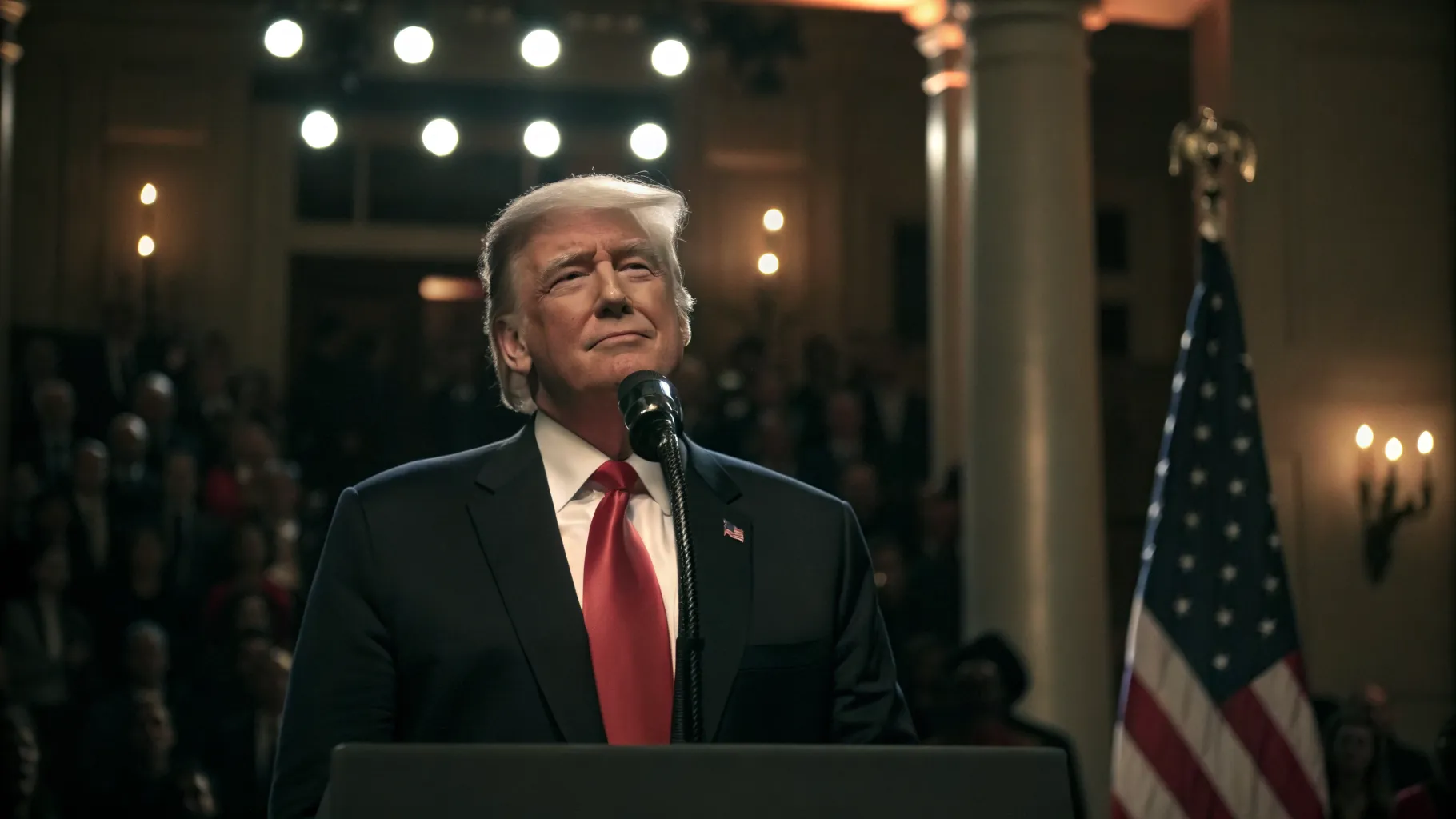
President Donald Trump is set to deliver an address on Iran tonight, signaling a possible shift in U.S. policy or a response to recent events in the region. The announcement has stirred speculation in Washington and foreign capitals as officials and analysts weigh what may be coming and why it matters now.
Few details were released ahead of the remarks. The timing, however, suggests the White House wants to frame the next steps before markets open in Asia and Europe and before allies respond. The statement came as tensions over Iran’s nuclear program, regional militias, and maritime security continue to simmer.
What We Know So Far
President Trump will give an “important update” on Iran tonight.
Officials did not outline the format or length of the address. There was no advance policy paper or fact sheet. Diplomats contacted by reporters said they had received only broad notice.
Why It Matters
Any change in U.S. posture toward Iran carries immediate effects for energy markets, shipping lanes, and security across the Middle East. Iran remains under sweeping U.S. sanctions. Its nuclear activities are tracked by the International Atomic Energy Agency (IAEA), which has reported enrichment levels and stockpiles above the limits set in the 2015 nuclear deal.
Regional partners, including Israel and Gulf states, watch these moves closely. European governments continue to call for de-escalation and a return to limits on uranium enrichment, inspection access, and regional restraint.
Background On The Standoff
The United States left the 2015 Joint Comprehensive Plan of Action in 2018 and reimposed sanctions. Iran later reduced compliance with key terms, expanded enrichment, and restricted inspections. Since then, there have been periodic flare-ups: tanker seizures in the Gulf, proxy rocket fire in Iraq and Syria, and cyber operations claimed by both sides.
World powers have tried to restart talks several times. Each round has run into disputes over sequencing, verification, and relief from sanctions targeting oil exports, banking, and shipping.
Recent Flashpoints And Pressures
- Nuclear program: IAEA reports have cited stockpiles and centrifuge work that heighten global concern.
- Regional militias: Groups linked to Tehran have engaged in clashes with U.S. and partner forces.
- Maritime security: Incidents involving commercial vessels have raised insurance costs and shipping delays.
These events frame tonight’s address and could shape its content, whether focused on nuclear activity, regional attacks, or both.
What The Address Could Cover
Several scenarios are under discussion among foreign policy experts:
- New sanctions: Targeted measures on oil, metals, or financial networks.
- Diplomatic track: A call for talks under strict timelines and inspection terms.
- Military signaling: Redeployments, joint drills, or warnings linked to recent attacks.
- Hostage and detainee issues: Steps on prisoner releases or humanitarian channels.
The choice will signal Washington’s priorities—pressure first, talks first, or a mix. Markets will watch oil supply risks. Shipping and aviation advisories could follow if security warnings are issued.
Global And Domestic Reactions To Watch
Allies in Europe will look for clear goals, verification steps, and a path back to limits on enrichment. Israel is likely to press for firm measures on missile programs and proxy forces. Gulf states will want assurances on air and missile defenses and sea lane security.
In Congress, some will argue for tougher enforcement, while others will urge direct talks and guardrails to avoid war. Human rights groups will raise concerns about humanitarian effects of broader sanctions.
What Comes Next
Implementation will define the impact. If new sanctions are announced, effectiveness will depend on enforcement and cooperation from major oil buyers. If talks are proposed, timelines and inspection access will be key tests. Any military steps will prompt quick responses from Tehran and regional actors.
Tonight’s message will set expectations for the weeks ahead. Watch for specifics on nuclear thresholds, maritime security, and conditions for negotiations. The stakes are high for energy prices, regional stability, and U.S. credibility. A clear plan—backed by allies and grounded in verifiable steps—will shape how this update is received and whether it reduces risk or raises it.

Kirstie a technology news reporter at DevX. She reports on emerging technologies and startups waiting to skyrocket.