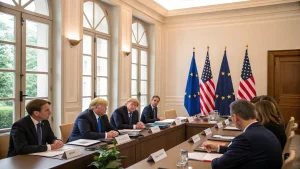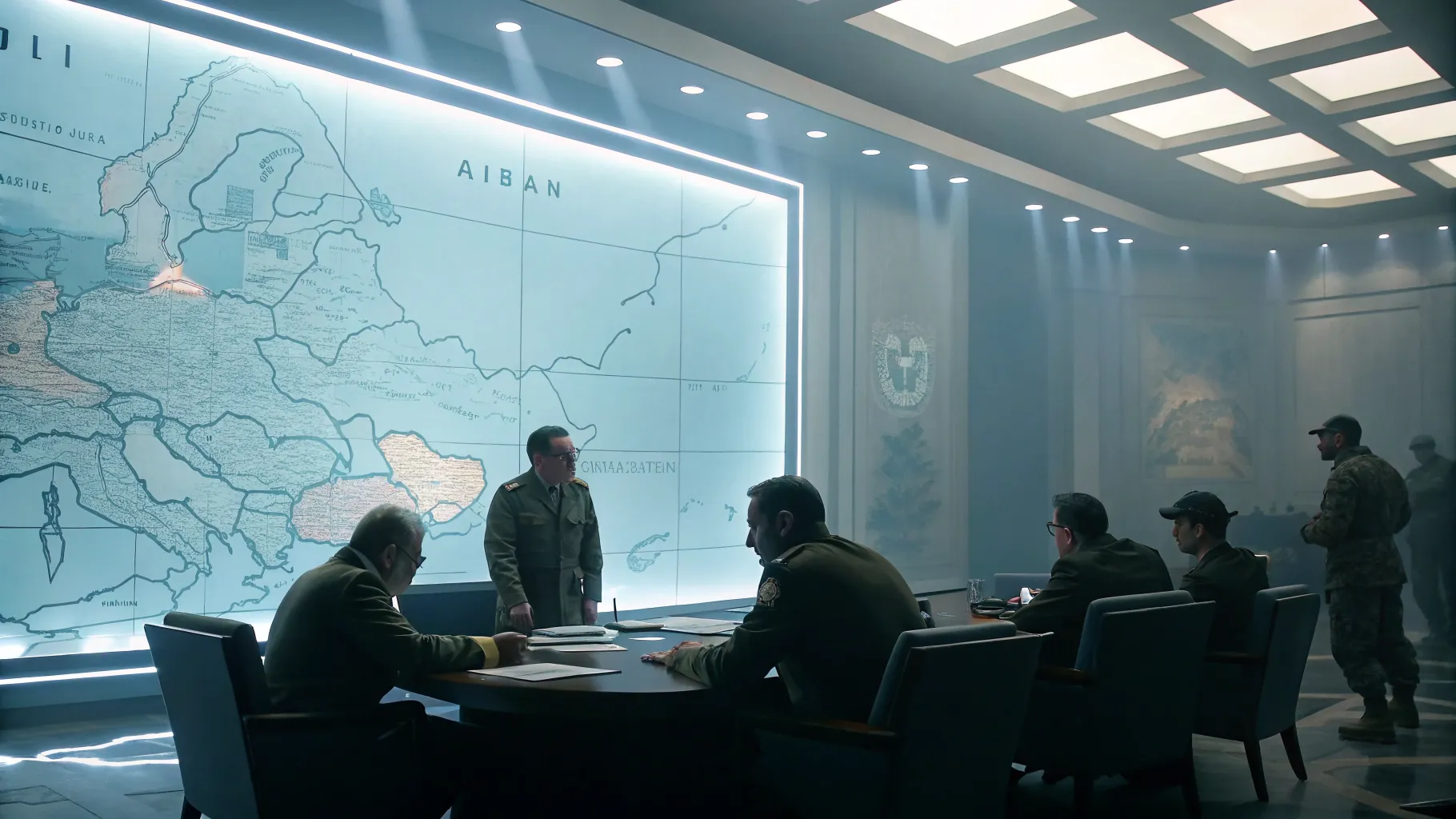
President Donald Trump is considering sending thousands of U.S. troops into Iran, according to several current and former U.S. officials, a move that advisers say could help achieve key objectives and bring a conflict to a close. The deliberations, reported by NBC News correspondent Courtney Kube, suggest the White House is testing military options as it searches for leverage and a potential endgame.
“President Trump is weighing whether to send possibly thousands of U.S. troops into Iran … according to two current U.S. officials, two former U.S. officials and another person familiar with the discussions,” NBC News’ Courtney Kube reported.
Officials caution that no final decision has been made. The Pentagon and the National Security Council have not publicly detailed any plan. The discussion underscores the stakes in a region where a misstep could widen violence, unsettle oil markets, and draw in allies and adversaries.
How the U.S. Reached This Moment
Tensions between Washington and Tehran have waxed and waned for decades. Flashpoints have included disputes over Iran’s nuclear program, maritime incidents in the Persian Gulf, and proxy clashes across the Middle East. U.S. administrations have alternated between diplomacy and pressure campaigns, using sanctions, covert actions, and military presence to influence Iran’s behavior.
In recent years, incidents at sea, attacks linked to Iran-backed groups, and responses by U.S. forces have raised the risk of direct confrontation. Policymakers have often weighed troop movements to deter attacks, reassure partners, and create bargaining power. The current consideration appears to fit that pattern, with backers arguing a credible threat could shape negotiations and critics warning it could trigger a spiral.
Competing Arguments Inside Washington
Supporters of a deployment say added forces could protect U.S. personnel, pressure Iran’s leadership, and provide options if talks stall. They contend that a visible military posture can shorten conflicts by convincing rivals they cannot prevail.
Opponents warn that crossing into Iranian territory would likely meet fierce resistance and risk a wider war. They argue that any gains could be fleeting and that strikes or ground operations could unify hardliners in Tehran. Several lawmakers have signaled they would scrutinize the legal basis and strategic aims of any mission.
Former officials note that even limited operations require clear goals, exit plans, and coordination with allies. Without those, costs and casualties can mount, and public support can erode quickly.
What a Deployment Could Mean
Military planners would need to address logistics, force protection, and rules of engagement. Access to bases, air corridors, and naval support would be essential. The scale and timeline would shape risks and outcomes.
Analysts say any move into Iran would differ from prior U.S. operations in Iraq or Afghanistan. Iran’s terrain, air defenses, and network of regional partners present distinct challenges. A limited mission could focus on deterrence or specific targets. A larger push would carry far greater uncertainty.
- Key questions: mission scope, legal authority, allied support, and exit criteria.
- Potential effects: oil prices, shipping security, and regional proxy activity.
Law, Oversight, and Authorization
The War Powers Resolution of 1973 requires the president to notify Congress within 48 hours of introducing forces into hostilities and sets a 60-day window for operations without explicit authorization. Past administrations have relied on the 2001 and 2002 Authorizations for Use of Military Force for certain actions, though their applicability to Iran is disputed.
Members of Congress from both parties have previously sought to limit unauthorized military action against Iran. Any decision to send troops is likely to face hearings, resolutions, and possible court challenges.
Regional and Global Ripple Effects
Gulf states and Israel would watch for signs of escalation and shifts in U.S. posture. European allies, who have pursued diplomatic engagement with Tehran, could urge restraint and seek channels to reduce risk. Russia and China may use the moment to press their own regional interests and criticize U.S. moves.
Energy markets could react to perceived threats to shipping lanes. Insurers might raise rates for tankers, and traders often price in disruption even before the first shot is fired. Humanitarian agencies would prepare for displacement in border areas if fighting expands.
What to Watch Next
Signs to monitor include new force alerts, carrier movements, and public messaging from the White House and Pentagon. Diplomatic traffic, backchannel talks, and statements from Tehran may hint at off-ramps or red lines. Congressional leaders are likely to demand briefings and clarity on objectives.
The reported deliberations mark a stark phase in a long standoff. Supporters see force as leverage to end a dangerous cycle. Critics see a path to escalation without a clear finish line. The next steps—whether toward a build-up, a negotiated pause, or a hybrid approach—will reveal how the administration weighs risk against reward, and whether there remains space for an outcome that reduces violence without a new war.

Deanna Ritchie is a managing editor at DevX. She has a degree in English Literature. She has written 2000+ articles on getting out of debt and mastering your finances. She has edited over 60,000 articles in her life. She has a passion for helping writers inspire others through their words. Deanna has also been an editor at Entrepreneur Magazine and ReadWrite.