President Donald Trump has announced a comprehensive set of auto tariffs covering $600 billion in imports, including laptop computers and other critical technology items. The tariffs are part of a broader trade strategy aimed at protecting domestic industries and addressing trade imbalances. The inclusion of key consumer electronics has raised concerns among businesses and consumers about potential price increases and supply chain disruptions.
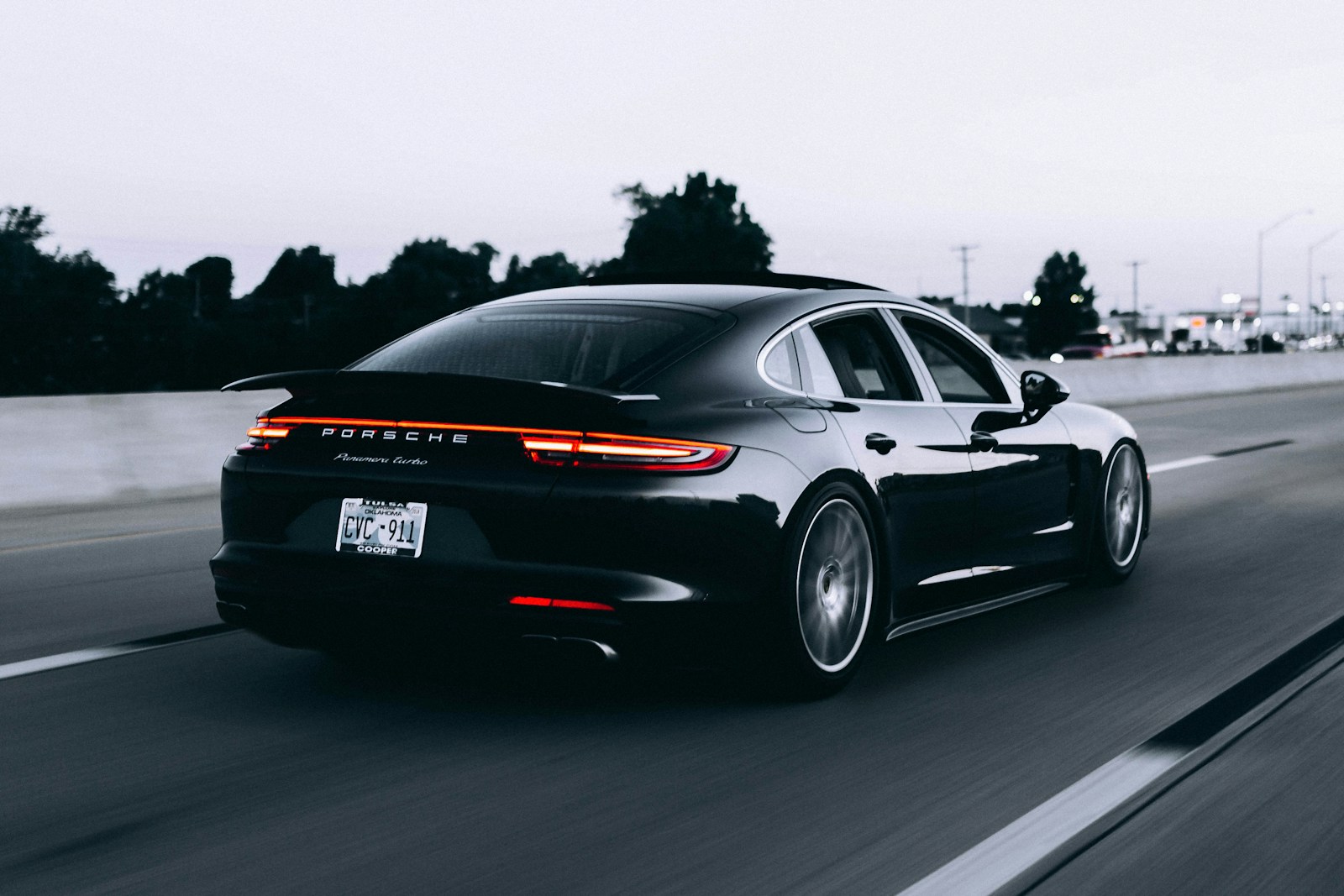
Analysts are also closely monitoring the impact these tariffs could have on international trade relationships, particularly with major economic partners who may view the action as protectionist. Tariffs on imported vehicles took effect Thursday, a policy President Trump said would spur investments and jobs in the United States. However, analysts say the 25 percent duty, which applies to all cars assembled outside the U.S., will raise new car prices by thousands of dollars.
Starting May 3, the tariff will also apply to imported auto parts, adding to the cost of domestically assembled cars and auto repairs. There will be a partial exemption for cars made in Mexico or Canada that meet the terms of free trade agreements.
Impact on consumer electronics
The impact of the tariffs will vary widely depending on the vehicle. Cars with high percentages of U.S.-made parts will pay lower tariffs, while those manufactured abroad will face the highest duties. Even people who don’t buy new cars will be affected, as they will pay more for parts like tires, brake pads, and oil filters.
President Trump declared a national emergency with respect to the threat posed by large and persistent annual U.S. goods trade deficits, which he attributes to a lack of reciprocity in bilateral trade relationships, disparate tariff rates, non-tariff barriers, and the economic policies of key trading partners that suppress domestic wages and consumption. The President’s action is based on investigations that found the U.S. has among the lowest simple average tariff rates in the world, while many key trading partners have significantly higher rates. Non-tariff barriers and domestic economic policies of trading partners also contribute to the trade imbalance.
Efforts by the U.S. to address these imbalances have stalled, with trading partners blocking multilateral and plurilateral solutions. The President believes these structural asymmetries have driven the large and persistent annual U.S. goods trade deficits.
Image Credits: Photo by Campbell on Unsplash

Noah Nguyen is a multi-talented developer who brings a unique perspective to his craft. Initially a creative writing professor, he turned to Dev work for the ability to work remotely. He now lives in Seattle, spending time hiking and drinking craft beer with his fiancee.