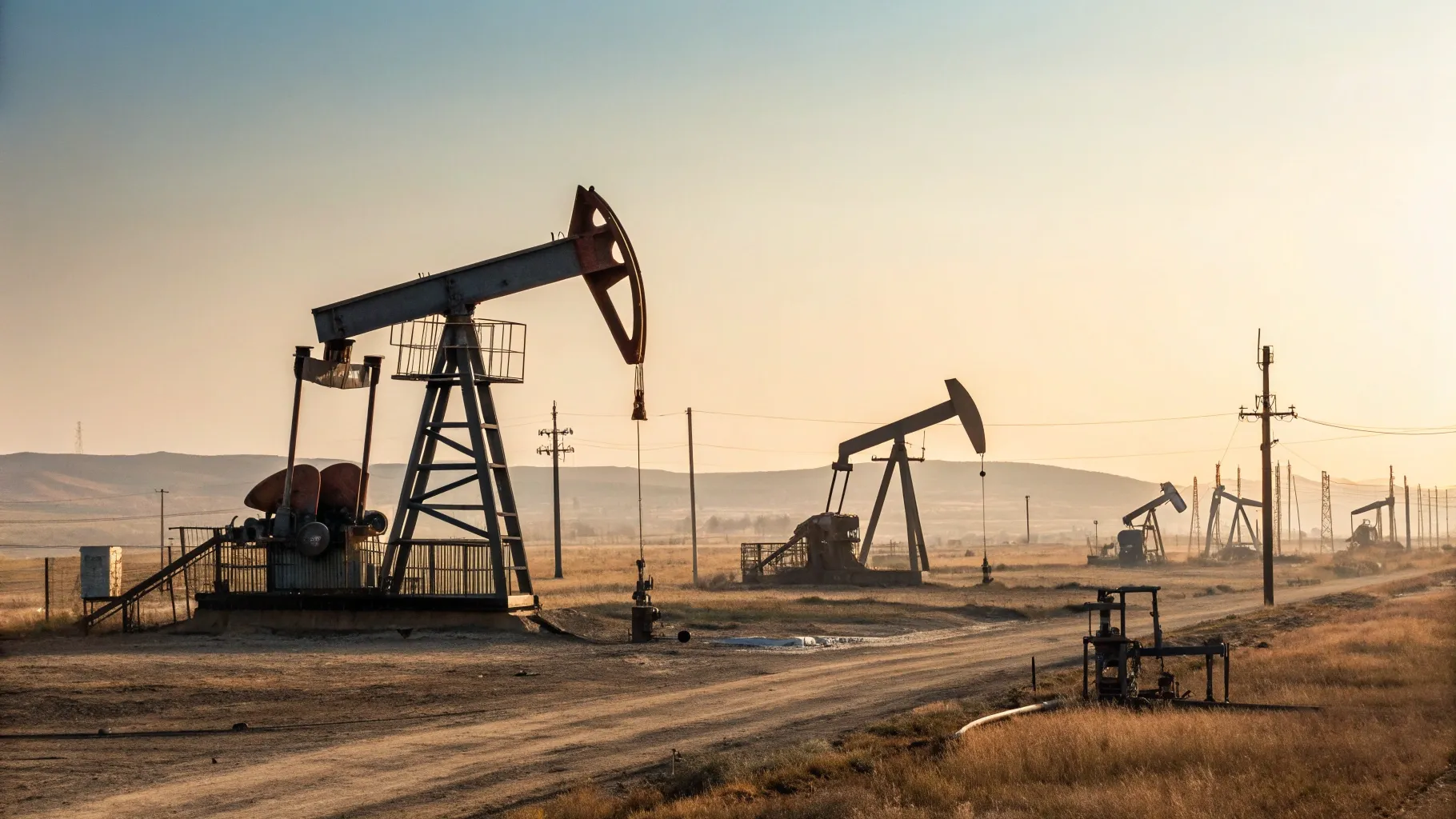
U.S. energy companies pulled back drilling activity to the lowest level since January, signaling caution across oil and natural gas fields as summer approaches. In data released Friday, Baker Hughes reported a weekly drop in the nation’s rig count, sharpening questions about future output and investment plans.
The oil and gas rig tally fell by six to 578 in the week ending May 9. The total is now 25 rigs, or about 4%, below the same week a year earlier. The figures, closely watched by traders and producers, point to a cooler near-term outlook for new supply.
What the Numbers Show
“The oil and gas rig count, an early indicator of future output, fell by six to 578 in the week to May 9,” Baker Hughes said. “This week’s decline puts the total rig count down 25, or 4% below this time last year.”
Rig counts offer an early read on production trends because companies often adjust drilling plans before changes show up in oil and gas volumes. A steady decline can precede slower output growth, though efficiency gains can offset some of the impact.
Why Drillers Are Pulling Back
Analysts point to several drivers behind the slowdown. Producers have emphasized capital discipline, favoring cash returns and debt reduction. Service costs remain a factor, and firms are selective with new wells after a period of cost inflation. Gas-focused operators, in particular, have scaled back amid weak prices earlier in the year.
At the same time, consolidated shale companies have streamlined operations. Fewer rigs can still deliver sizable volumes due to longer laterals and improved well designs. That dynamic helps explain why output does not always move in lockstep with rig counts.
Context and Recent Trends
Rig totals surged during the recovery from the 2020 downturn but flattened through last year as price volatility and cost pressures returned. The current level suggests producers are in no rush to expand drilling. Many are waiting for clearer signals from global demand, OPEC+ supply plans, and storage levels before committing to more activity.
Baker Hughes’ weekly report has served as a bellwether for decades. Market participants use the data to gauge field activity across major basins such as the Permian, Eagle Ford, and Marcellus. Changes in those regions can ripple through equipment providers, employment in oilfield services, and state tax receipts.
Implications for Supply and Prices
If rig activity stays subdued through the summer, production growth could slow later in the year. That would tighten the supply picture, particularly if demand holds steady. Gas markets could also rebalance if fewer wells come online, aiding prices for producers that cut back in recent months.
Still, higher productivity per well complicates any forecast. A small rig fleet can add meaningful barrels if operators target their best acreage. As a result, price signals will play an outsized role in whether the recent pullback endures.
What Industry Voices Are Watching
- Producer budgets and second-half guidance from public shale firms.
- Service cost trends for rigs, pressure pumping, and labor.
- Global supply decisions and refinery runs into peak driving season.
Investors will also watch whether gas-heavy basins see further cuts or a pause, which would affect pipeline flows and storage balances heading into winter.
The Road Ahead
For now, the dip to 578 rigs marks a cautious stance by U.S. drillers. Baker Hughes’ latest figures suggest the industry is prioritizing efficiency and returns over rapid expansion. That posture may steady markets, but it also raises the stakes for the second half of the year.
If prices strengthen and costs ease, rigs could return. If not, output growth may slow, handing more influence to global suppliers. Either way, the weekly rig count will remain a key signal for what comes next in U.S. energy.

A seasoned technology executive with a proven record of developing and executing innovative strategies to scale high-growth SaaS platforms and enterprise solutions. As a hands-on CTO and systems architect, he combines technical excellence with visionary leadership to drive organizational success.