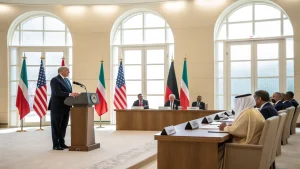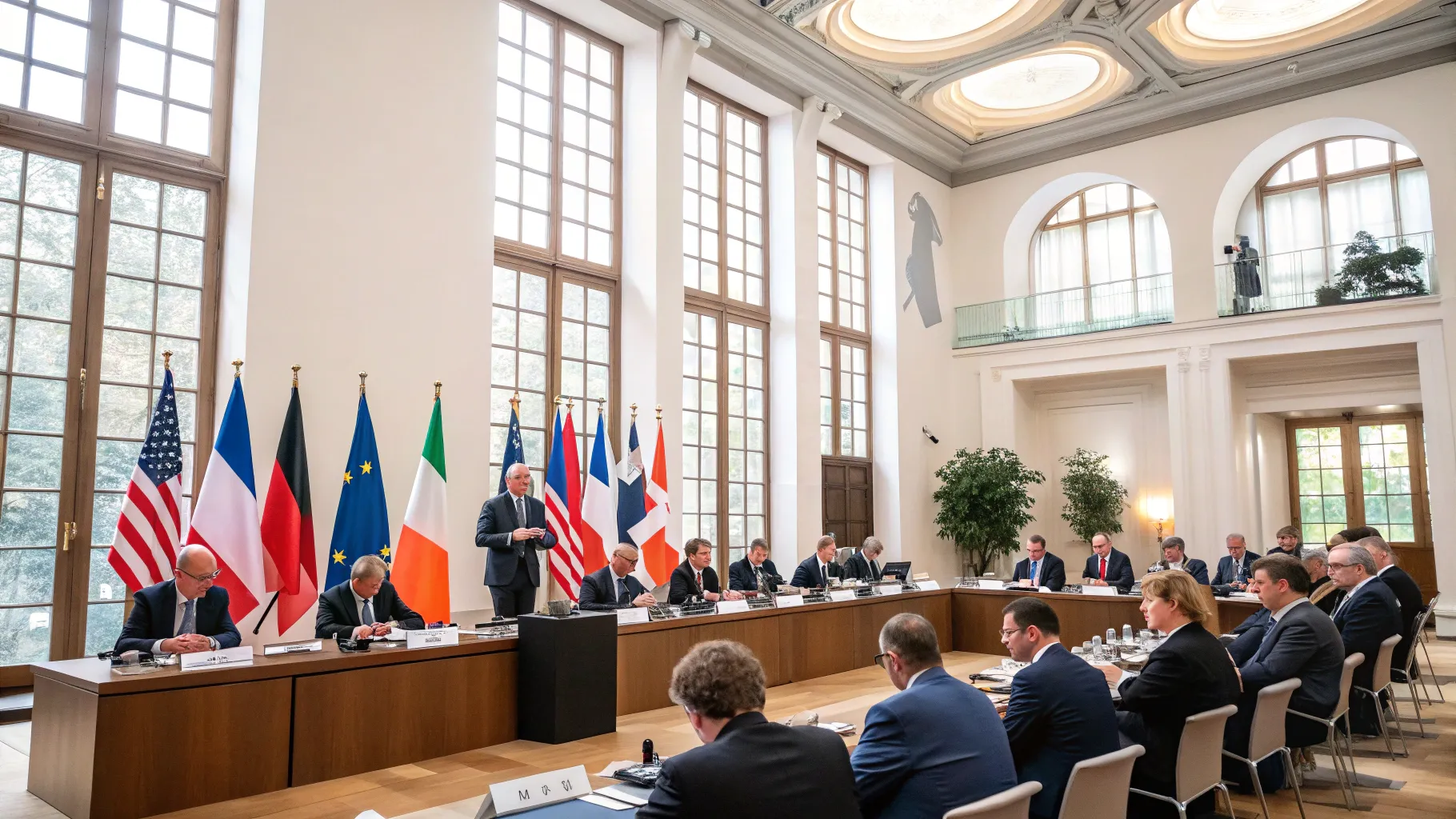
At the Munich Security Conference, the U.S. secretary of state urged deeper coordination with European partners, framing unity as essential for security and economic stability. The comments, delivered in Munich before an audience of diplomats, defense officials, and business leaders, come as allies face war in Europe, trade tensions, and rapid changes in technology. The message signaled Washington’s push to keep transatlantic priorities aligned on defense spending, support for Ukraine, and rules for emerging tech.
Speaking at the Munich Security Conference, the U.S. secretary of state stressed the importance of cooperation with Europe.
Why This Message Matters Now
The Munich Security Conference is one of the most watched annual meetings on defense and foreign policy. Leaders often use it to set the tone for the year ahead. Calls for unity in Munich carry weight because they reach both policymakers and the public across the Atlantic.
The appeal for cooperation reflects several pressures. Russia’s war in Ukraine has reshaped European defense planning and U.S. security commitments. Energy markets remain tight, and supply chains are still adjusting after the pandemic. Digital policy and artificial intelligence standards are dividing capitals, even as allies try to set common rules.
In this setting, the U.S. emphasis on joint action signals a desire to keep allies moving in the same direction on funding, weapons production, and sanctions enforcement, while also addressing trade and technology disputes inside the alliance.
Security Stakes and Shared Responsibilities
For much of the last decade, NATO members have increased defense budgets and worked to improve readiness. European governments have launched new procurement plans and cross-border projects to refill stockpiles and boost production lines. The U.S. has pressed for more sustained investment to meet long-term needs.
Support for Ukraine remains a central test. Washington and European capitals seek to maintain supplies of ammunition, air defense, and training. Officials say coordination on timelines and transparency on industrial capacity are key to avoiding gaps on the battlefield.
- Allies are expanding joint procurement to lower costs and speed delivery.
- Cross-border transport and logistics exercises aim to move forces faster.
- Sanctions and export controls require close monitoring to curb evasion.
Economic and Technology Tensions
Security cooperation often collides with trade disputes and industrial policy. European leaders have raised concerns about U.S. clean-energy incentives that may draw investment away from factories in the EU. U.S. officials, in turn, point to Europe’s digital services rules and data policies that affect American firms.
Both sides are also trying to align on controls targeting sensitive technology flows to strategic rivals. This includes restrictions on advanced chips, critical minerals, and dual-use tools. The U.S. call in Munich for closer coordination suggests a push to narrow gaps between national rules, so companies can plan with more clarity and compliance costs stay manageable.
Debate Among Allies
European policymakers agree on the need for unity but differ on timelines and burden-sharing. Some argue Europe must take on a larger share of defense. Others warn that abrupt shifts may strain budgets and domestic politics. Industry leaders ask for steady demand signals, faster permits, and simpler cross-border standards to scale production.
U.S. lawmakers, meanwhile, watch European commitments closely. They seek proof that defense targets are met and that aid for Ukraine is matched by long-term European contracts. Analysts add that supply chains for ammunition and air defenses will require multi-year orders, not short-term fixes.
What to Watch Next
Coming months will test whether pledges become contracts and deliveries. Key signs include new joint orders for ammunition, progress on air defense networks, and steps to ease customs and transport rules for military cargo. On the economic front, talks on clean-tech subsidies and data transfers will show if trade frictions can be managed without hurting security goals.
The U.S. message in Munich, calling for tighter coordination with Europe, sets a practical checklist: align defense planning, back Ukraine with predictable resources, and agree on clear standards for strategic technologies. The path will still feature disagreements, yet the direction is clear. Unity will be judged by results—measured in production lines running on time, borders that move goods and forces faster, and policies that protect both security and growth.
As leaders return home from Munich, the focus shifts to delivery. If allies can turn pledges into action, they will strengthen deterrence, support a partner at war, and give businesses a steadier outlook. If not, gaps could widen, with costs on both sides of the Atlantic. The next months will reveal which course prevails.

Kirstie a technology news reporter at DevX. She reports on emerging technologies and startups waiting to skyrocket.