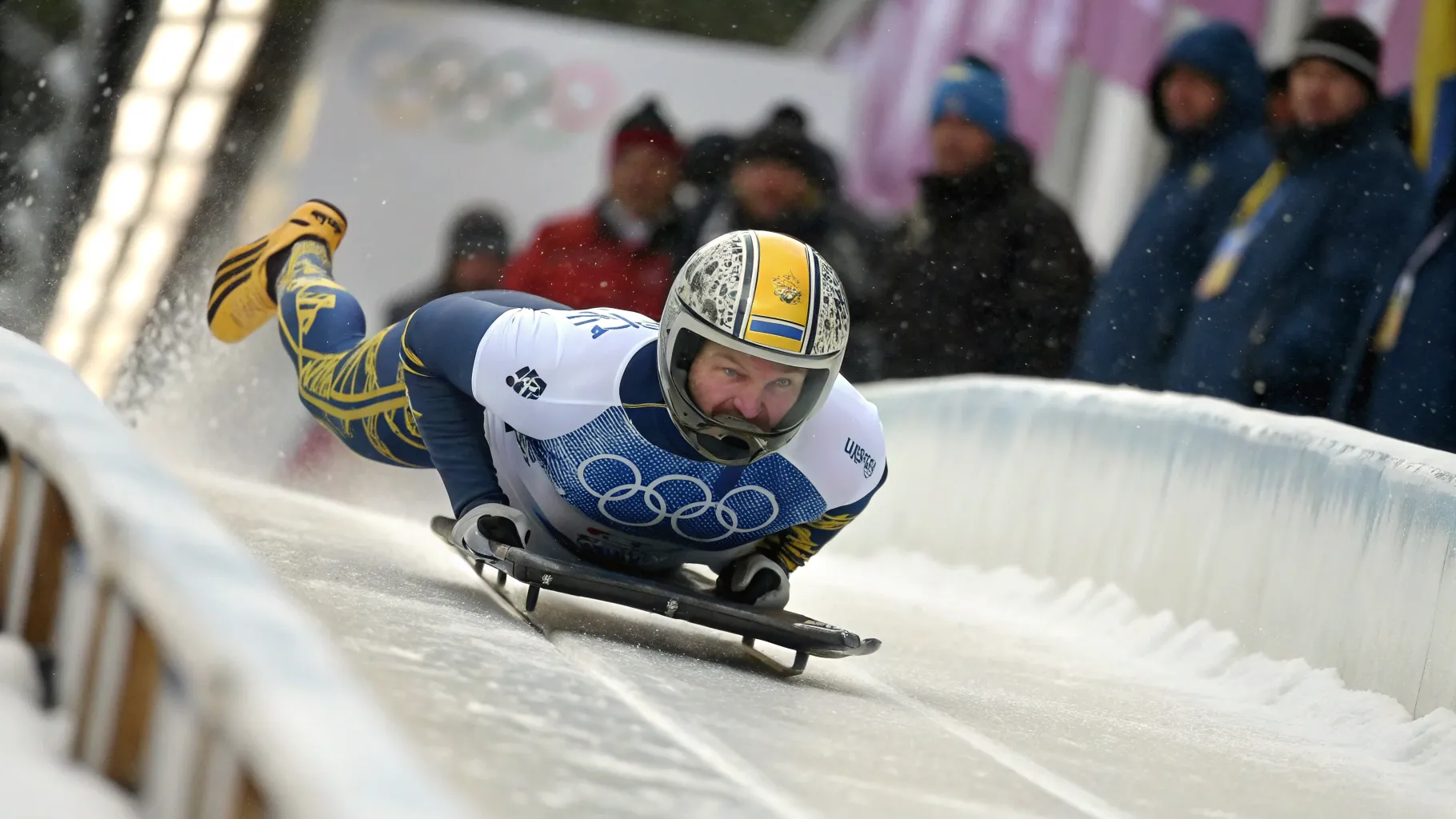
Ukrainian skeleton athlete Vladyslav Heraskevych has been expelled from the Winter Olympics after refusing to abandon a planned tribute to Ukraine’s war dead, a move that has reignited debate over athlete expression at the Games. The decision, made during competition week at the Olympic sliding center, followed Heraskevych’s insistence on competing in a customized “helmet of memory.”
The 25-year-old racer pressed to honor victims of Russia’s invasion of Ukraine on his race helmet. Officials ruled the message a breach of Olympic rules on political displays, triggering his removal. The ouster underscores a long-running conflict between the International Olympic Committee’s neutrality rules and athletes’ urge to speak on moral issues.
What Triggered the Expulsion
Heraskevych intended to wear a special helmet featuring a memorial theme rather than the standard team design. He described it as a personal tribute meant to recognize loss at home.
He called it a “helmet of memory,” created “in honour of Ukraine’s war dead.”
Officials warned him the design contravened competition rules. According to people familiar with the decision, he refused to remove or alter the helmet. After repeated exchanges, organizers removed him from the event roster.
Olympic Rules on Political Messaging
The Olympic Charter’s Rule 50 limits political, religious, or racial propaganda on the field of play and at official venues. The policy is meant to keep competition neutral and avoid disputes during events. Enforcement has varied by Games and by sport, often depending on whether the display is seen as advocacy or as a humanitarian message.
Skeleton, like other Olympic sports, applies the rule during official training and competition heats. Athletes are typically required to use approved equipment and uniforms, including helmets, sleds, and race suits. Any deviation must be cleared by governing bodies.
Past Precedents and Athlete Activism
Heraskevych has a history of advocacy at major competitions. During the Beijing Winter Games in 2022, he held a handwritten “No War in Ukraine” sign after a run, drawing wide attention. That episode did not lead to expulsion, but it fueled debate over what the Games should permit.
Other athletes have faced scrutiny for gestures on podiums or during introductions. Some have received warnings or fines. Others have been cleared if displays occurred outside formal competition windows or complied with event guidelines.
- Rule 50 restricts messages on the field of play and official venues.
- Some events allow limited expression in mixed zones or on social media.
- Sanctions can range from warnings to disqualification or expulsion.
Reactions and Broader Impact
Supporters of the expulsion argue that consistent enforcement protects fairness and shields athletes from political pressure during events. They say each exception risks opening the door to competing agendas that could overshadow sport.
Critics counter that honoring war victims is a humanitarian stance, not political propaganda. They argue that strict rules create a chilling effect and deny athletes a basic voice on urgent matters. For Ukrainian athletes, they say, remembrance is inseparable from daily life and should be treated with care.
Heraskevych’s supporters see his planned tribute as a quiet act of memory. Opponents worry that allowing it would set a precedent for other causes, making future events harder to manage.
What to Watch Next
The case will likely prompt further review by the IOC and sport federations. Officials may clarify where memorials end and political messaging begins. Athlete groups are expected to seek more precise guidance on apparel, equipment, and pre-approved symbols.
National teams could push for exemptions for humanitarian remembrance, especially for athletes from conflict zones. Event organizers, in turn, will weigh consistency, fairness, and the risk of unequal treatment across countries and causes.
For Ukraine’s delegation, the expulsion is a blow to competitive hopes and a rallying point for advocacy. For the Olympic movement, it is another test of the balance between neutrality and conscience on sport’s biggest stage.
As appeals and statements unfold, the core question remains simple: how can the Games preserve neutrality while allowing athletes to honor human loss with dignity? The answer will shape policies at future Olympics and set expectations for athletes who carry personal histories into competition.

Senior Software Engineer with a passion for building practical, user-centric applications. He specializes in full-stack development with a strong focus on crafting elegant, performant interfaces and scalable backend solutions. With experience leading teams and delivering robust, end-to-end products, he thrives on solving complex problems through clean and efficient code.