Scientists at the University of Massachusetts Amherst have discovered a mysterious liquid mixture that defies the laws of thermodynamics. The mixture, made of oil, water, and magnetized nickel particles, always reforms into an elegant urn shape no matter how much it is shaken. The discovery was made by Anthony Raykh, a physics graduate student at UMass Amherst.
Raykh was experimenting with a scientific version of salad dressing that used magnetized nickel particles instead of spices. He found that when he shook the mixture, it formed a perfect urn shape every time. Raykh reached out to his professors, Thomas Russell and David Hoagland, to help investigate the strange phenomenon.
They worked with colleagues at Tufts and Syracuse universities to create simulations of the mixture. The simulations showed that the magnetized particles were interfering with the normal process of emulsification.
Discovering liquids that defy thermodynamics
In a typical oil-and-water mixture, particles reduce the tension between the two liquids, allowing them to mix. But the magnetized particles actually increased the tension, causing the mixture to form the urn shape. “When you see something that shouldn’t be possible, you have to investigate,” said Russell, who is a Distinguished Professor of Polymer Science and Engineering at UMass Amherst.
The discovery doesn’t have any immediate practical applications, but it could lead to new advances in the field of soft-matter physics. It shows that there are still new states of matter waiting to be discovered. “Imagine your favorite Italian salad dressing made of oil, water, and spices, which mix temporarily when shaken,” said Russell.
“In standard emulsification, principles of thermodynamics govern how these liquids blend. However, this new mixture behaves differently due to the magnetized particles.”
The research was funded by the U.S. National Science Foundation and the U.S. Department of Energy. The findings were published on April 4 in the journal Nature Physics.
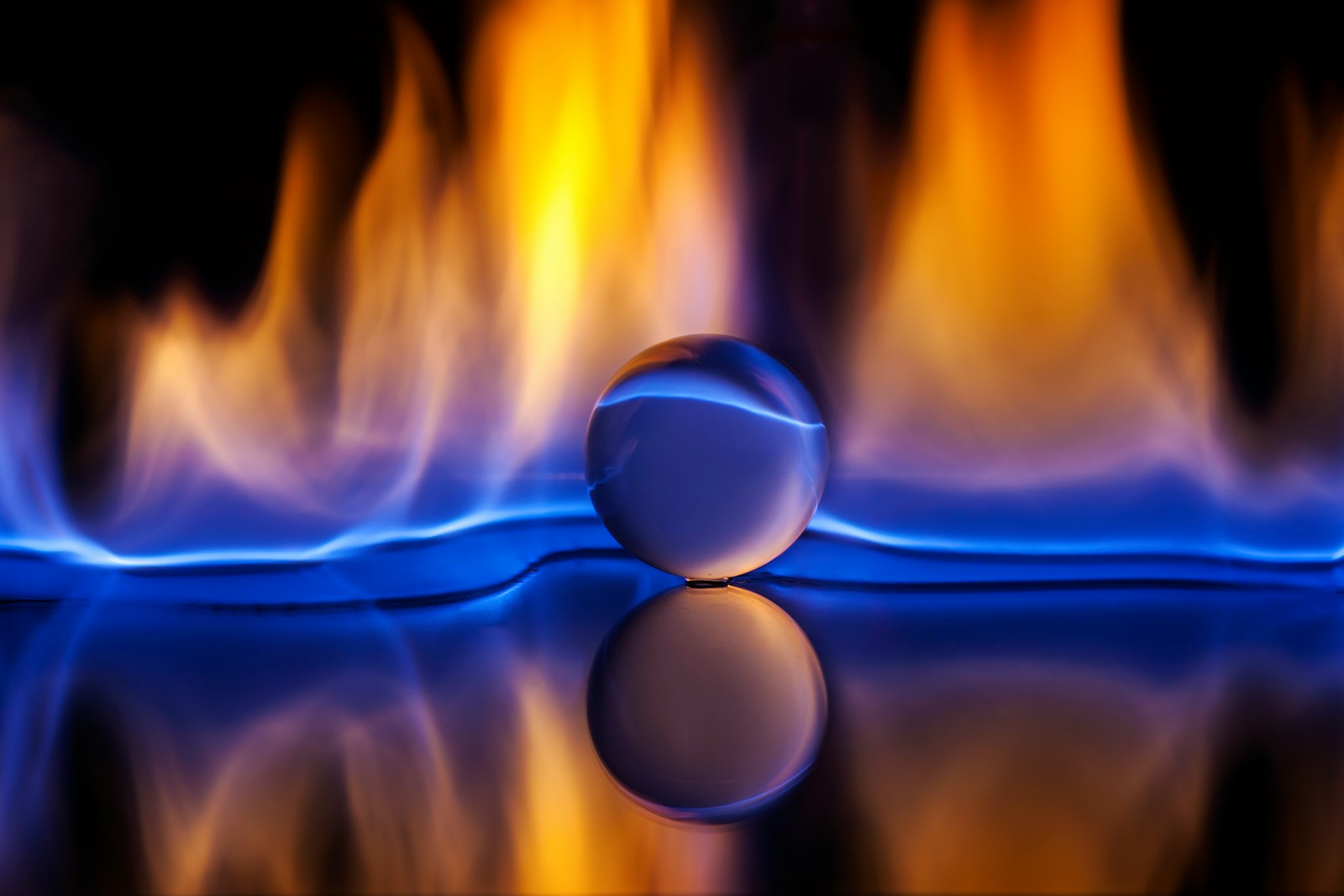
Image Credits: Photo by Ines Cvitić on Unsplash

Noah Nguyen is a multi-talented developer who brings a unique perspective to his craft. Initially a creative writing professor, he turned to Dev work for the ability to work remotely. He now lives in Seattle, spending time hiking and drinking craft beer with his fiancee.