The United States is pushing artificial intelligence deeper into military planning, testing, and operations, raising urgent questions about control, safety, and global risk. In recent commentary, technology journalist Matthew Sparkes captured the mood of unease and curiosity as the Pentagon moves from pilot projects to fielded systems. The drive comes as defense leaders cite rivals’ advances and real-world conflicts that feature drones, autonomy, and machine-speed targeting.
The shift is visible across programs and policy. The Department of Defense updated guidance on autonomous and semi-autonomous weapons in early 2023. It launched new procurement routes, and it is seeking to deploy swarms of cheaper uncrewed systems within two years. Advocates argue this could deter adversaries and protect troops. Critics warn that speed and scale may outpace human judgment.
Background: From Algorithms to Operations
Military interest in AI surged after 2017, when analysts began using algorithms to process drone video at volume. That effort, known as Project Maven, showed how machine learning could triage data and reduce analyst overload. Since then, services have invested in predictive maintenance, logistics planning, electronic warfare, and decision-support tools.
Policy has tried to keep pace. The Pentagon’s directive on autonomy was revised in 2023, adding oversight and testing steps. The Department created a Chief Digital and Artificial Intelligence Office to coordinate projects and data practices across forces. Public budget documents show billions in related research and development across services and agencies, even as exact AI totals vary by accounting method.
Real-world conflicts have sped adoption. Ukraine’s use of uncrewed aircraft, software-enabled targeting aids, and rapid battlefield sensing has become a case study for planners. The lesson, according to officers and defense analysts, is clear: software and autonomy can change tempo and cost.
Inside the Push: Programs and Promises
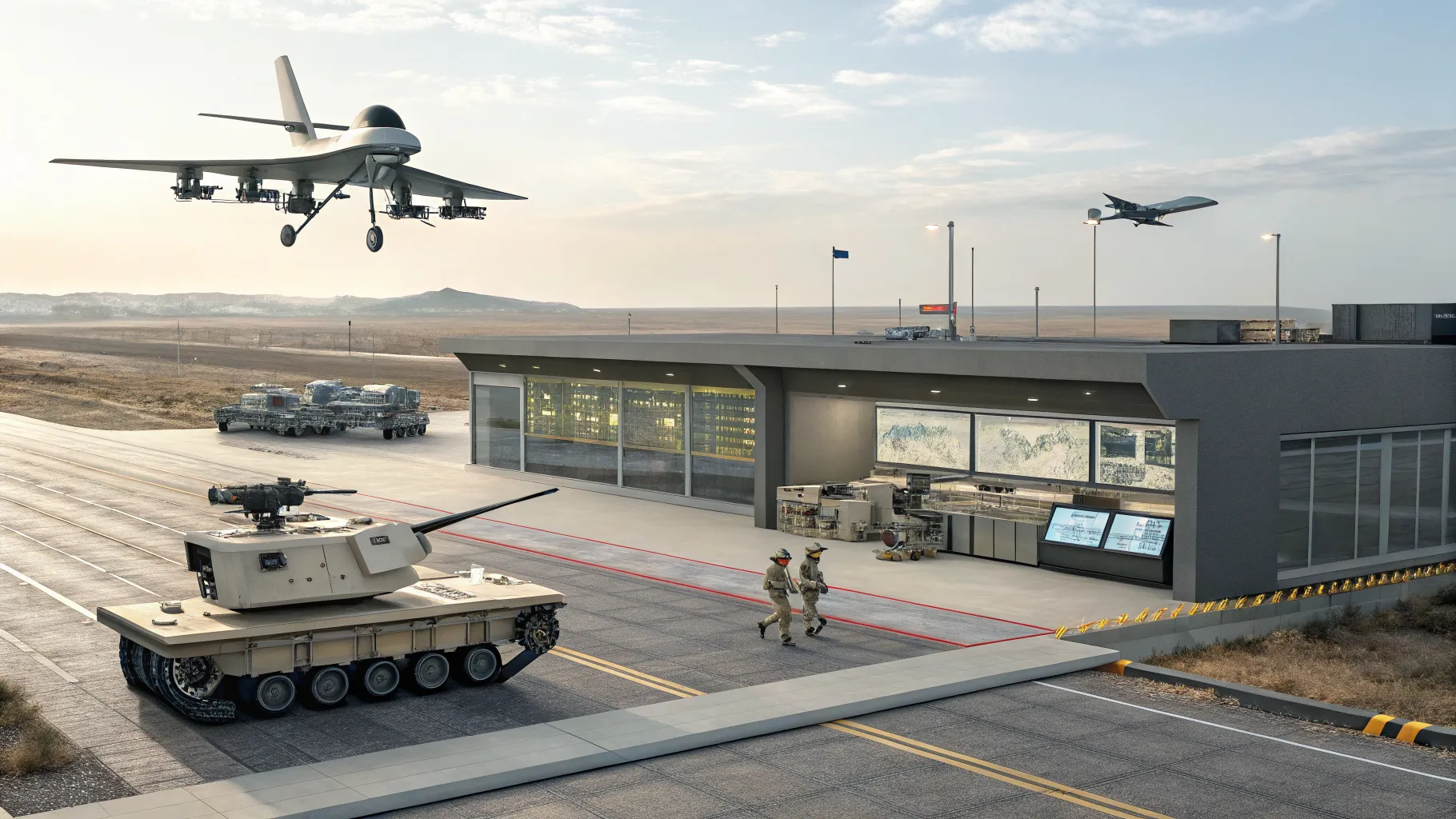
Senior officials say the goal is affordable mass. The “Replicator” initiative seeks to field thousands of autonomous systems across air, land, and sea in 18 to 24 months. Supporters say smaller, cheaper platforms can absorb losses while complicating an enemy’s defenses.
AI is also moving into command centers. Decision-support tools fuse satellite, radar, and open-source data to suggest options. Testing focuses on keeping a human “on” or “in” the loop for key choices, especially the use of force.
“It is scarily fascinating to read about the US military’s journey into AI warfare in this deeply-researched book. But what happens next,” asked Matthew Sparkes.
His question echoes a wider debate. Engineers highlight gains in speed, pattern recognition, and logistics. Ethicists and legal scholars warn about bias, data gaps, and accountability when machines shape life-and-death calls.
Risks: Error, Escalation, and Accountability
AI systems can fail in strange ways, especially outside their training data. In war, that can mean misidentifying targets, misreading intent, or misjudging context. Even small rates of error can have outsized effects at machine speeds.
There is also the risk of rapid escalation. If opposing systems react to each other faster than humans can intervene, an incident could spiral. Military lawyers stress the need for meaningful human control and careful testing.
- Testing against adversarial inputs and deception
- Transparent audit trails for decisions and data
- Clear rules for human approval on the use of force
- Fail-safe modes and graceful shutdowns
International talks on lethal autonomous weapons have struggled to reach binding rules. Some states push for limits or bans. Others prefer voluntary norms. The U.S. position has centered on safety, accountability, and compliance with the law of armed conflict.
Industry and Workforce: The Build-Out
Defense startups and major contractors are racing to supply models, data platforms, and uncrewed systems. The Defense Innovation Unit has expanded pilot programs to speed testing and fielding. Still, integration is hard. Military networks are fragmented. Classified data is siloed. Cyber risks are persistent.
The talent gap is real. Services need AI engineers, test evaluators, and operators who understand both code and mission. Training now includes AI literacy for commanders and analysts. The goal is to use tools wisely, not blindly.
What to Watch Next
The next 12 to 24 months will show whether promises become practice. Key signals include deliveries under Replicator, real-world performance in exercises, and updates to oversight policy. Independent test results and accident reporting will be essential for trust.
Allies are another factor. Shared standards for data, safety, and command authority will shape how coalition forces use AI together. Interoperability will matter as much as raw capability.
Sparkes’s question hangs over the field: what happens next depends on restraint, design, and doctrine as much as on code. Speed without control is risk. Testing without transparency is fragile. The balance between advantage and safety will define the outcome.
For now, the U.S. is moving fast, while trying to keep a human hand on the switch. The measure of success will be systems that help prevent mistakes, protect civilians, and avoid unwanted escalation. Watch for hard data from trials, clearer rules on human oversight, and whether industry can deliver safe, affordable mass at scale.

A seasoned technology executive with a proven record of developing and executing innovative strategies to scale high-growth SaaS platforms and enterprise solutions. As a hands-on CTO and systems architect, he combines technical excellence with visionary leadership to drive organizational success.