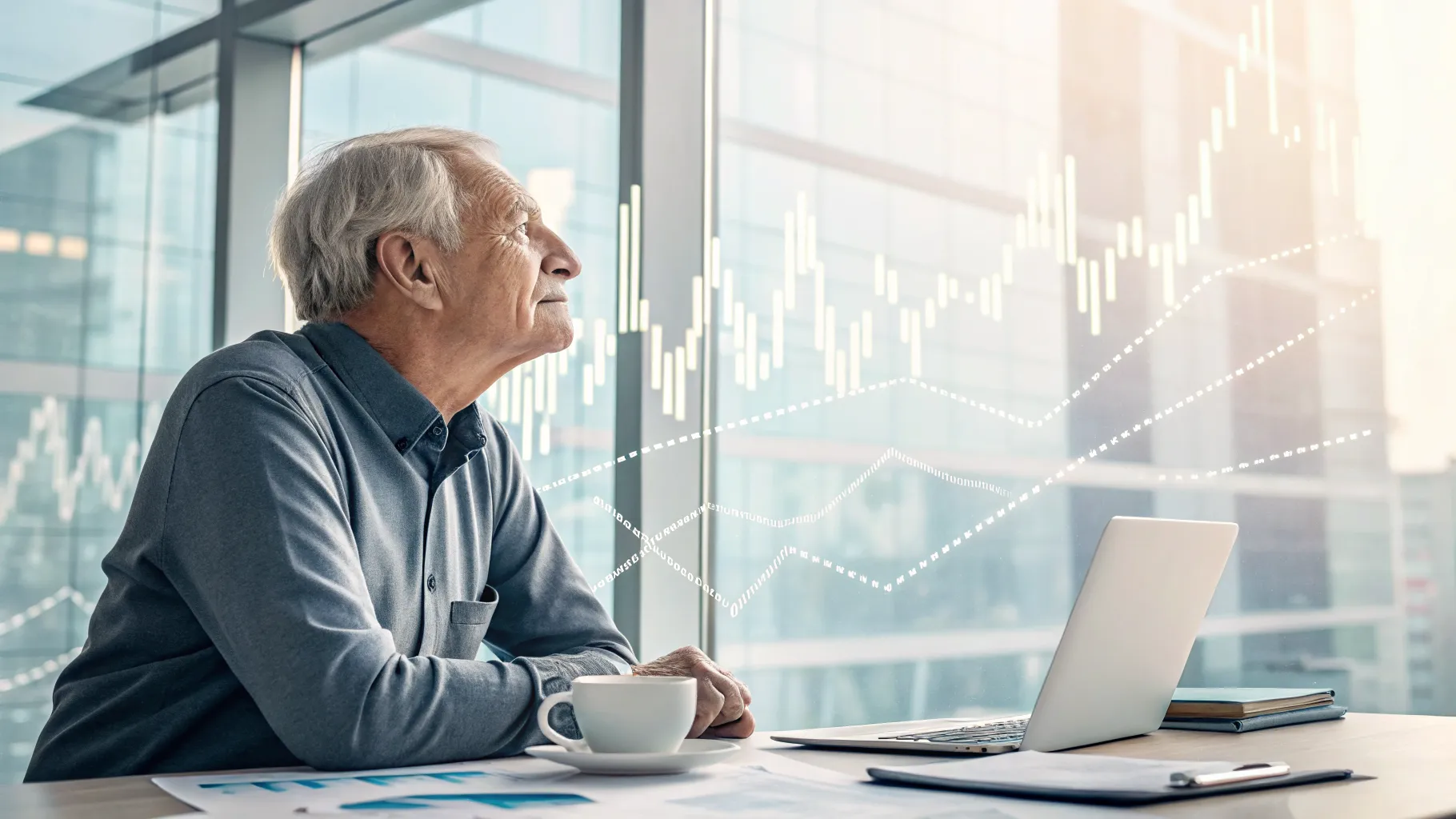
The S&P 500’s rise from double digits to 7,000 framed the career of Howard Silverblatt, a fixture on Wall Street who stepped down after decades tracking America’s flagship index. His parting observation highlights a market that expanded roughly 70-fold, reshaped by technology, policy shifts, and corporate consolidation. It is a marker for how far U.S. equities have come and a prompt to ask what drove the gains and what risks remain.
A Career Through Booms and Busts
Silverblatt began his work when the S&P 500 stood at 99.77 points. Near his retirement, it read 7,000. He used that span to capture the sweep of modern market history, from inflation scares and recessions to globalization and the digital economy. His work chronicled the index’s sector weights, dividend trends, and earnings cycles, giving investors a way to read the market’s pulse.
“When Howard Silverblatt first started working on Wall Street, the S&P 500 was at 99.77 points. The week before he retired, the benchmark index was up by 70 times that, to 7,000.”
The simple math in that remark tells a larger story. The index advanced through the 1980s expansion, the 1990s tech surge, the housing crash, and the pandemic shock. Each swing tested investor faith. Each recovery pulled in new capital and new leaders.
What Powered the Index Higher
Several forces helped push the S&P 500 from its early level to today’s mark. Real economic growth lifted sales and profits. Lower interest rates raised the value of future earnings. Share buybacks reduced share counts and boosted per-share figures. Global markets opened new demand for U.S. firms.
- Technology drove productivity and margins.
- Monetary easing supported higher equity valuations.
- Buybacks and dividends returned cash to investors.
- Global supply chains expanded market reach.
Policy also played a part. Tax changes affected corporate earnings. Banking rules influenced credit. Trade deals altered cost structures. These shifts filtered into index earnings and valuations, often with lags that tested patience.
The Changing Shape of the S&P 500
The composition of the index changed as the economy changed. Energy and industrials once set the tone. Software, chips, and cloud platforms later took the lead. A handful of giant firms now carry heavy weight, raising questions about concentration.
Index math amplifies winners. Market-cap weighting means the largest companies move the index most. This helped during long tech rallies. It also magnifies drawdowns when leaders stumble. The index still reflects a wide set of businesses, but leadership has narrowed at times.
Lessons From Long-Term Gains
The 70-fold rise does not mean a straight line. Drawdowns of 20% or more struck many times. Investors who stayed the course saw the benefit of time in the market. Timing the market proved hard to do. Compounding from reinvested dividends made a large difference over decades.
Inflation matters to these results. Part of the gain reflects higher prices in the economy. But real earnings growth and efficiency also lifted values. The index’s ability to adapt to new leaders helped it recover from shocks and reflect the next wave of growth.
What to Watch Next
Markets now face new tests. Higher rates, fiscal strains, and shifting supply chains shape the outlook. Artificial intelligence and automation may lift productivity but could also bring new volatility. Regulation of data, trade, and capital will set guardrails for profits.
For long-term investors, the core questions remain. Are earnings growing? Are margins stable? Is leadership too concentrated? The S&P 500’s history suggests that adaptability and discipline matter more than a single forecast.
Silverblatt’s career tracks that lesson. The numbers he cited frame decades of change, but they also show the value of steady measurement. His final comparison is a reminder to look past any one week and focus on design, breadth, and time. The next chapter will depend on how policy, profits, and innovation line up—and whether investors can stay patient when the cycle turns.

Kirstie a technology news reporter at DevX. She reports on emerging technologies and startups waiting to skyrocket.