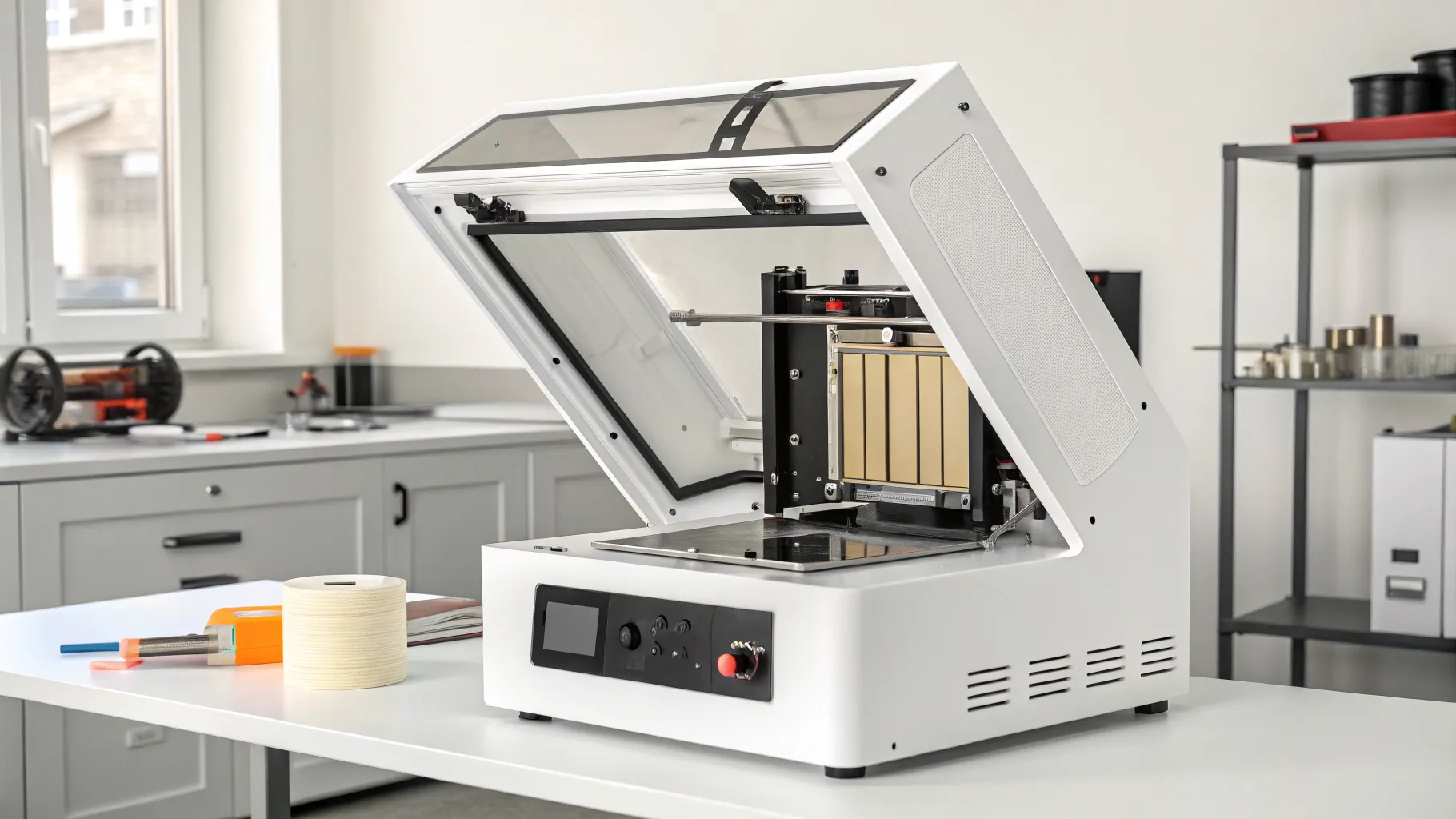
A new tool called VisiPrint aims to cut failed 3D prints by giving makers a precise, aesthetics-first preview before pressing start on the printer. The software arrives as hobbyists, educators, and small businesses look for ways to save time, reduce frustration, and trim material waste at the workbench and in small labs.
According to its developers, the tool focuses on how an object will look once printed. It promises a high-fidelity rendering that mirrors surface finish, color, and visual detail. The goal is simple: fewer reprints due to unexpected visual flaws.
The VisiPrint tool generates an accurate, aesthetics-first preview of how an object will look before it is 3D printed, in an effort to help makers avoid reprints that waste time, effort, and material.
Why Visual Accuracy Matters
3D printing often involves trial and error. Small design tweaks, slicer settings, and filament choice can all change the final look. Many users discover issues only after a multi-hour job finishes. That can mean scrapping a part for color banding, unexpected sheen, or layer artifacts.
Tools that preview structural issues exist, but they seldom capture visual finish well. An aesthetics-first preview attempts to bridge that gap by simulating how the final object appears under typical lighting with realistic textures. This can help users spot problems early, like visible layer lines on curved surfaces or mismatched color tones across components.
How It Could Change Workflows
For makers, the promise is fewer “print-and-see” cycles. A visual check before printing may reduce the need to prototype a cosmetic part multiple times. That could be important for display models, enclosures, props, and teaching aids where final appearance drives acceptance.
Small studios and classrooms face tight budgets. Filament and resin waste add up, and failed prints tie up machines. If a preview flags likely cosmetic issues, teams can adjust layer height, print orientation, or filament type before committing to a long job.
Potential Benefits and Trade-Offs
- Reduced waste and cost: Fewer reprints mean less filament or resin used.
- Time savings: Users spend less time troubleshooting visual flaws.
- Better client approvals: Clear previews can support sign-offs before printing.
- Learning curve: Users still need to interpret previews and adjust settings.
- Scope limits: Visual accuracy may not reflect mechanical strength.
While the focus on looks is practical for many projects, it does not replace checks for strength or fit. Makers will still need to test tolerances, thermal performance, and load where needed. A visual-first tool complements, rather than replaces, existing verification steps.
Adoption Questions for the Community
Key questions remain as users consider integrating a new preview step. Will the tool work across filaments with different pigments and finishes? Can it account for orientation-driven artifacts like stair-stepping on shallow curves? Will it reflect common post-processing steps such as sanding or clear-coating?
Integration also matters. Many rely on established slicers and design platforms. Smooth import and export, color profiles, and material presets could determine how widely a tool like VisiPrint is used in day-to-day work.
Industry Context and Next Steps
The release aligns with a broader push to lower the cost of iteration in desktop manufacturing. As printers improve speed and reliability, attention shifts to the design-to-print handoff. Accurate previews, both structural and visual, are now seen as part of that pipeline.
For educators, visual previews can reinforce lessons about print orientation, surface quality, and settings. For small shops, they can support faster client reviews and reduce disputes over finished looks.
What to Watch
Early user feedback will likely focus on how closely VisiPrint’s previews match real parts across materials and printers. Makers will watch for:
- Material libraries that reflect popular filaments and resins.
- Lighting controls to preview looks in different environments.
- Support for multi-color and multi-material prints.
- Profiles tied to common printers and nozzles.
VisiPrint’s pitch is clear: get the look right before the first layer. If the previews prove accurate in real workshops and classrooms, users may see fewer late-night reprints and cleaner shelves of finished parts. The next few months will show whether an aesthetics-first approach becomes a standard step in 3D printing workflows.

Deanna Ritchie is a managing editor at DevX. She has a degree in English Literature. She has written 2000+ articles on getting out of debt and mastering your finances. She has edited over 60,000 articles in her life. She has a passion for helping writers inspire others through their words. Deanna has also been an editor at Entrepreneur Magazine and ReadWrite.