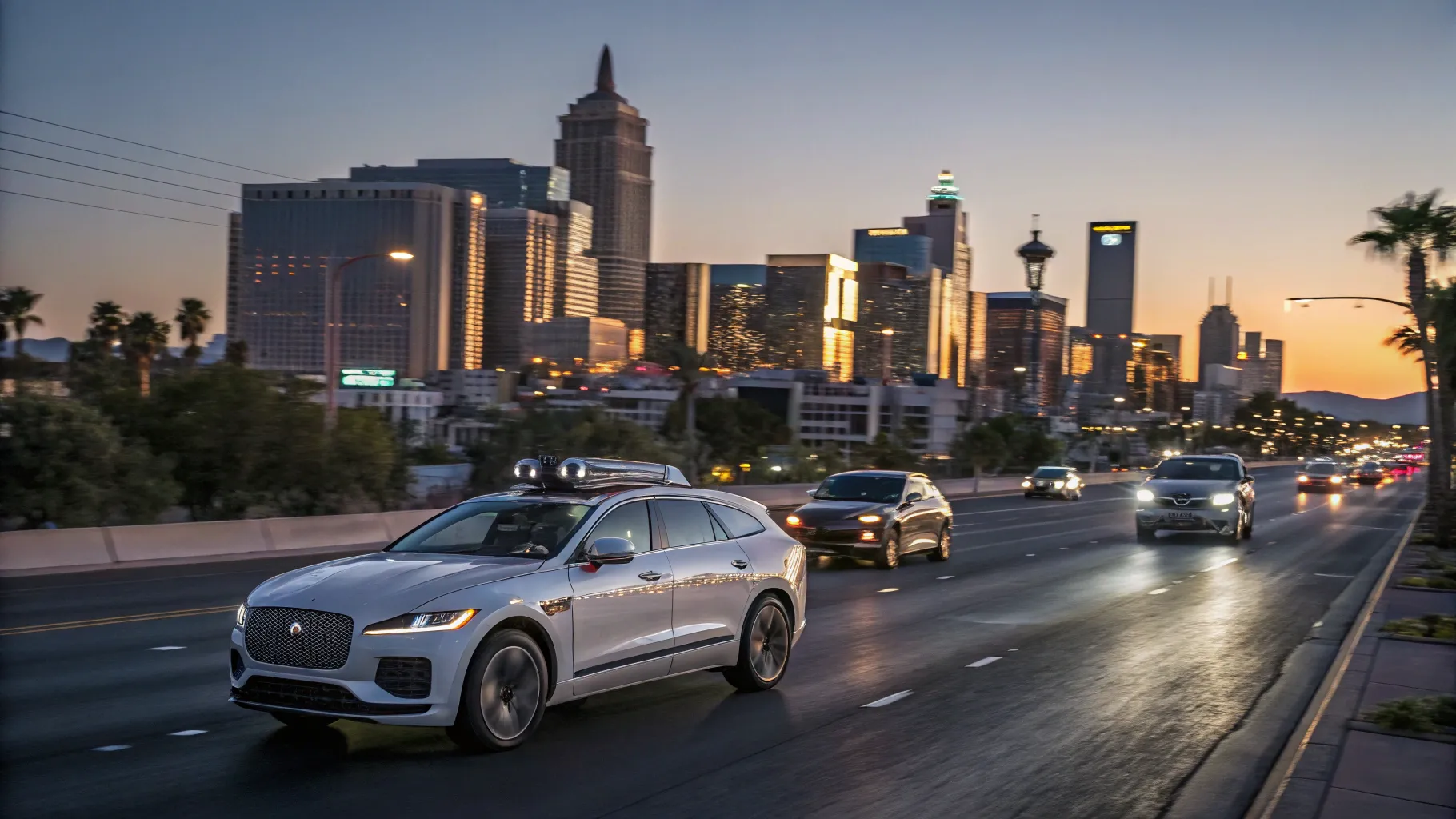
Waymo is preparing to expand its self-driving ride-hailing service to three new cities, signaling an aggressive push to grow its robotaxi network. The company is eyeing Detroit, Las Vegas, and San Diego as its next markets, according to people familiar with the planning and a brief statement shared by supporters of the move. The timing hinges on local permits, safety reviews, and mapping work.
The plan comes as Waymo continues paid operations in Phoenix and San Francisco and rolls out broader service in Los Angeles. Adding three very different urban areas could test public interest, tourism demand, and weather readiness, while also drawing scrutiny from regulators and labor groups.
What’s Next For The Robotaxi Service
“Detroit, Las Vegas, and San Diego are next on Waymo’s robotaxi tick list.”
Company representatives did not provide a launch date, but the direction is clear. Detroit offers an auto industry hub and extreme winter conditions. Las Vegas brings a high volume of tourist trips and large events. San Diego presents complex coastal traffic and military-adjacent corridors, along with a large commuter base.
Waymo has expanded city by city, starting with suburban Phoenix and later entering dense San Francisco streets. Los Angeles pilots broadened into more neighborhoods in 2024 following California approvals. Each new market requires detailed mapping, emergency response planning, and work with city agencies.
Regulatory And Safety Hurdles
California regulators gave Waymo the green light to expand paid rides in parts of San Francisco and Los Angeles in 2024, after multi-agency reviews. That decision came as rival Cruise paused service nationwide in late 2023 following a serious incident. The contrasting paths put extra attention on safety records, remote assistance procedures, and vehicle response to road closures and first responders.
Detroit and Las Vegas have different oversight systems than California. Las Vegas has welcomed automation pilots on and off the Strip, but large events can stress traffic systems. Detroit’s winter conditions, including snow and ice, pose a harder technical test than coastal California. San Diego’s mix of freeways, dense neighborhoods, and frequent work zones will also challenge perception and routing.
Why These Cities Matter
- Detroit: Auto capital with local engineering talent and severe weather for testing.
- Las Vegas: Tourism-driven demand with predictable corridors and large events.
- San Diego: Year-round travel, major commuter routes, and varied street types.
These markets could broaden Waymo’s data across climates and trip types. They also offer different business cases. Vegas trips often start and end at conventions, hotels, and stadiums. Detroit brings worker commutes and airport links. San Diego mixes college, military, and cross-city leisure travel.
Public Sentiment And Labor Concerns
Public opinion remains divided. Riders who have used driverless services often cite consistent speeds and cautious driving. Critics worry about rare but serious failures, traffic disruptions, and interactions with emergency crews. City leaders usually ask for clear reporting, response times, and channels for complaints.
Labor groups say driverless fleets could reduce paid driving jobs. Waymo has argued that new roles in fleet operations, remote assistance, and maintenance will offset some losses. The pace of change varies by city and service area size.
Performance, Data, And Accountability
Waymo reports large volumes of test and commercial miles across its network, with frequent software updates. The company publishes safety case materials and disengagement data where required. Analysts say city-by-city rollout allows gradual tuning but also creates patchwork availability and confusion about service boundaries.
Experts expect Detroit, Las Vegas, and San Diego to reveal how well the vehicles handle:
- Special events and detours.
- Adverse weather and low-visibility conditions.
- Complex curb pickups near hotels, arenas, and airports.
Local agencies will likely demand clear incident reporting, faster roadside support, and better communication with first responders.
Competition And Market Outlook
Waymo’s route expansion comes as other firms rethink timelines. After setbacks, competitors are restarting limited testing or focusing on freight and shuttles. Some automakers are integrating advanced driver assistance, while keeping distance from full driverless rides for now.
If Waymo secures permits and maintains strong safety performance, the three-city push could make paid robotaxi service more common. If setbacks occur, regulators may slow approvals or restrict hours and zones.
The next announcements to watch will be permit filings, service maps, and operational hours in each city. Clear performance data and transparent incident reports will shape public trust. For now, the message is direct: Waymo’s map is growing, and Detroit, Las Vegas, and San Diego are on deck.

Senior Software Engineer with a passion for building practical, user-centric applications. He specializes in full-stack development with a strong focus on crafting elegant, performant interfaces and scalable backend solutions. With experience leading teams and delivering robust, end-to-end products, he thrives on solving complex problems through clean and efficient code.