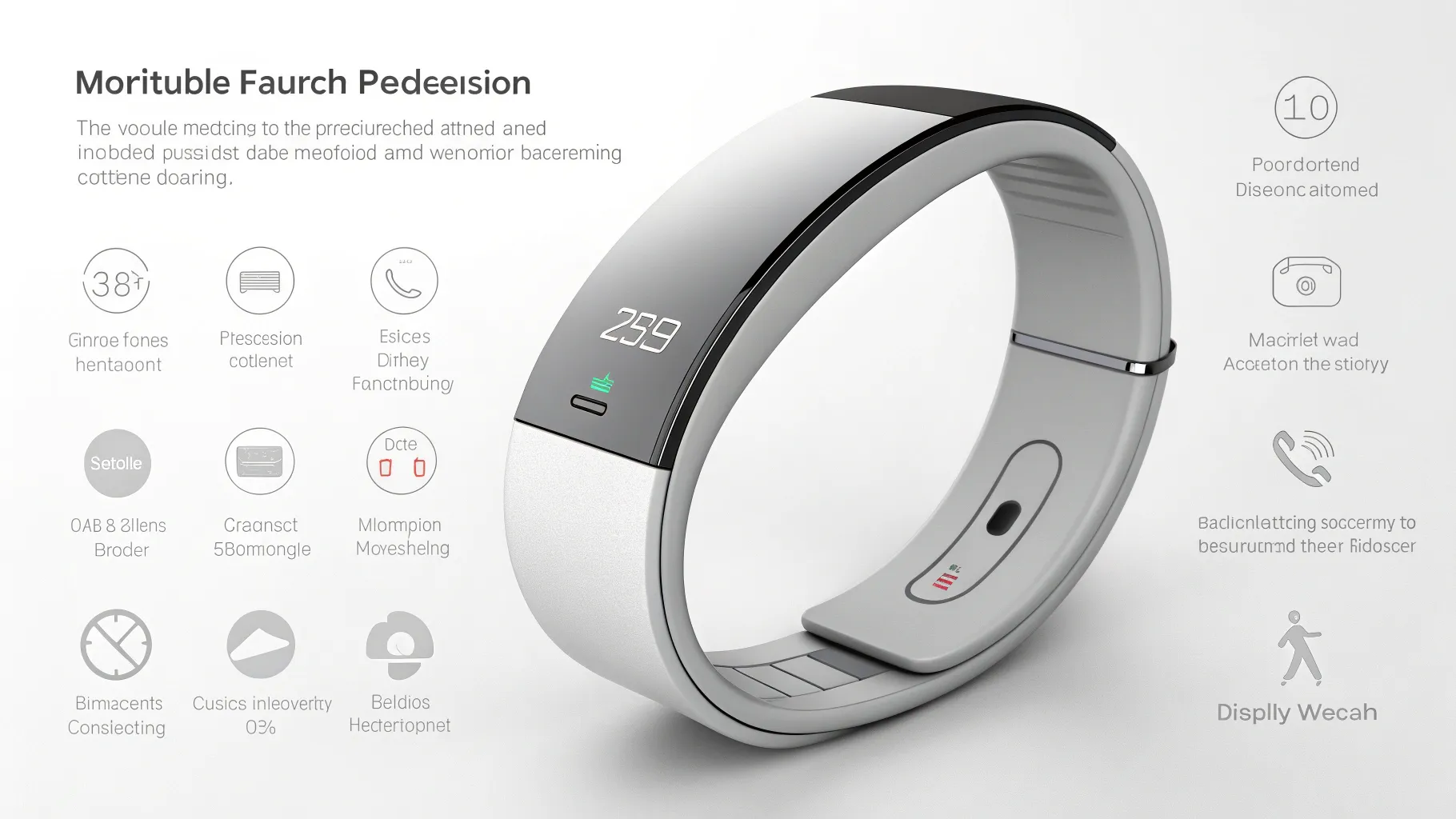
A new wearable device could arrive as early as 2027, according to a recent report that hints at a long development runway. The claim signals that planning is underway, even if final decisions remain uncertain. The projected window puts the device several product cycles away, suggesting a complex build and careful market timing.
The core takeaway is simple: a wearable is being considered, and 2027 is an early target. The report stops short of naming a maker, a price, or features. Still, timing alone offers clues about strategy and the state of the category.
What the Report Says
“Should this wearable materialize, it could be released as early as 2027,” the report states.
The language leaves ample room for change. “Should this wearable materialize” signals the project may still be in flux. “As early as 2027” suggests 2027 is not fixed and could slip or shift, which is common for hardware programs.
Why 2027 Matters
Four years is a long horizon in consumer tech. Product teams often need that time for sensors, chips, software, and supplier deals. Health and fitness features can add regulatory steps that stretch timelines.
Recent history offers a guide. Smartwatches matured from step counters to health monitors over multiple generations. Earbuds grew from simple audio devices to assistants with voice control and noise reduction. A 2027 launch would likely target similar advances: better battery life, smarter features, and tighter links to phones and homes.
State of the Wearables Market
Wearables have settled into key categories: watches, rings, bands, earbuds, and glasses. Watches lead on health and notifications. Rings have gained attention for sleep tracking and discreet design. Glasses are inching forward with displays and camera use cases, though mass adoption remains early.
Demand often tracks three factors: accuracy, comfort, and price. Battery life remains a hurdle, especially for small devices. Data privacy is another concern, as wearables gather personal metrics and location data.
- Health tracking drives repeat use and upgrades.
- Battery life and comfort shape daily adoption.
- Clear value over phones decides long-term traction.
Reading the Timeline
Targets like 2027 usually appear when a program reaches key milestones. That can include early prototypes, supplier talks, or software roadmaps. But many projects are cut or re-scoped before launch.
Sourcing parts at scale and meeting quality goals are frequent choke points. Global supply chains have improved since 2021, yet specialty sensors and custom chips still face tight capacity. Any device promising new health metrics could need clinical validation or regulatory review.
What It Could Mean for Consumers
If a 2027 release holds, consumers can expect a device shaped by lessons from current wearables. That could mean more accurate sleep and stress metrics, safer materials, and better water resistance. It could also signal deeper integration with services like telehealth, coaching, or insurance rewards.
Design will be central. Devices that look and feel good earn daily use. Comfort and style often matter as much as features.
Industry Impact and Competition
A new entrant, or a major update from an existing player, would push rivals to respond. That could accelerate improvements in battery chemistry, low-power chips, and on-device AI models that process data without sending it to the cloud.
Partnerships may grow more important. Health providers, fitness brands, and streaming platforms often bundle services with hardware. By 2027, that bundling could decide who wins repeat buyers.
Skepticism and Signals to Watch
Hardware timelines slip. The cautious phrasing in the report reflects that risk. Without specs or a brand name, the safest read is that the device is under active study, not locked.
Signals that the plan is advancing could include hiring for wearable engineers, supplier agreements, regulatory filings, or software developer kits that hint at new sensors. Outward signs, like partnerships with health studies, can also mark progress.
The Bottom Line
The 2027 target places this wearable on a long path, where design, sensors, and supply chains must align. If it lands, it would arrive in a crowded market that prizes accuracy, comfort, and privacy. Consumers should watch for concrete details on features, battery life, and data protections.
For now, the most accurate reading is cautious optimism. The idea is on the table. The date is possible. The next few years will show whether the device moves from plan to product.

Deanna Ritchie is a managing editor at DevX. She has a degree in English Literature. She has written 2000+ articles on getting out of debt and mastering your finances. She has edited over 60,000 articles in her life. She has a passion for helping writers inspire others through their words. Deanna has also been an editor at Entrepreneur Magazine and ReadWrite.