A new study reveals that wearable mobile health technology could help people with type 2 diabetes (T2D) adhere to exercise regimens that aid in managing the condition. Researchers analyzed the behavior of recently diagnosed T2D patients in Canada and the UK, some of whom wore a smartwatch paired with a health app on their smartphones. The MOTIVATE-T2D study successfully recruited 125 participants, achieving an 82% retention rate after 12 months.
Participants were more likely to start and maintain purposeful exercise with the support of wearable technology. The researchers published their findings, highlighting a range of potential clinical benefits for participants, including improvements in blood sugar and systolic blood pressure. Co-author Dr.
Katie Hesketh from the University of Birmingham commented, “Our findings support the feasibility of the MOTIVATE-T2D intervention, paving the way for a full-scale randomized controlled trial to further investigate its clinical and cost-effectiveness.
Wearable tech aids diabetes exercise
We found that using biometrics from wearable technologies offered great promise for encouraging people with newly diagnosed T2D to maintain a home-delivered, personalized exercise program with all the associated health benefits.”
The program also reported improvements in cholesterol levels and quality of life.
Participants aimed to gradually increase purposeful exercise to moderate-to-vigorous intensity, targeting 150 minutes per week by the end of six months. They were supported by an exercise specialist-led behavioral counseling service delivered virtually. MOTIVATE-T2D used biofeedback and data sharing to support the development of personalized physical activity programs.
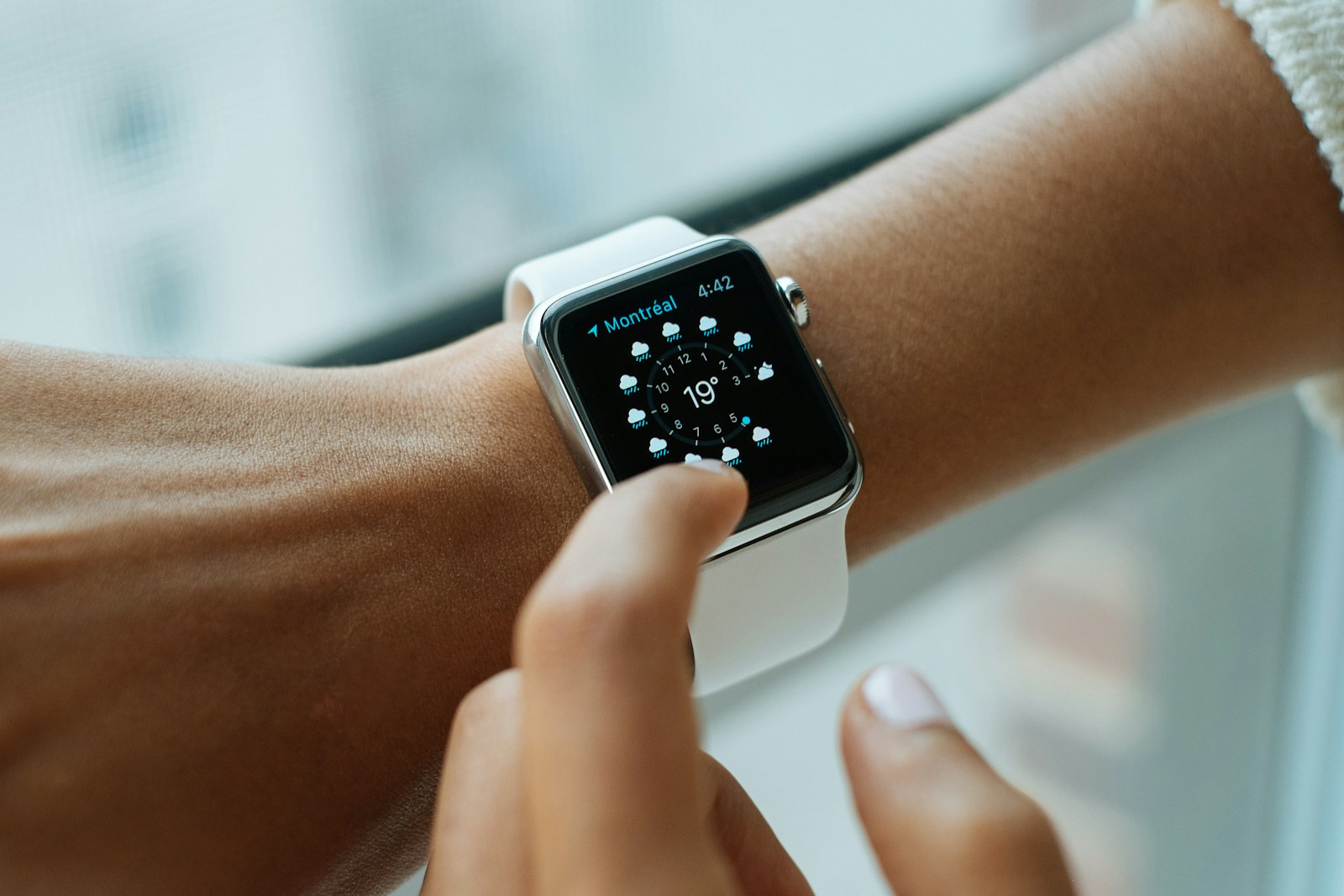
Wearable technologies included a smartwatch with a 3D accelerometer and optical heart rate monitor, synced with an online coaching platform for exercise specialists and a web/smartphone app for participants. The program offered a variety of workouts, including cardio, that could be done without the need for a gym,” added Dr. Hesketh. Its goal is to make exercise a sustainable part of daily life for people with type 2 diabetes, ultimately improving their physical and mental health.”
The feasibility trial recruited participants aged 40-75 years, diagnosed with T2D within the previous five to 24 months, and managing their condition through lifestyle modification alone or with Metformin.
Image Credits: Photo by Luke Chesser on Unsplash

Cameron is a highly regarded contributor in the rapidly evolving fields of artificial intelligence (AI) and machine learning. His articles delve into the theoretical underpinnings of AI, the practical applications of machine learning across industries, ethical considerations of autonomous systems, and the societal impacts of these disruptive technologies.