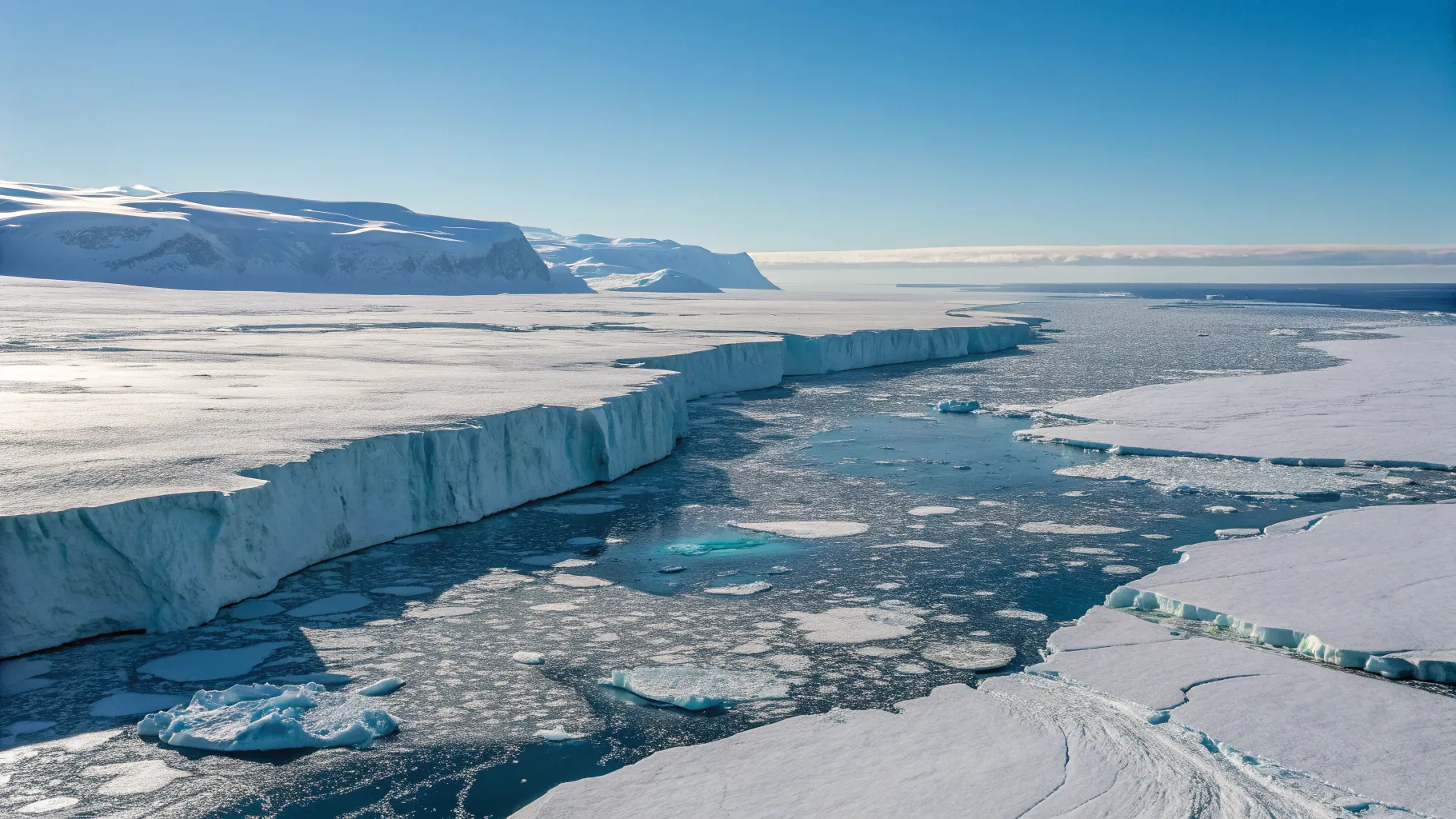
The fate of the West Antarctic Ice Sheet is once again in focus as scientists warn it contains enough frozen water to raise global seas by about five meters. The core question is not whether the ice can add to sea levels, but when and how fast that rise will occur. Fresh studies and fieldwork across the Amundsen Sea region, home to Thwaites and Pine Island glaciers, offer clues and contradictions that carry high stakes for coastal cities worldwide.
“The uniquely vulnerable West Antarctic Ice Sheet holds enough water to raise global sea levels by 5 meters. But when that will happen—and how fast—is anything but settled.”
Researchers agree that warming oceans are eroding ice shelves that act like brakes on inland ice. Yet estimates of timing range from centuries to longer, with low-probability, high-impact outcomes also on the table for this century under high emissions.
Why West Antarctica Matters
West Antarctica sits on bedrock that dips below sea level. This layout makes it prone to a process called marine ice sheet instability. When ice shelves thin, grounded ice at the coast can retreat into deeper basins, which can speed up loss. That geometry is a key reason scientists call the region uniquely vulnerable.
Over recent decades, satellites have recorded rapid thinning of Thwaites and Pine Island glaciers. The “Doomsday Glacier,” as Thwaites is sometimes known, has lost ice-shelf strength from rifts and warm water intrusion. Studies show its grounding line has moved inland in places, and ice flow has accelerated.
Antarctica’s total contribution to sea level rise remains smaller than that of thermal expansion and Greenland, but the trend is rising. The Intergovernmental Panel on Climate Change reports a wide range of outcomes by 2100, with Antarctic uncertainty a major factor in the high end of projections.
What Scientists Agree On—and What They Do Not
There is common ground on several points. Ocean heat is the main driver near West Antarctica. Circumpolar Deep Water, a relatively warm current, can reach ice shelf cavities and melt ice from below. Loss of buttressing then allows inland ice to speed up.
- West Antarctica has enough ice for roughly five meters of long-term sea level rise.
- Warm ocean water is thinning key ice shelves.
- Observed retreat is uneven, with hot spots in the Amundsen Sea sector.
But disagreements arise on the pace and thresholds. Some models suggest slow, centuries-long retreat if emissions fall and oceans cool later this century. Others show faster loss if ice cliffs fail or if iceberg calving increases as shelves weaken. These processes are hard to simulate and lead to a wide spread in forecasts.
Inside the Models: The Source of Uncertainty
Forecasts hinge on how ice, ocean, and atmosphere interact at small scales. Melt rates under ice shelves depend on ocean mixing, winds, and sea-ice cover. Calving is influenced by fractures and crevasses that are difficult to measure. Bedrock shape and sediment also matter, because friction controls how quickly ice can slide.
Researchers test different “what if” cases. Some include ice cliff collapse physics, which can trigger rapid loss in simulations. Others take a more conservative view. The result is a spread in timing: from gradual multi-century rise to scenarios where parts of West Antarctica tip into faster retreat within decades under high warming.
Risk for Coasts and What to Watch
Even modest Antarctic contributions add to rising seas from other sources. By mid-century, many cities plan for 20 to 30 centimeters of global rise, with local factors on top. A faster West Antarctic pulse would push those plans to the limit, affecting storm surge, nuisance flooding, and infrastructure.
Experts say the key signals to monitor include:
- Thinning rates on the Thwaites and Pine Island ice shelves.
- Grounding line retreat mapped by radar and satellites.
- Intrusions of warm deep water into shelf cavities.
- Trends in winds that steer ocean heat toward the continent.
Field campaigns that place instruments beneath ice shelves are sharpening estimates, but long winters, sea ice, and remoteness limit data. New satellite missions and autonomous vehicles may close gaps in the next few years.
Policy Choices and the Long View
Mitigation can reduce the odds of extreme outcomes by limiting ocean heat over time. Adaptation—higher seawalls, wetlands restoration, and building codes—can lower exposure to today’s rise and tomorrow’s risks. Insurance and finance sectors are already pricing in higher seas, shifting investment away from low-lying areas.
Scientists stress that long-term rise from West Antarctica, if set in motion, would be hard to stop on human timescales. That prospect adds weight to near-term cuts in greenhouse gases, which shape warming later this century and the next.
The latest work presents a clear message and a caution. West Antarctica holds the capacity for large sea level rise, but the timing remains unsettled. The coming decade of ocean and ice observations, paired with better models, should narrow the range. Communities will need flexible plans that can adjust if retreat speeds up faster than expected.

Kirstie a technology news reporter at DevX. She reports on emerging technologies and startups waiting to skyrocket.