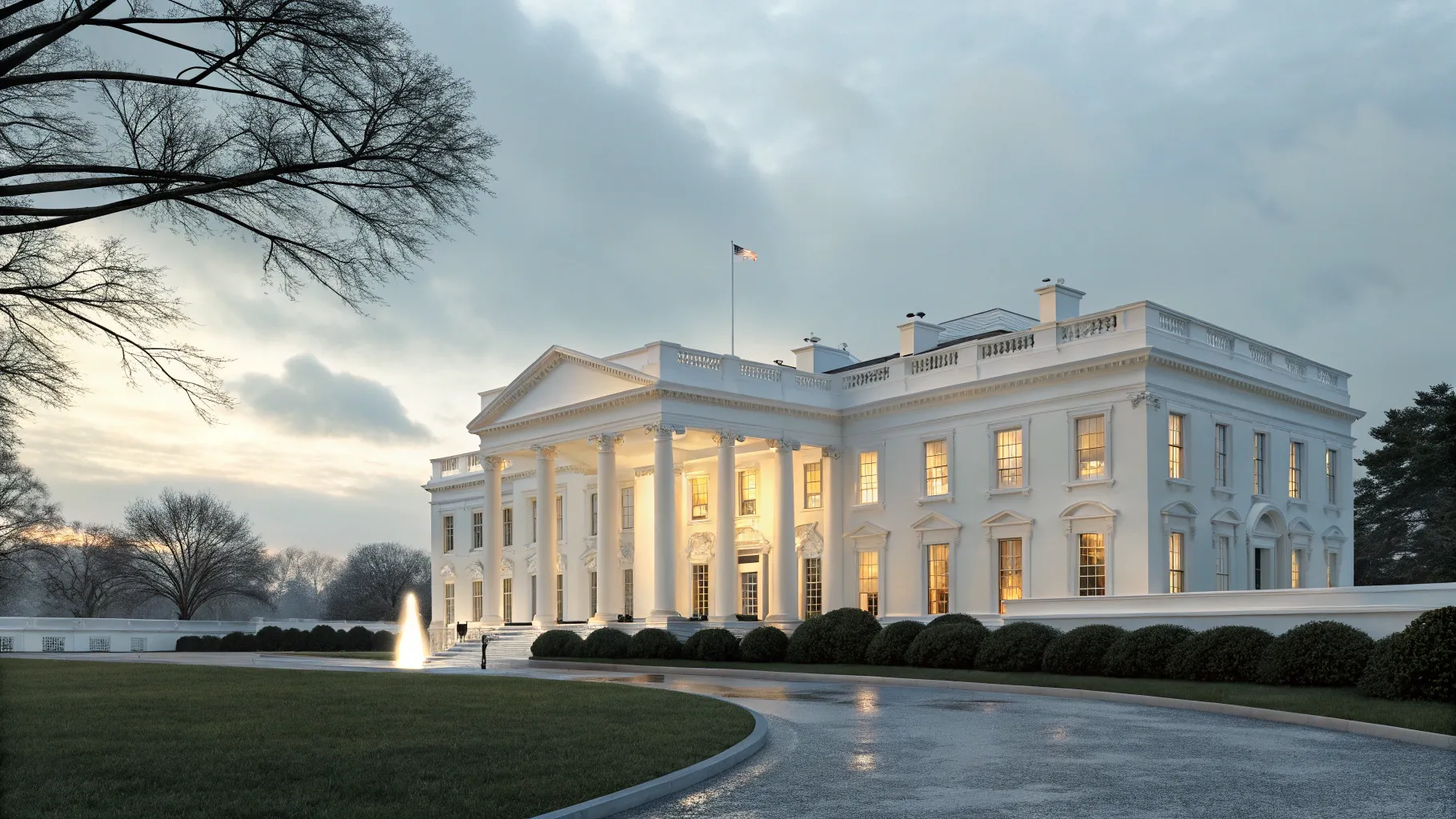
Michael Kratsios, the White House science and technology advisor under President Trump, set out a plan to recruit artificial intelligence specialists into government, aiming to keep the United States ahead in the race for advanced computing. Speaking on national television, he framed hiring as the key to faster adoption of AI across federal agencies and the broader economy.
Trump science and technology advisor Michael Kratsios joins ‘Fox News Live’ to discuss the administration’s AI hiring strategy and its goal of making the U.S. a global leader in the technology.
The plan centers on building teams that can modernize services, strengthen national security, and guide standards. It comes as agencies struggle to compete with private-sector pay and as global rivals invest heavily in AI research. The discussion highlighted urgency, arguing that skilled people are the bottleneck for real progress.
Background: From Strategy to Staffing
Washington has pushed AI policy for years. The American AI Initiative launched in 2019 set research as a national priority. It directed agencies to support open data, coordinate standards through the National Institute of Standards and Technology, and remove hurdles to AI R&D. The Office of Management and Budget later issued guidance encouraging risk-based, light-touch approaches for private-sector AI and better use of AI in government.
Those efforts created direction, but many programs stalled without enough engineers, data scientists, and product managers. Private firms offered higher pay and faster hiring. Agencies often lacked modern tools, which made recruitment even harder. Kratsios argued that closing this skills gap is now the most important step.
A Federal Push to Recruit AI Talent
Officials are weighing several tactics to bring in specialists and keep them:
- Use special hiring authorities to reduce time-to-hire for technical roles.
- Expand fellowships like the U.S. Digital Service and Presidential Innovation Fellows.
- Offer term-limited, mission-driven roles to attract senior industry experts.
- Reskill existing staff through focused AI training and apprenticeships.
- Create interagency talent pools so teams can surge to high-impact projects.
Supporters say these steps could speed up delivery of services, from benefits processing to infrastructure planning. They also see gains for defense and cybersecurity, where AI can detect threats faster and analyze complex signals.
Ethics, Oversight, and the Pay Gap
Bringing in more AI expertise raises questions about guardrails. Civil society groups want stronger rules on transparency, bias testing, and data use. They also push for clear channels for the public to challenge automated decisions. Career officials warn that strong governance is needed before wide deployment.
Another challenge is compensation. Tech salaries in government lag far behind big companies. Advocates of the new strategy point to nonpay benefits: clear missions, national impact, and public service. They also suggest targeted incentives, better tools, and flexible work to narrow the gap.
Global Competition Heats Up
The United States faces rivals with aggressive plans. China has poured major funding into AI research, chips, and training. The European Union has focused on regulation, with rules to manage risk in high-stakes systems. Kratsios has long favored support for innovation and standards, paired with limited new rules.
Analysts say a strong hiring push could help the United States keep its lead in research, defense tech, and trusted standards. It could also strengthen alliances if U.S. agencies help set practical testing methods that others adopt.
What Success Would Look Like
Experts describe three near-term signs of progress. First, faster hiring cycles for AI roles across agencies. Second, measurable pilots in areas like fraud detection, supply chains, and wildfire response. Third, clear governance frameworks that require testing, human oversight, and public reporting.
If those pieces come together, agencies could deliver services faster and with fewer errors. Industry could benefit from consistent standards and stronger public-sector demand for safe tools. Universities could see more grants tied to real-world deployments.
Kratsios’s focus on people signals a shift from strategy papers to execution. The next test will be funding levels, the speed of new hiring authorities, and how well agencies balance speed with safeguards. Watch for expanded fellowships, streamlined hiring portals, and standard-setting work with NIST as early indicators of momentum.

Deanna Ritchie is a managing editor at DevX. She has a degree in English Literature. She has written 2000+ articles on getting out of debt and mastering your finances. She has edited over 60,000 articles in her life. She has a passion for helping writers inspire others through their words. Deanna has also been an editor at Entrepreneur Magazine and ReadWrite.